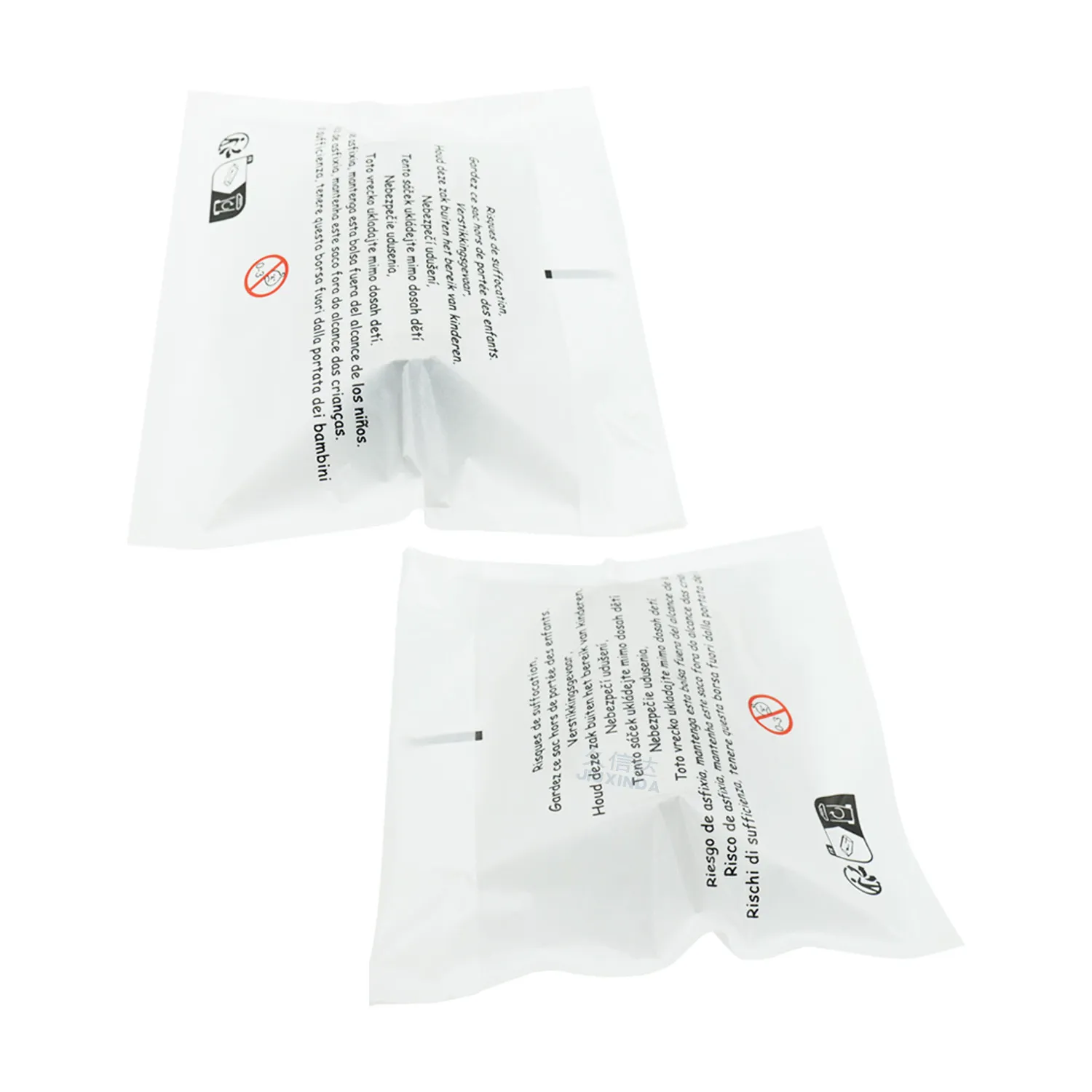

Biodegradable plastic bags have become mainstream packaging solutions for modern brands looking to comply with global green policies, enhance corporate sustainability credentials, and meet consumer eco-friendly expectations. Unlike generic packaging options, custom biodegradable plastic bags require targeted technical communication, standardized design input, and reliable factory execution. Most B2B procurement issues, including inaccurate finished products, compromised degradation performance, inconsistent batch quality, and delayed shipments, stem from unsystematic custom workflows. From a practical buyer’s perspective, this article breaks down four indispensable sourcing tips for custom biodegradable packaging bags.
Essential Information to Prepare Before Custom Packaging Production
Clear and complete demand briefing is the foundation of one-time successful customization. Many buyers waste time on repeated sample revisions precisely because of vague parameters and incomplete brand files. Biodegradable packaging has unique material characteristics, which means ambiguous requirements will directly lead to unqualified finished products that fail to match market standards or product application scenarios.
Before launching custom orders, buyers need to sort out four key types of information for suppliers. First, confirm practical packaging specifications, including exact bag dimensions, thickness, load-bearing requirements, and functional needs such as waterproofing, dustproofing, or anti-tear performance based on packaged goods and transit conditions. Second, clarify target market compliance standards, defining whether industrial compostable or home compostable grades are required to fit local import regulations. Third, organize complete brand assets, including high-definition vector logos, standard color codes, fixed print text, warning labels, and layout preferences. Fourth, confirm order volume and phased delivery plans. Comprehensive pre-order information eliminates communication deviations and helps manufacturers deliver accurate, fully compliant biodegradable packaging solutions.
Key Customization Notes to Protect Function and Degradability
A common procurement mistake is applying traditional plastic packaging customization logic to biodegradable materials. PLA and PBAT-based biodegradable plastics have delicate molecular structures, and excessive or improper customization can easily damage their core eco-friendly performance, resulting in pseudo-degradable packaging and potential greenwashing risks.
Buyers need to follow targeted customization principles for biodegradable packaging. Avoid over-saturated multi-layer printing and full-coverage coating, as thick ink and chemical layers will block natural decomposition and leave residual substances. Refine structural design according to material tolerance; avoid ultra-thin designs for heavy goods or oversized openings that affect sealing stability. Only adopt eco-friendly printing inks and auxiliary adhesives that match biodegradable standards to ensure the entire bag can decompose completely. In addition, keep the layout concise and hierarchical. Overly complex decorations not only increase production costs but also reduce the overall durability of biodegradable bags. Balancing brand display, practical functionality, and eco-performance is the core of qualified customization.
Batch Consistency Control for Long-Term Brand Standardization
For continuous brand operation, the biggest hidden risk in bulk procurement is unstable batch quality. Many buyers encounter inconsistent color tones, uneven film thickness, different transparency, and fluctuating degradation effects between new and old batches. These subtle differences disrupt unified brand packaging imagery and weaken consumer trust in brand professionalism and sustainability.
When auditing suppliers, buyers should prioritize manufacturers with standardized batch management systems. Reliable factories lock fixed raw material blending ratios, stable film-blowing parameters, and unified printing standards for long-term custom orders. Every batch will undergo strict sampling inspection for tensile strength, sealing tightness, printing accuracy, and degradation performance. Fixed production parameters and complete quality inspection processes ensure zero batch deviation. Consistent packaging quality not only maintains unified brand presentation across all sales channels but also guarantees stable eco-friendly performance for every shipment, avoiding compliance risks for cross-border sales.
Reasonable Lead Time Arrangement to Avoid Supply Chain Disruptions
Custom biodegradable packaging involves more complex production procedures than ordinary plastic bags, including dedicated material blending, eco-friendly printing processing, and stricter quality testing. Unreasonable time planning often leads to delayed deliveries, which disrupt brand restock schedules, seasonal promotions, and new product launch plans.
Professional buyers will confirm the full production cycle in advance, covering sample confirmation, mass production, quality inspection, and final logistics arrangement. It is necessary to reserve sufficient buffer time for minor design adjustments and unexpected production fluctuations. Buyers should also verify suppliers’ raw material reserve capacity and peak-season production scheduling capabilities to avoid production suspension caused by material shortages. Reliable manufacturers provide real-time order progress updates and flexible emergency delivery solutions for urgent orders. Scientific lead time management ensures continuous and stable packaging supply, keeping brands’ market sales and shipping rhythms unaffected.
Conclusion
Sourcing custom biodegradable plastic bags for packaging is a systematic procurement process that requires standardized information preparation, reasonable customization restraint, strict batch quality control, and reliable delivery management. By following these buyer-oriented guidelines, brands can effectively avoid common customization pitfalls, maintain stable product quality and brand consistency, and achieve compliant, cost-effective, and sustainable packaging upgrading for long-term market competition.
BUYER QUESTIONS