Custom poly bags remain one of the most cost-effective, durable and versatile packaging solutions for e-commerce, retail, apparel, hardware and daily goods industries. Compared with eco-friendly packaging alternatives, standard poly bags feature low production cost, great toughness and excellent waterproof performance, fitting most daily shipping and product packing needs. However, plenty of B2B buyers run into avoidable troubles during customization: wrong bag sizes failing to fit products, unclear design files leading to repeated samples, flawed printing and sealing quality, and delayed bulk shipments affecting daily order fulfillment. Based on real procurement demands of packaging buyers, this article covers four must-know points for ordering custom poly bags smoothly.
Clear Information You Need to Submit Before Custom Poly Bag Production
Most unnecessary sample revisions and production errors happen simply because buyers hand over incomplete requirements. Custom poly bags rely on precise dimensional and design parameters, so full upfront information is the key to one-time perfect production without extra costs or waiting time.
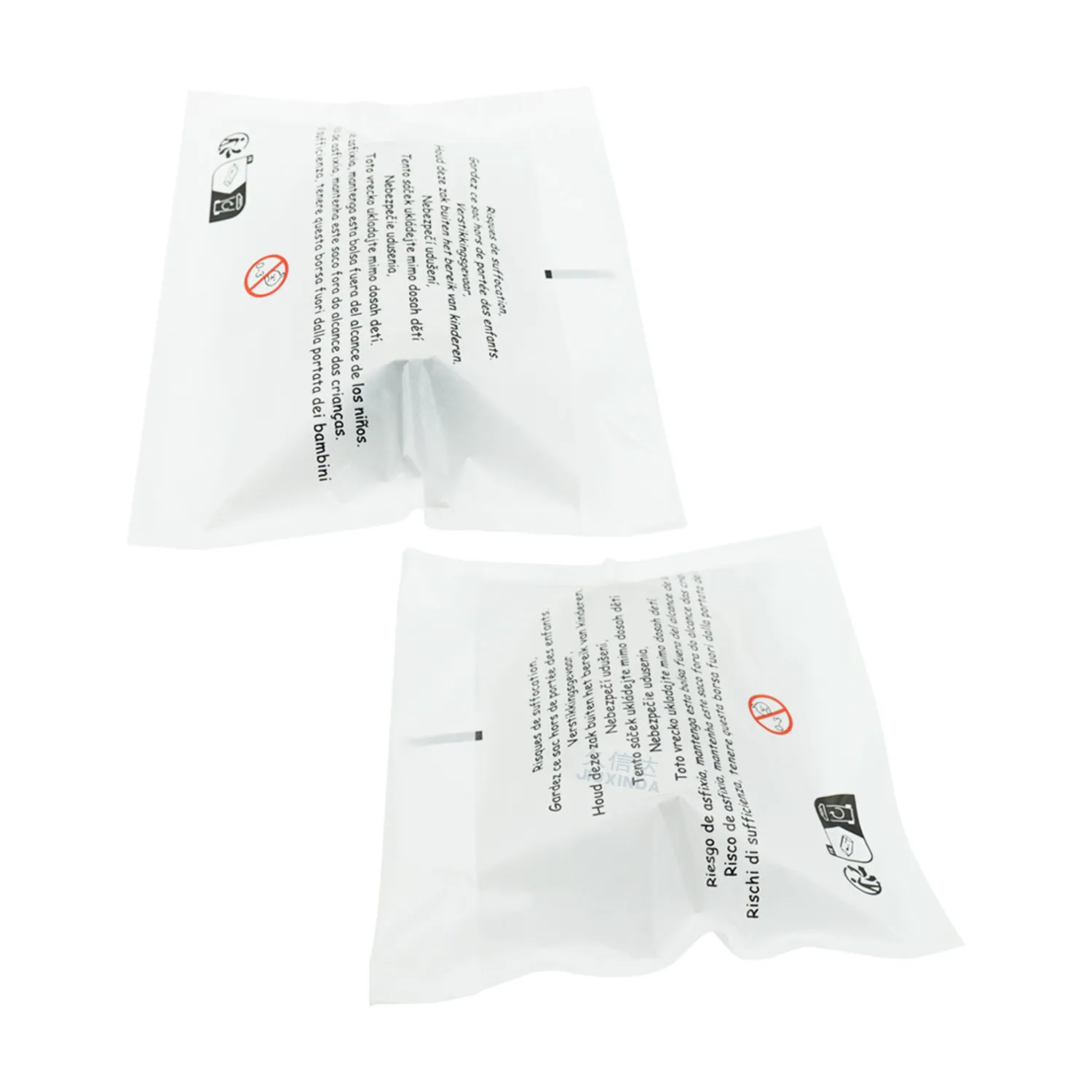
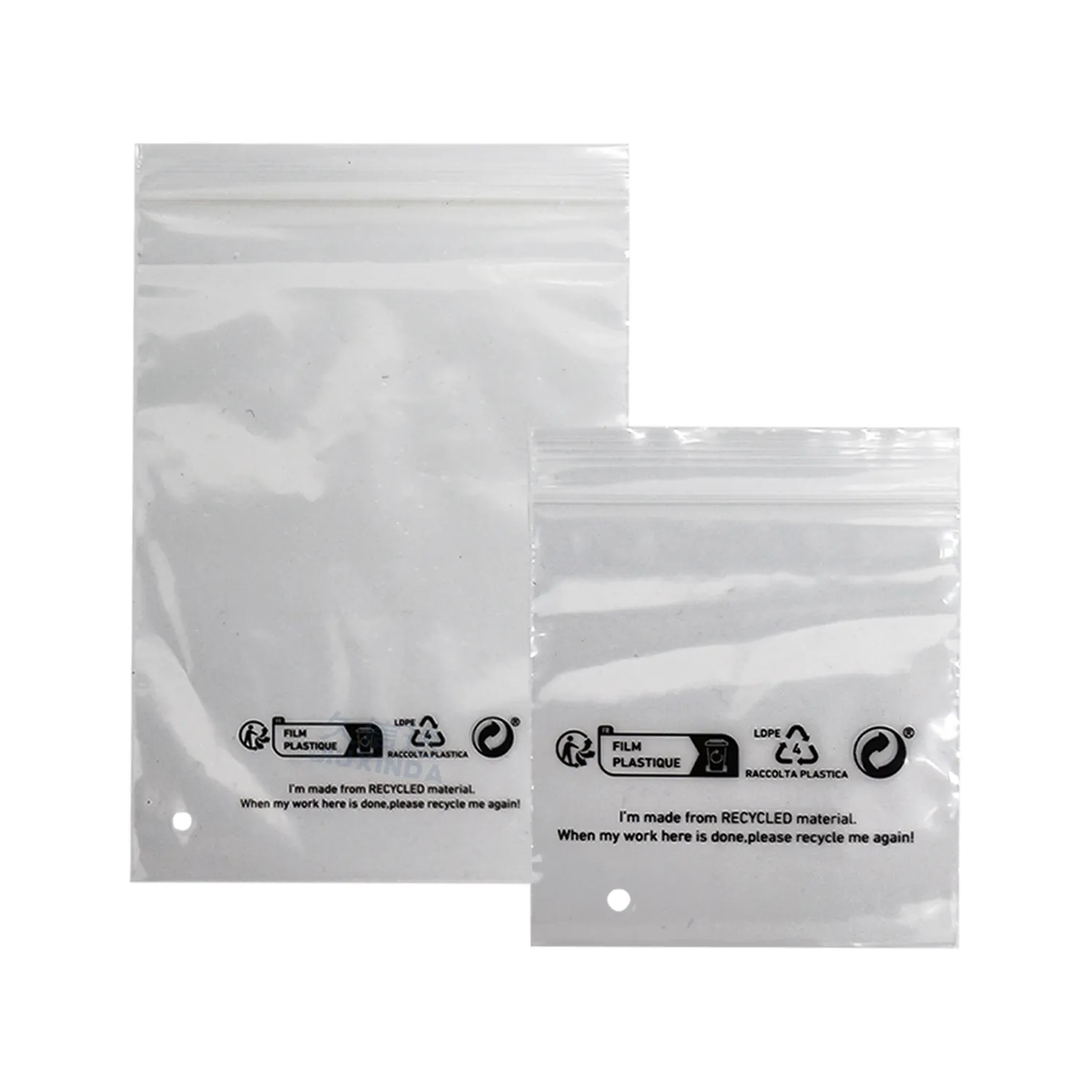
Before sending inquiry to manufacturers, buyers need to prepare four sets of definite details. Firstly, confirm accurate physical specifications: exact width, length, bottom gusset size, bag thickness (measured in mil), opening style and sealing method according to your actual product size and weight. Secondly, specify functional needs, such as self-adhesive lip, hang hole, tear notch, anti-static or dust-proof function for special product packing. Thirdly, submit complete design documents, including vector logo files, official PMS color codes, printed texts, warning marks and exact print position. Fourthly, state total order quantity and preliminary delivery deadline. Complete and standardized requirements cut communication gaps greatly and speed up the whole proofing and mass production process.
Key Customization Mistakes to Avoid for Functional & Nice-looking Poly Bags
Many buyers only focus on printed logo effects while ignoring practical structural defects of custom poly bags. Some unreasonable customized designs lead to poor using experience, such as easy opening failure, weak side sealing, ink peeling during friction and unreasonable hole position affecting packing efficiency.
Here are the most practical customization notes for custom poly bags. Do not arrange printed patterns too close to edge sealing areas, which will cause pattern damage during high-temperature sealing. Match bag thickness reasonably: thin poly bags for light clothing and accessories, while thickened options for heavy hardware and sharp-edged goods to prevent piercing. Control printing color layers properly; too many stacked colors will cause surface stickiness after production. Besides, choose suitable accessories based on packing scenarios: self-adhesive strips for one-time shipping bags and reusable zippers for repeated storage packaging. Balancing visual design and practical usage helps buyers get both branded and fully functional custom poly bags.
Batch Quality Inspection Points for Long-Term Repeat Orders
For buyers with long-term continuous purchasing plans, stable batch quality is far more important than a perfect single sample. Common batch quality problems include obvious color difference between batches, uneven bag thickness, loose sealing and inconsistent adhesive viscosity, which will mess up your daily automatic packing line and unify brand packaging display.
When cooperating with suppliers for long-term custom poly bag orders, buyers need to lock fixed production standards. Request manufacturers to keep the same raw plastic material batch, fixed printing rollers and unified temperature parameters for heat sealing in all follow-up orders. Conduct random inspection focusing on four core indicators: sealing firmness, adhesive stickiness, printing clarity and overall bag flatness. Reliable suppliers will keep your design templates permanently on file, so no extra plate fee is needed for repeat orders while keeping all batches identical. Consistent batch quality ensures smooth automatic packing work and unified brand packaging appearance all year round.
Lead Time Confirmation & Flexible Shipping Arrangement to Avoid Stock Shortage
Although poly bags have mature production processes, custom versions still need extra time for plate making, printing and quality check. Many buyers face packaging stockouts and delayed product shipment just because they underestimate total production lead time or fail to reserve buffer time.
Buyers should confirm the full production cycle clearly before order confirmation, including plate-making time, sample approval time, mass production time and final packing & shipping time. Normally, custom printed poly bags need 7-12 working days for full production, longer than blank stock poly bags. Reserve 3-5 days buffer time for unexpected machine maintenance or minor design adjustment. Meanwhile, negotiate flexible delivery solutions with suppliers, such as partial advance shipment for urgent stock demand and consolidated full shipment for regular orders. Clear lead time planning prevents packaging shortage and guarantees uninterrupted daily product shipping for your business.
Final Conclusion
Ordering custom poly bags is simple but requires standardized communication and clear demand planning. By preparing complete specification and design files in advance, avoiding impractical customized designs, supervising long-term batch quality consistency, and confirming reasonable production lead time, buyers can eliminate most procurement risks. High-quality custom poly bags offer stable product protection, neat brand display and cost-saving packaging solutions for daily business operation.
BUYER QUESTIONS