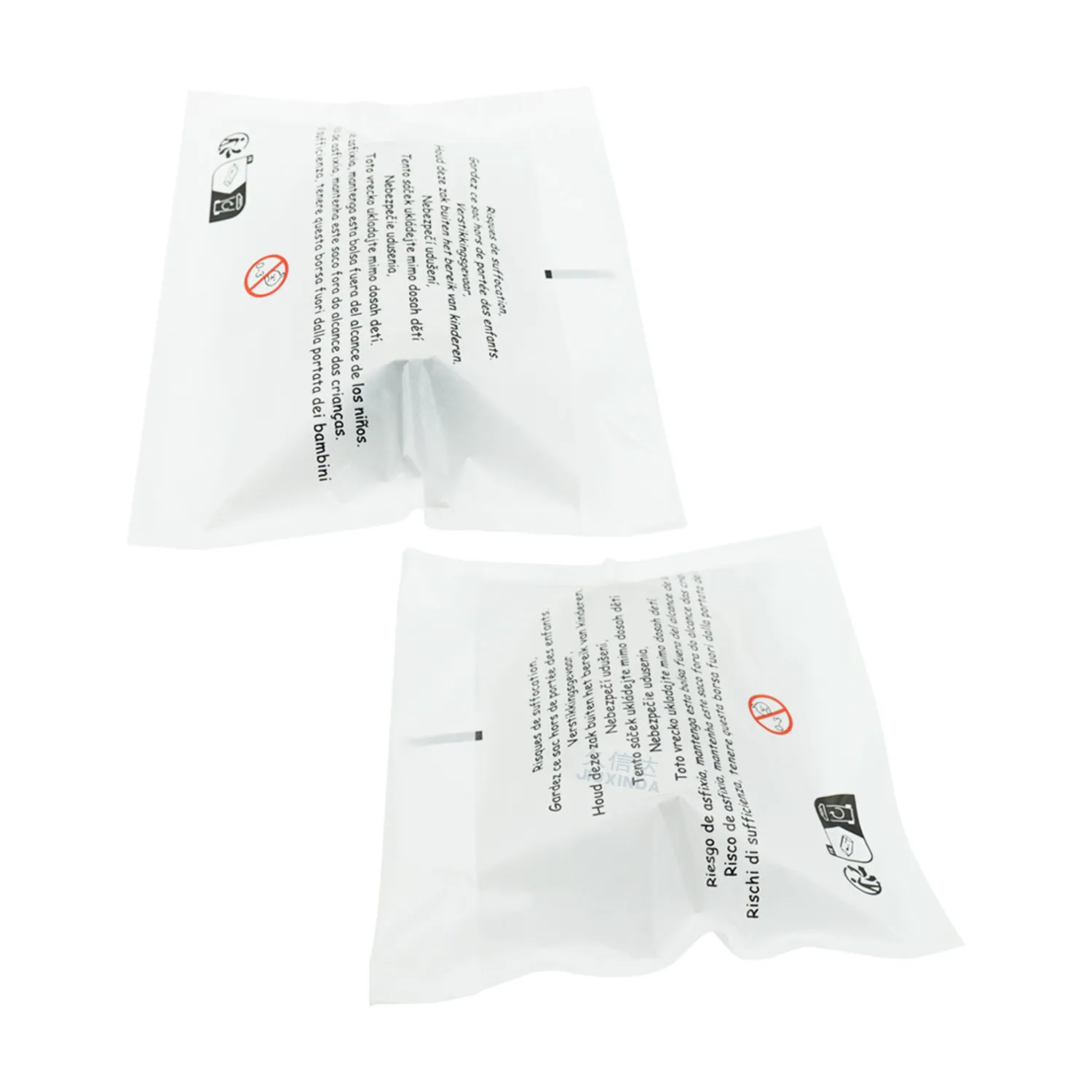
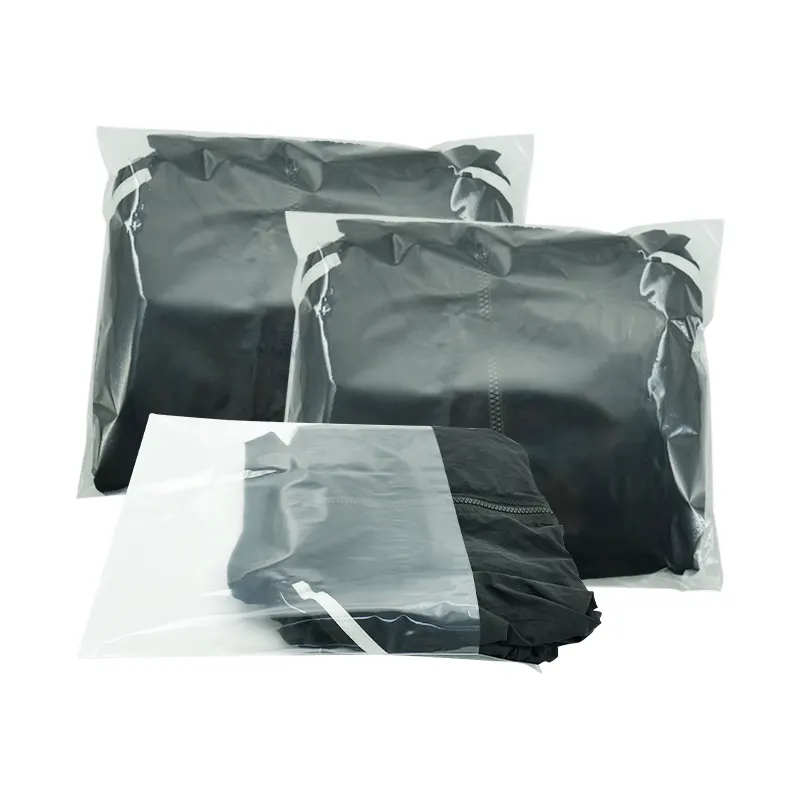
As global environmental regulations become stricter and sustainable fashion gains mainstream popularity, more apparel brands are replacing traditional plastic packaging with biodegradable bags. For clothing retailers, garment factories, and fashion brand operators, biodegradable packaging is no longer a niche option but a standard configuration for brand upgrading, green marketing, and market compliance. However, unlike ordinary plastic bags, biodegradable packaging has special requirements for materials, production processes, and degradation certification. Many apparel buyers face problems such as unqualified degradation effects, poor bag toughness unsuitable for clothing packaging, and inconsistent printing quality. This article combines the unique packaging needs of the apparel industry to sort out practical manufacturer selection methods and key procurement precautions.
Clarify Apparel-Specific Packaging Requirements Before Vendor Selection
Before screening biodegradable bag manufacturers, apparel buyers must first clarify their personalized packaging demands, which is the premise of accurate supplier selection. Clothing products have distinct packaging characteristics compared with daily necessities: garments are prone to wrinkling, require certain bag toughness and transparency for display, and need to match brand tone with customized printing. Meanwhile, brand green positioning also puts forward higher requirements for the degradation performance of packaging bags.
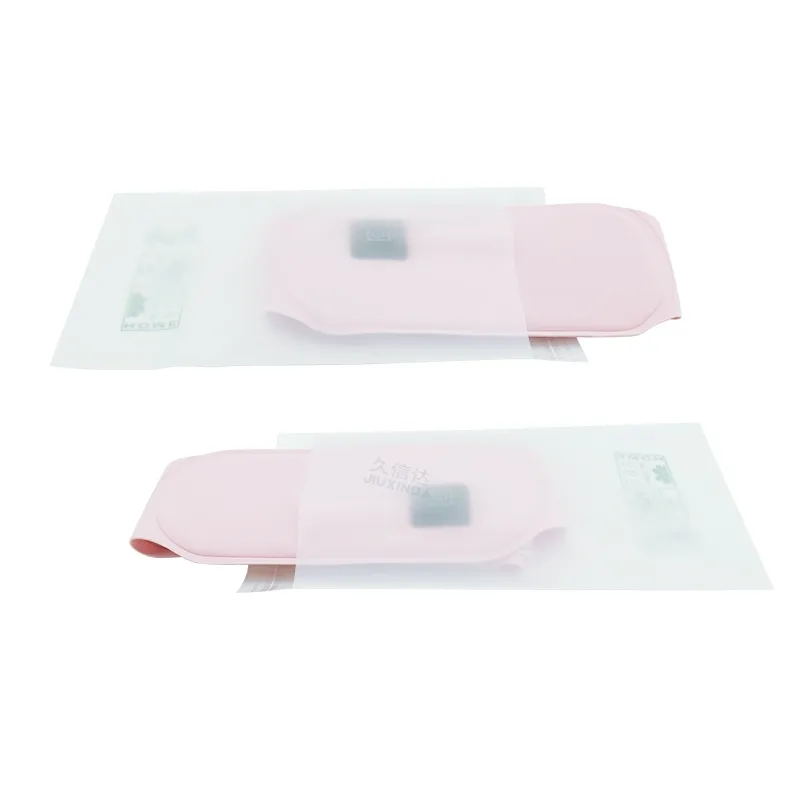
First, confirm the applicable packaging scenarios. Different apparel products correspond to different bag types: thin and light biodegradable flat bags for inner packaging of casual clothes and underwear, thickened self-adhesive bags for outer packaging of coats and suits, and portable biodegradable handle bags for retail and customer takeaway. Second, define functional indicators. Clothing packaging needs tear resistance, good tensile strength, and certain moisture-proof performance to avoid garment damage during transportation and storage. It is necessary to avoid ultra-thin biodegradable bags that are easy to crack and deform.
In addition, clarify brand customization needs in advance, including brand LOGO printing, color matching, bag size specification, surface matte or glossy treatment. Most importantly, confirm the degradation standard requirements according to the sales market—EU markets require EN13432 certification, and the US market needs ASTM D6400 certification, which is the core basis for subsequent manufacturer screening.
Core Criteria for Screening Professional Biodegradable Bag Manufacturers
Not all packaging manufacturers can produce qualified apparel-grade biodegradable bags. Many general packaging factories lack mature biodegradable material molding technology, resulting in unstable product quality. Apparel buyers need to focus on four core strengths of manufacturers to screen professional and reliable suppliers.
First, professional production qualification and certification completeness. Formal manufacturers must have complete production licenses, environmental assessment qualifications, and authoritative biodegradation certification reports. Buyers must reject manufacturers that only provide verbal degradation promises without official third-party test reports, to prevent unqualified products from affecting brand sales and customs clearance.
Second, rich apparel packaging customization experience. Manufacturers with long-term service experience in the fashion and apparel industry are more familiar with clothing packaging pain points. They can reasonably recommend material ratios and bag thickness according to different garment materials (cotton, linen, silk, sportswear) to balance environmental performance, texture and cost. Factories mainly producing food biodegradable bags often cannot meet the high appearance and toughness requirements of apparel packaging.
Third, stable mass production capacity and quality consistency. Brand apparel orders are characterized by large batch sizes and strict batch color difference standards. Excellent manufacturers are equipped with professional biodegradable material production lines and precision printing equipment, which can ensure consistent bag thickness, uniform printing color, and no batch difference in mass orders. Fourth, reasonable cost control system. Mature manufacturers have stable raw material supply channels for PLA and PBAT biodegradable particles, which can avoid sharp price fluctuations and provide stable quotation services for long-term brand cooperation.
Key Precautions in Sample Confirmation and Mass Production Inspection
Sample confirmation and mass production inspection are key links to avoid procurement risks for apparel biodegradable bags. Different from ordinary plastic bags, biodegradable materials are more susceptible to temperature and process factors, leading to easy quality fluctuations in mass production. Buyers need to strictly check details in the whole process.
During the sample confirmation stage, in addition to checking appearance, size and printing accuracy, buyers must conduct practical simulation tests. Test the toughness and bearing capacity of the bag by putting heavy clothes to verify no cracking at the sealing edge; check the surface texture to ensure no bubbles, scratches or uneven thickness that affect the brand display effect; place the sample in a conventional storage environment to observe whether it is prone to brittle failure in advance.
In the mass production inspection link, focus on checking two key indicators: batch consistency and degradation safety. For customized printed bags, strictly check the color difference of each batch to ensure it is consistent with the brand’s VI color standard and avoid inconsistent packaging image affecting brand unity. At the same time, require manufacturers to provide batch raw material inspection reports to ensure no mixing of non-degradable raw materials, which prevents false environmental protection packaging and brand public opinion risks.
In addition, confirm the production cycle in advance. Biodegradable bag production has higher process requirements than ordinary plastic bags, and the production cycle is relatively longer. Buyers need to reserve sufficient production time to avoid delaying apparel listing and delivery due to packaging cycle problems.
Long-Term Cooperation Risks and Sustainable Cooperation Tips
For long-term operated apparel brands, selecting biodegradable bag manufacturers is not only a one-time order cooperation, but also a long-term supply chain layout. Buyers need to focus on sustainable cooperation capabilities and avoid potential long-term risks.
First, avoid low-price trap of inferior products. Many small factories reduce costs by mixing ordinary plastic particles in biodegradable materials. Such products are low in price but fail degradation tests, and are prone to brittle cracking during clothing transportation and storage, which will directly damage product quality and brand reputation. Buyers should take certification qualification and product quality as the primary standard, not unit price.
Second, pay attention to the manufacturer’s technological iteration capability. With the continuous upgrading of environmental protection standards, high-quality manufacturers will continuously update biodegradable materials and processes to develop thinner, tougher, more textured and lower-cost new products, which can help apparel brands reduce packaging costs and optimize green packaging effects in the long run.
Third, confirm flexible after-sales and order service. Apparel brands have seasonal order fluctuations, and new product packaging needs are updated frequently. Excellent manufacturers can support flexible order adjustment, small-batch trial customization and seasonal emergency order production, and provide perfect after-sales solutions for defective products and delayed delivery problems, ensuring stable operation of brand packaging supply chain.
Final Summary
Biodegradable packaging is an important carrier for apparel brands to practice sustainable fashion and shape green brand images. When selecting biodegradable bag manufacturers, apparel buyers need to combine industry packaging characteristics, take qualification certification, apparel customization experience, and mass production stability as the core selection standards, strictly control sample inspection and mass production quality, and avoid low-quality and non-compliant packaging risks. Choosing a professional and sustainable manufacturer can not only solve packaging demand problems, but also help brands gain greater market recognition in the green consumption trend.
BUYER QUESTIONS