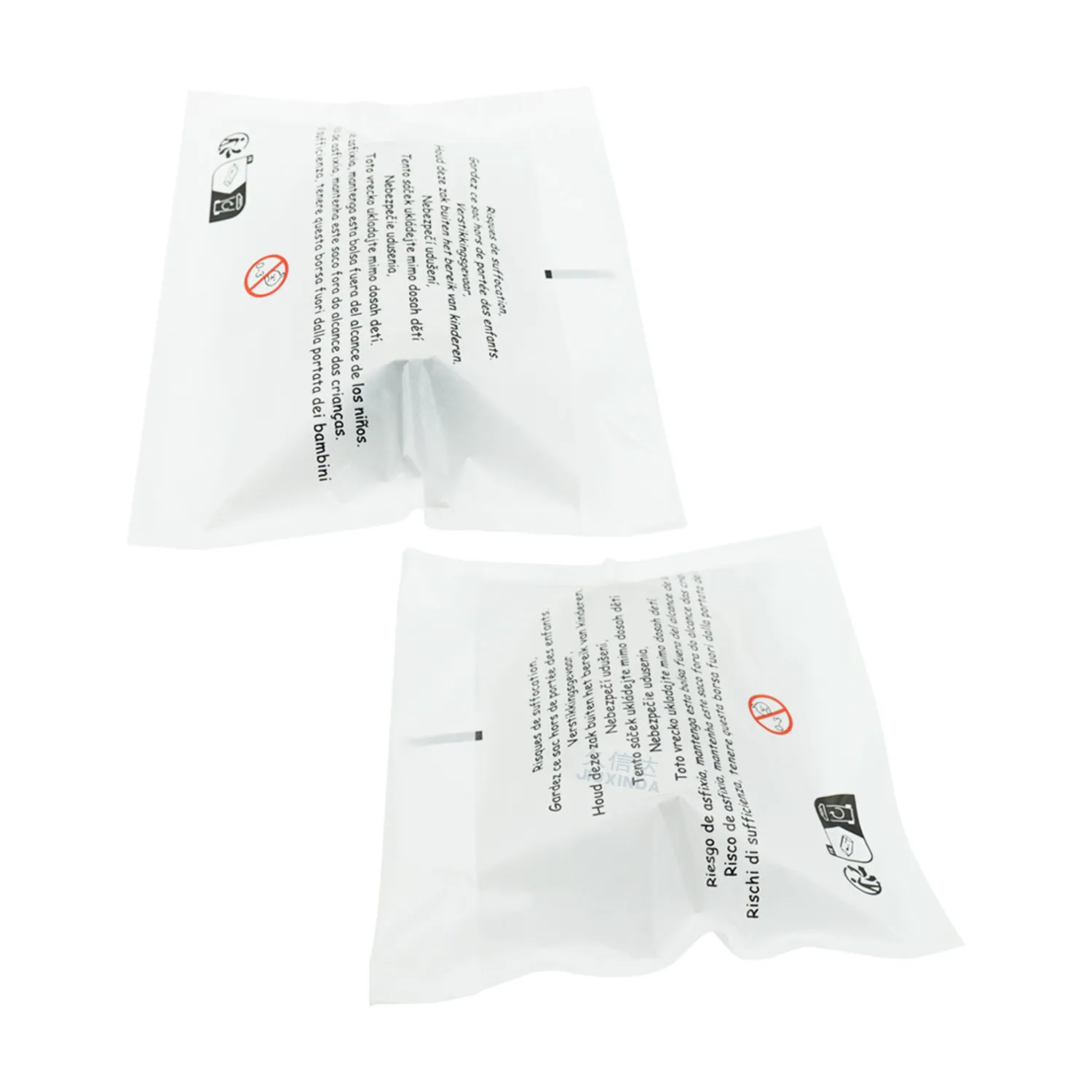
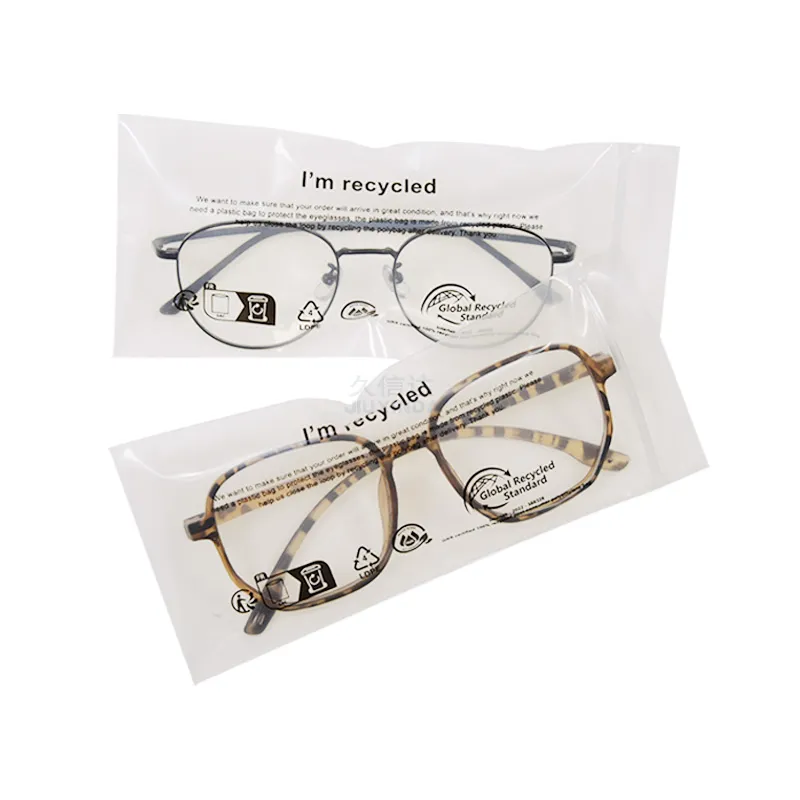
As global circular economy policies tighten and eco-conscious consumer demand surges, recycled plastic bags have evolved into a mainstream packaging solution for retail, logistics, apparel, and FMCG industries. Unlike virgin plastic packaging, recycled plastic bags prioritize resource recycling and low carbon footprint, helping brands fulfill environmental social governance (ESG) obligations and enhance green brand image. However, the quality of recycled plastic products varies drastically due to different recycling materials and processing technologies. For B2B buyers, selecting a professional recycled plastic bags manufacturer is critical to avoiding unqualified low-carbon packaging, inconsistent batch quality, and failed sustainability compliance audits. This guide shares practical, buyer-oriented selection strategies and procurement precautions exclusive to recycled plastic bag sourcing.
Distinguish Recycled Material Grades to Match Your Business Needs
The biggest difference between recycled plastic bags and conventional plastic packaging lies in raw material standards. Many buyers fall into the trap of generalized “recycled materials” without distinguishing material grades, resulting in packaging that fails brand green standards or functional requirements. Reliable manufacturers classify recycled plastic materials strictly, and buyers must confirm material attributes first before vendor screening.
High-quality recycled plastic bags are mainly made of post-consumer recycled (PCR) plastic materials, including recycled PE, PP, and PET particles. These materials undergo professional sorting, cleaning, impurity removal, and granulation processes, featuring stable texture, low odor, and consistent color, suitable for brand retail packaging, logistics packaging, and daily commodity packaging. In contrast, low-grade recycled materials mixed with industrial waste plastics have excessive impurities, poor toughness, and obvious color differences, which are only applicable for temporary non-display packaging.
Buyers need to clarify their usage scenarios and certification requirements in advance. For brands focusing on green marketing and export sales, prioritize manufacturers that adopt 100% PCR recycled materials and can provide complete material source reports. For ordinary logistics and transit packaging, manufacturers with standardized mixed recycled materials can balance quality and cost effectively. Clarifying material grades is the foundation to eliminate inferior suppliers.
Focus on Manufacturer’s Specialized Recycling Production Technology
Producing qualified recycled plastic bags demands higher technical and equipment requirements than ordinary plastic bags. Unprofessional manufacturers simply process recycled particles through simple melting and film blowing, leading to common defects like easy tearing, poor sealing, uneven thickness, and peculiar smell. Buyers need to assess the manufacturer’s professional processing capability as a core selection indicator.
First, inspect refined processing equipment. Excellent manufacturers are equipped with professional impurity filtering systems, high-precision film blowing machines, and constant-temperature sealing equipment. These devices effectively solve the problem of uneven material viscosity caused by recycled particle differences, ensuring uniform bag thickness, stable tensile strength, and tight sealing performance.
Second, evaluate formula adjustment capability. Professional factories can adjust the ratio of recycled particles and functional additives according to customer needs, improving the toughness, aging resistance, and drop resistance of recycled plastic bags. This solves the inherent defect of poor ductility of traditional recycled plastic products, making packaging performance close to virgin plastic bags.
Third, confirm batch production stability. Recycled materials have batch differences in raw material characteristics. Qualified manufacturers have fixed material screening and preprocessing procedures to unify raw material standards, ensuring consistent color, texture, and performance of each batch of products and avoiding chaotic packaging styles that affect brand image.
Verify Green Certification and Compliance Qualifications Exclusively for Recycled Products
Compliance certification is the core credential for recycled plastic bags, and also the key basis for brands to prove their environmental credentials. Unlike ordinary packaging products, recycled plastic bags have exclusive industry certification standards. Many buyers ignore targeted qualification verification, leading to products that cannot pass third-party green audits or overseas customs clearance.
Buyers must prioritize manufacturers with complete recycled product certification systems. Core certifications include GRS (Global Recycled Standard), the most authoritative global recycled product certification, which can prove the recycling ratio, material source, and production process compliance of plastic bags. For European and American market exports, GRS certification is a mandatory threshold for most brand green packaging audits.
In addition, verify basic environmental and safety qualifications of the factory, including environmental production permits, waste disposal qualification reports, and non-toxic and harmless material test reports. Avoid cooperating with small factories that falsely label ordinary plastic bags as recycled products or mix a small amount of recycled materials to defraud certification. Formal manufacturers can provide complete traceability reports of recycled materials for each order.
It is worth noting that buyers should confirm the accurate recycled content ratio (30%, 50%, 80%, 100%) with suppliers and mark it in the contract, to prevent false publicity risks caused by inconsistent actual recycling ratio and product labeling.
Control Cost and Risk Details in Long-Term Bulk Procurement
Long-term sourcing of recycled plastic bags requires balanced control of cost, quality and cooperative risk. Due to the higher processing cost of recycled materials, the unit price of qualified products is slightly higher than ordinary plastic bags. Buyers need to avoid single low-price competition and focus on comprehensive procurement value and risk prevention.
First, avoid low-quality cost reduction traps. Some manufacturers cut costs by reducing recycling purification processes and mixing inferior waste materials. Although the price is low, the products have pungent odors, fragile texture, and serious color difference, which will cause product damage during transportation and damage brand reputation.
Second, confirm flexible customization and delivery mechanisms. Different from standardized plastic products, recycled plastic bag production is affected by raw material supply cycles. Excellent manufacturers have stable long-term recycled material supply channels, which can guarantee on-time delivery of bulk orders and support personalized customization of size, printing, and thickness.
Third, clarify after-sales quality assurance clauses. Specify the defective product replacement standard, batch quality difference tolerance range, and rework cycle in the cooperation contract. Professional manufacturers will take responsibility for quality problems such as unqualified recycling ratio, poor product performance, and inconsistent batch standards, providing reliable after-sales guarantee for buyer orders.
Sourcing high-quality recycled plastic bags requires buyers to abandon single price-oriented thinking and focus on material grade, professional technology, green certification and long-term risk control. Selecting a manufacturer with standardized recycled material processing technology, complete GRS compliance qualifications and stable batch production capacity can not only meet the brand’s environmental development needs, but also ensure packaging quality stability and supply chain safety, bringing sustainable green value for enterprise development.
BUYER QUESTIONS