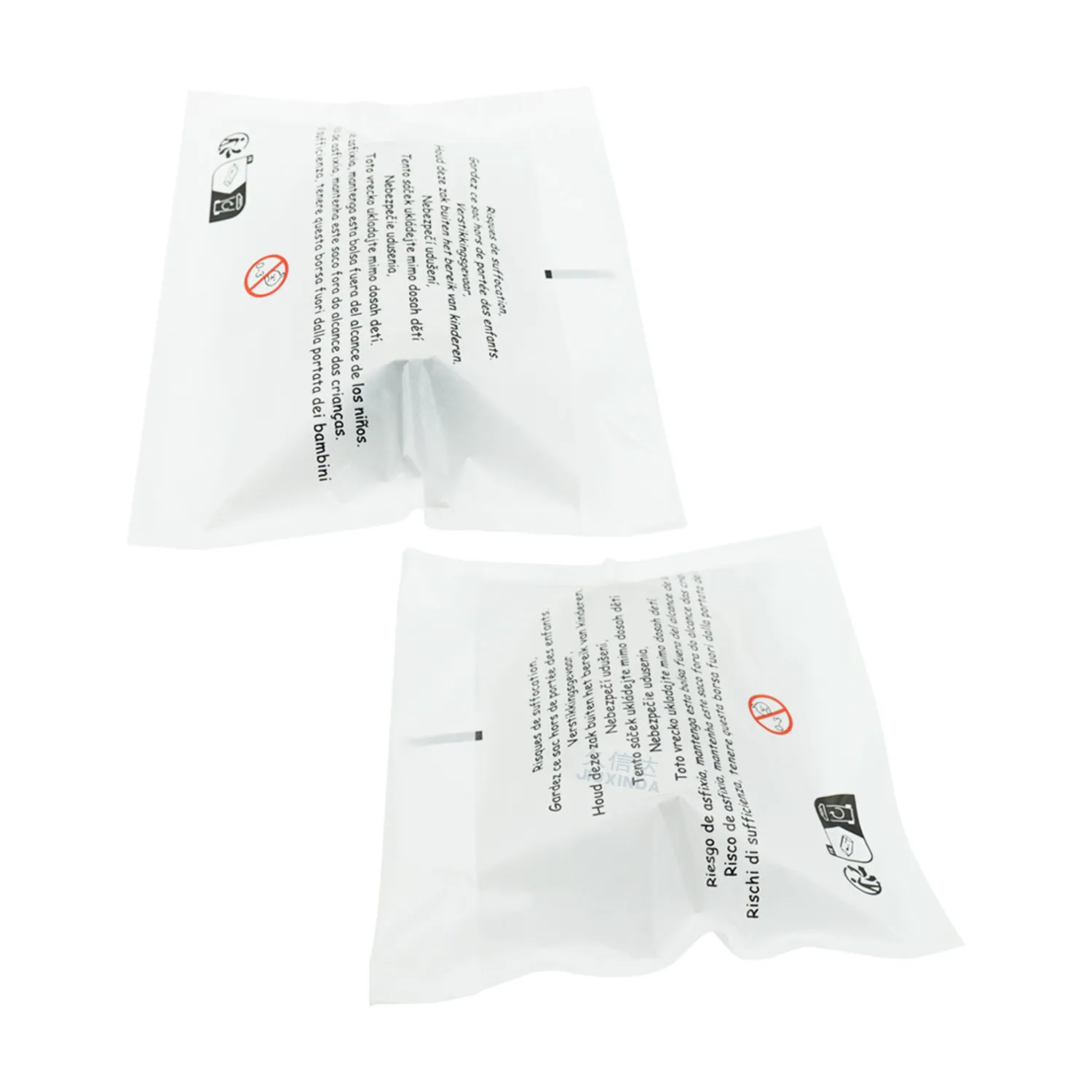
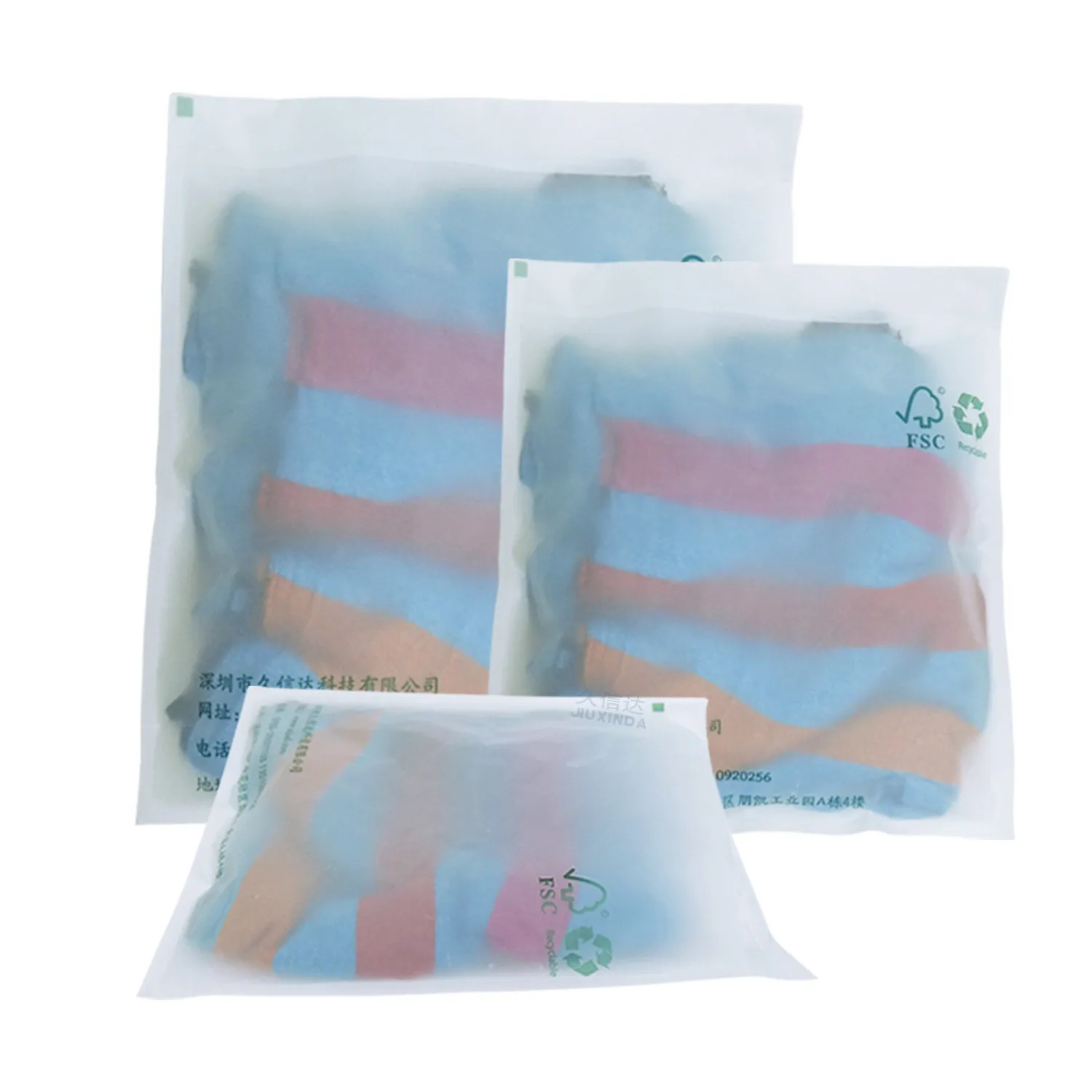
Custom packaging bags are no longer a simple packaging accessory for brands, but a core carrier that balances product protection, brand display, procurement efficiency and market adaptability. For corporate buyers, designing high-quality custom packaging bags is not just about pursuing exquisite appearance, but about creating practical, cost-controlled, and smoothly delivered packaging solutions that fit product positioning and business operations. Many procurement teams face common troubles in customization: unclear design demands lead to repeated revisions, missing key customized information causes unqualified finished products, and unreasonable process arrangement delays delivery schedules. To help buyers complete custom packaging bag design efficiently and avoid mainstream customization pitfalls, this article summarizes four key practical guidelines from a real procurement perspective.
Clarify Core Customization Information to Avoid Design Deviation and Revisions
Complete and accurate basic information is the primary premise for effective custom packaging bag design, and it is also the most easily overlooked link in procurement cooperation. Incomplete information submission will lead to inconsistent design drafts between suppliers and buyers, resulting in repeated modifications, prolonged proofing cycles and increased invisible costs. Before launching any customization project, buyers need to sort out and confirm all key customized information in advance to ensure the design is 100% compatible with product and brand needs.
The essential customized information mainly falls into four categories. First is product matching data, including accurate product dimensions, gross weight, packaging scenarios and storage/transportation environment, which determine the bag’s size, thickness, toughness and barrier performance. Second is brand visual information, including official logo files (vector format is preferred), standard brand color codes (CMYK/PMS), fixed font specifications and required text content such as product information, certification marks and factory addresses. Third is process and material demands, such as matte/glossy lamination, embossing, hot stamping, waterproof and oil-proof treatment, as well as material types like plastic, biodegradable and woven fabrics. Fourth is order basic parameters including customized quantity and packaging usage stages. Fully sorting out these information helps suppliers complete one-time accurate design and proofing, greatly improving the overall customization efficiency.
Balance Practical Performance and Brand Aesthetics in Design Details
A common mistake many buyers make in custom design is overemphasizing visual beauty while ignoring practical applicability, or focusing solely on functionality and neglecting brand display effect. Excellent custom packaging bag design must strike a perfect balance between practical performance and commercial aesthetics, meeting both product protection needs and market brand promotion demands.
In terms of practical design, buyers need to prioritize structural rationality according to product attributes. For heavy, fragile or sharp-edged products, the design should add thickened edges, reinforced handles and anti-tear structures; for food, cosmetics and electronic products, moisture-proof, dust-proof and anti-static functional designs should be matched; for cross-border logistics products, the packaging structure needs to adapt to container stacking and long-distance transportation pressure. In terms of brand aesthetics, the design should follow minimalist and high-end commercial logic, avoid excessive messy patterns, and take brand tone as the core to unify the overall style. Reasonable layout of logo and product information can improve brand recognition without affecting the packaging’s opening experience and structural firmness, making the packaging both usable and market-competitive.
Grasp Key Customization Rules to Prevent Quality and Compliance Risks
Custom packaging design is not arbitrary creation; it needs to comply with industry norms, safety standards and market access rules, which is a key guarantee for buyers to avoid post-order risks. Unregulated design and non-compliant material matching will lead to unqualified finished packaging, inability to pass market inspection, or even batch scrapping, causing huge losses to procurement teams.
First of all, material and process compliance must be guaranteed. For food-contact, skin-contact and electronic product packaging, buyers must specify environmentally friendly, non-toxic and industry-certified materials, and prohibit unqualified printing inks and special processes to avoid safety hazards. Secondly, text and pattern design should comply with advertising laws and industry regulations, avoiding false publicity statements, unauthorized trademark use and sensitive patterns, to prevent brand legal risks. In addition, it is necessary to match customized performance parameters with actual usage scenarios. For example, outdoor sales packaging needs anti-ultraviolet and anti-fading design, and high-temperature transportation products need high-temperature resistant material design. Standardized and rule-compliant design can effectively reduce product quality problems and market compliance risks, ensuring the packaging can be normally used and sold in all scenarios.
Optimize Design and Process Arrangement to Ensure On-Time Delivery
Delivery timeliness is one of the core assessment indicators of procurement work, and unreasonable custom design arrangement is the main cause of delayed packaging delivery. Many packaging delivery delays are not caused by the supplier’s production capacity, but by repeated design revisions, late confirmation of drafts and unreasonable process scheduling in the early procurement stage. Therefore, buyers need to take delivery cycle as a key factor to intervene in design planning.
In the early stage of customization, buyers should communicate with suppliers in advance to confirm the overall cycle of design, proofing, modification and mass production, and reserve a buffer period for unexpected revisions. Try to finalize all design demands, information parameters and process requirements at one time, and avoid large-scale adjustments of size, pattern and material after proofing, which will restart the production cycle and delay delivery. For urgent orders, buyers can appropriately simplify redundant decorative processes on the premise of ensuring core functions and brand effects, and select mature and efficient production processes to shorten the customization cycle. Scientific design scheduling and demand confirmation mechanism can effectively guarantee on-time delivery of custom packaging bags, ensuring buyers’ product stocking, sales and shipment plans proceed smoothly.
Conclusion
Designing effective custom packaging bags is a systematic work that integrates information sorting, detail optimization, risk control and cycle management. From clarifying complete customization information and balancing practicality and aesthetics, to abiding by industry customization rules and optimizing design schedules for on-time delivery, every link is closely related to the final packaging quality, procurement cost and business efficiency. For professional buyers, standardized and targeted custom packaging design logic can not only create high-value packaging that fits brand and product positioning, but also effectively reduce customization risks, save procurement time cost, and provide stable support for enterprise product sales and brand development.
BUYER QUESTIONS