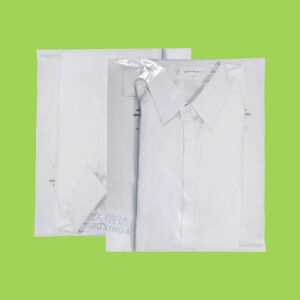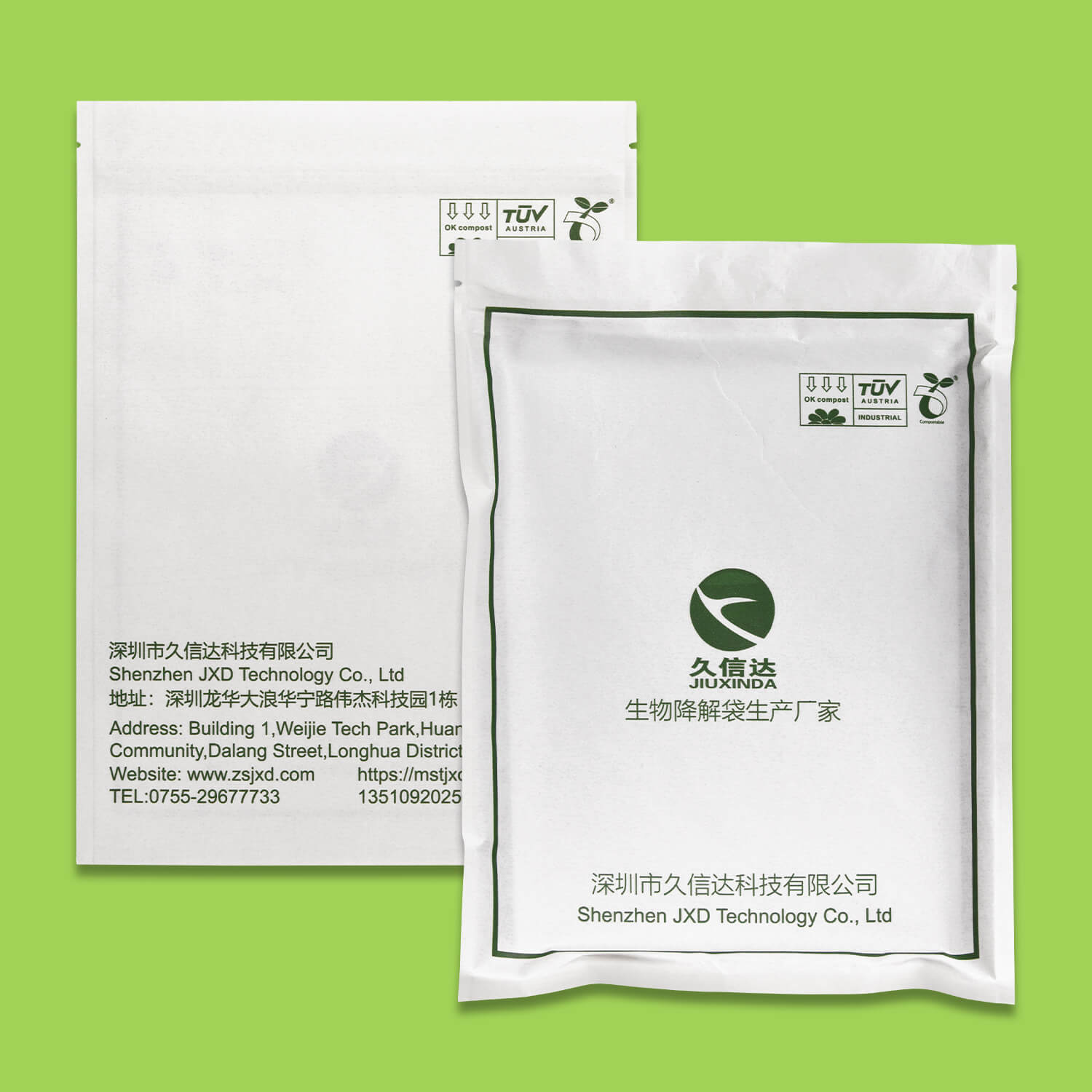
The core requirements for packaging in the fresh produce section of supermarkets are freshness preservation, leak resistance, and meeting load-bearing standards, while also complying with environmental policies and satisfying consumers’ green demands. Biodegradable bags, which are mainly made of degradable materials such as PLA (Polylactic Acid) and PBAT (Polybutylene Adipate Terephthalate), have a natural compatibility with the usage scenarios of the fresh produce section. Fresh products (fruits, vegetables, fresh meat, and seafood) tend to release moisture and juices during sale and transportation. Traditional plastic bags, although leak-resistant, are difficult to degrade. In contrast, high-quality biodegradable bags, optimized through composite technology, can achieve practical performance such as leak resistance and a load-bearing capacity of ≥5kg. Meanwhile, they can be completely degraded within 180 days in natural environments or under composting conditions, reducing white pollution at the source.
I. Unique Advantages of Biodegradable Bags in the Fresh Produce Section
Firstly, they have prominent environmental value. The consumption of plastic bags in the fresh produce section of supermarkets is enormous, with a daily consumption of up to thousands of bags. Traditional plastic bags have a degradation cycle of hundreds of years, which easily causes soil pollution and damage to marine ecosystems. Biodegradable bags can decompose into water and carbon dioxide in a composting environment without residual pollution, which is in line with the “dual carbon” goals and the green transformation needs of supermarkets. They also help enhance the brand’s environmental image and attract consumers who pay attention to ecological protection.
Secondly, they are well-adapted to user experience. By adding toughening agents and anti-fogging agents, high-quality biodegradable bags solve the problems of easy breakage and poor transparency of early products. They can not only meet the ventilation needs of fruits and vegetables but also prevent the leakage of juices from fresh meat and seafood. Additionally, they have a soft texture and a secure seal, making them no less convenient to carry than traditional plastic bags.
Furthermore, there is dual driving force from policies and the market. Many regions have issued “plastic restriction orders” and “plastic ban orders,” clearly requiring supermarkets and other venues to give priority to the use of degradable packaging, making biodegradable bags a compliant choice. At the same time, consumers’ awareness of environmental protection has increased, and they are willing to pay a small premium for green packaging, providing a market foundation for the promotion of biodegradable bags in the fresh produce section.
II. Implementation Challenges and Optimized Solutions
The application of biodegradable bags in the fresh produce section still faces some practical problems. Firstly, the cost is relatively high. The price of biodegradable materials is about 2-3 times that of traditional plastics, which may increase the operating costs of supermarkets. Secondly, the storage requirements are strict. They need to be stored in a sealed, cool, and dry place; otherwise, they are prone to premature degradation, which places higher demands on the warehouse management of supermarkets. Thirdly, consumers have insufficient awareness. Some users are worried about their load-bearing and leak-resistant performance, resulting in concerns about their use.
To address these issues, collaborative optimization from three parties is required. At the supermarket level, supermarkets can reduce procurement costs through bulk purchasing, convert part of the environmental protection costs into brand premiums, and set up reminder signs in the fresh produce section to popularize the usage advantages and storage methods of biodegradable bags.
Production enterprises need to continuously carry out technological innovation, reduce costs by improving formulas and optimizing processes, enhance the moisture resistance and load-bearing capacity of products, and launch different specifications (such as breathable fruit and vegetable bags and leak-proof fresh meat bags) to adapt to the segmented scenarios of fresh produce.
The government and industry associations can increase subsidy efforts to promote the large-scale production of biodegradable materials, and at the same time conduct popular science publicity to eliminate consumers’ misunderstandings.
III. A Feasible and Worthwhile Green Choice
In conclusion, biodegradable bags are completely suitable for use in the fresh produce section of supermarkets. Their core value lies in balancing practicality and environmental protection, which not only meets the basic needs of fresh produce packaging but also solves the pollution problem of traditional plastic bags. Although there are challenges such as cost and storage, these problems can be gradually solved with the advancement of technology, policy support, and the improvement of market acceptance.
As a window for people’s livelihood services, promoting the use of biodegradable bags in supermarkets is not only a compliance requirement but also a manifestation of fulfilling social responsibilities. It can not only contribute to the development of environmental protection but also meet consumers’ green consumption demands, achieving a win-win situation of ecological, economic, and social benefits. In the future, with the continuous upgrading of biodegradation technology and the reduction of costs, biodegradable bags will surely become the mainstream choice for packaging in the fresh produce section of supermarkets.