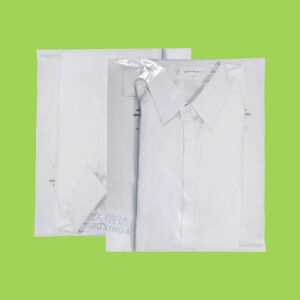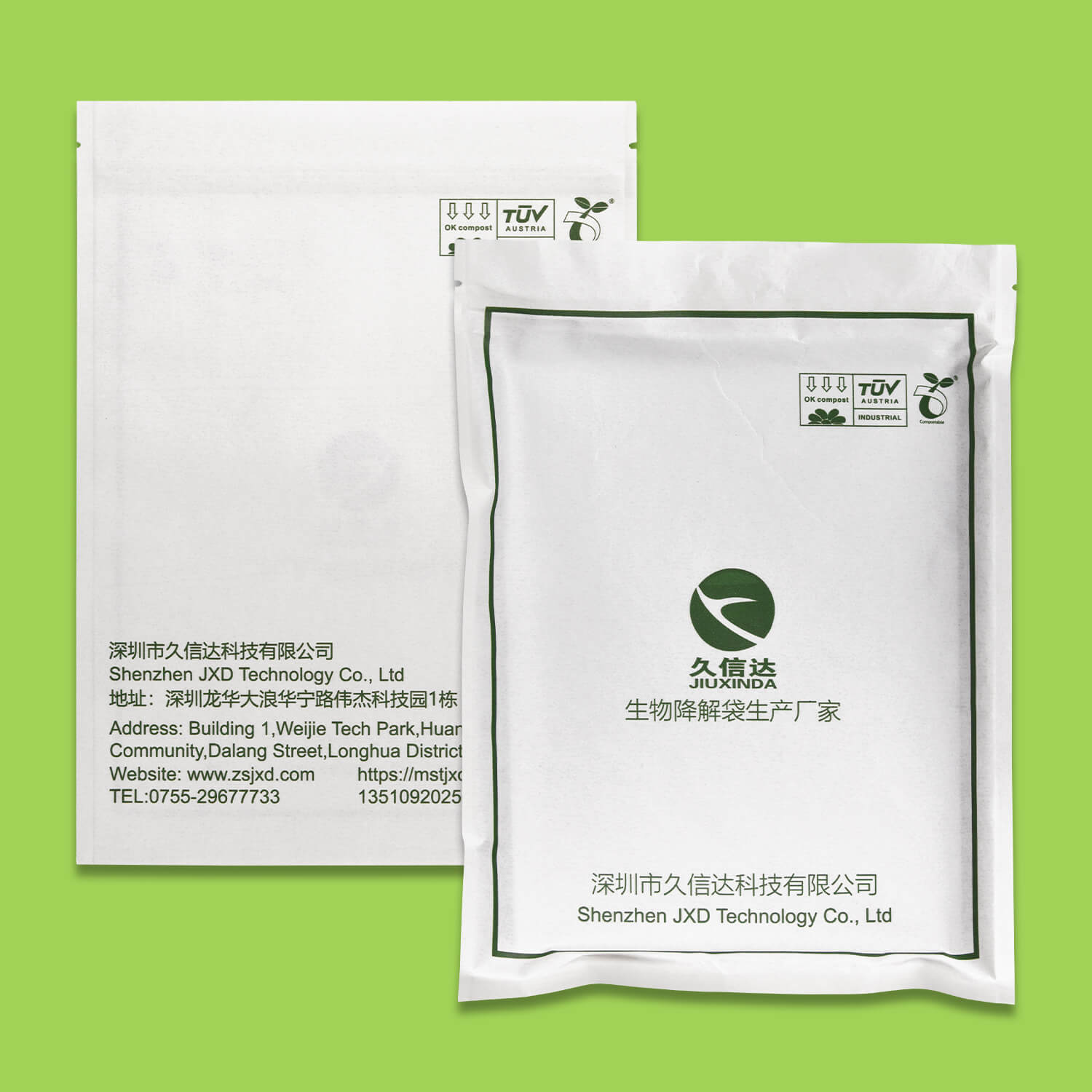
As the concept of environmental protection takes root in people’s minds, biodegradable bags have gradually replaced traditional plastic bags and become a new choice for supermarket shopping and daily storage. However, many consumers have a question: Can bags labeled “biodegradable” be reused like ordinary cloth bags? To answer this question, a comprehensive analysis is needed based on the material characteristics, original design purpose and actual usage scenarios of biodegradable bags.
1. From the Perspective of Material Nature
There is a fundamental difference between biodegradable bags and traditional plastic bags. Biodegradable bags are mainly made of degradable polymer materials such as polylactic acid (PLA) and polybutylene adipate terephthalate (PBAT). Their original design purpose is to decompose into water and carbon dioxide within months to years through the action of microorganisms in the natural environment, so as to avoid “white pollution”.
However, this degradable property also brings challenges to their reuse:
- Most biodegradable bags are thin (usually 0.015 – 0.02 mm in thickness) and have lower physical strength than traditional plastic bags, so they are prone to breakage when folded repeatedly or used to carry heavy loads.
- Some products contain added degradation aids. When these aids come into contact with oil or high temperatures (such as holding hot food), they may accelerate the aging of the material. This poses a risk of trace substance migration and does not meet food safety standards.
2. From the Analysis of Actual Usage Scenarios
The reuse of biodegradable bags needs to be considered based on specific situations.
- If they are only used for storing light items (such as clean clothes and documents) in a normal – temperature and dry environment, and the bags are not damaged or contaminated, short – term reuse (1 – 2 times) usually does not cause safety problems.
- It is not recommended to reuse them when they come into contact with food, especially fresh food, cooked food and oily food. On the one hand, food residues may remain on the surface of the bags, leading to bacterial growth. Moreover, the porous structure of degradable materials makes them easy to absorb pollutants, which are difficult to completely remove during cleaning. On the other hand, high temperatures or oil will damage the stability of the materials, which may cause the degradation components to be released in advance and affect health.
- In addition, when used for outdoor load – bearing purposes (such as carrying heavy objects or holding garbage), repeated use is likely to cause the bags to break. This will increase the risk of plastic fragment pollution and go against the original environmental protection purpose.
3. From the Perspective of Environmental Benefits
Blindly reusing biodegradable bags may not achieve the goal of “being more environmentally friendly”. The production of biodegradable bags consumes biomass resources such as corn and sugarcane. If the bags are damaged due to improper reuse, their service life will be shortened, and the resource consumption on the production side will increase.
A more scientific approach is as follows:
- Use the bags on demand and avoid over – stockpiling.
- If the bags are intact after a single use, they can be prioritized for non – food scenarios.
- When the bags show signs of damage, pollution or aging, they should be put into the degradable waste recycling system in a timely manner to ensure that they can be degraded under specific conditions (such as industrial composting).
The core value of biodegradable bags lies in “controllable degradation” rather than “reusability and durability”. Consumers should view their characteristics rationally when using them. They should not blindly pursue reuse while ignoring safety and environmental protection, nor should they discard the bags at will and waste their degradation advantages. Only by using them scientifically in combination with actual scenarios can biodegradable bags truly become an effective help in reducing “white pollution”.