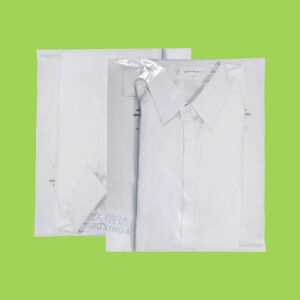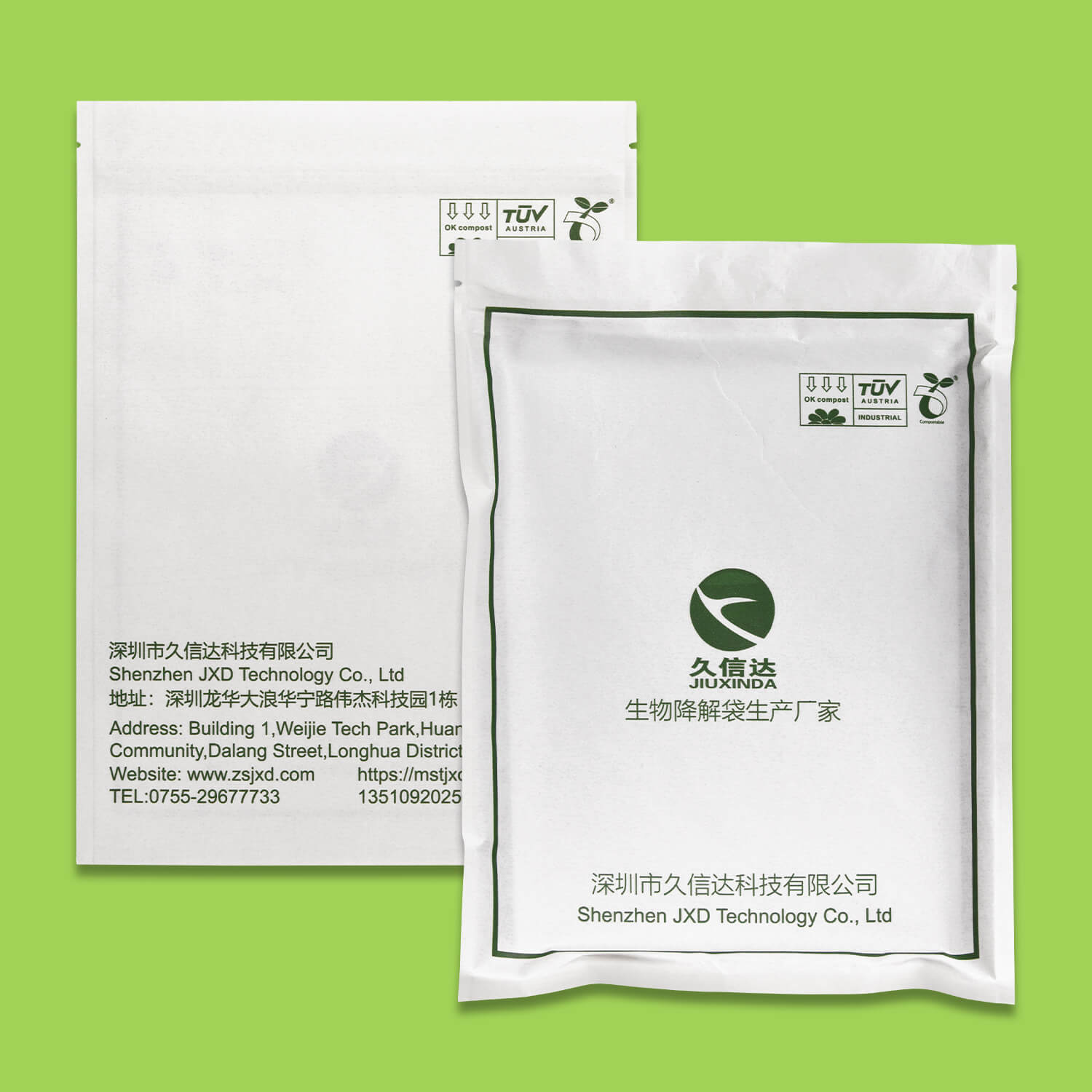
With the vigorous development of e-commerce, the express delivery industry has experienced explosive growth, which is accompanied by the problem of excessive express packaging waste. According to relevant data, China generates more than one million tons of express packaging waste every year, and most of the plastic packaging among it is difficult to degrade, imposing a heavy burden on the environment. Against this background, biodegradable bags, as a new type of environmentally friendly packaging material, have gradually come into people’s sight, and the discussion on whether they are suitable for express packaging has become increasingly heated.
1. Environmental Protection Characteristics
From the perspective of environmental protection characteristics, biodegradable bags undoubtedly have significant advantages, which makes them a potential high-quality choice for express packaging. Traditional plastic express bags are mainly made of polyethylene, which may take hundreds of years to degrade in the natural environment and will decompose into microplastics, polluting soil and water sources and threatening the ecosystem. In contrast, biodegradable bags are usually made from renewable resources such as starch and cellulose. Under suitable temperature, humidity and microbial conditions, they can be completely degraded into carbon dioxide and water within a few months to one or two years without producing harmful substances. For example, a corn starch-based biodegradable express bag produced by a certain enterprise has been tested to have a degradation rate of over 90% within 180 days in a composting environment, which can effectively reduce long-term environmental pollution. For the express delivery industry, a field with high packaging consumption, the use of biodegradable bags can significantly reduce the environmental pressure caused by packaging waste, conforming to the current concept of green development.
2. Practical Application Performance
In terms of practical application performance, biodegradable bags have been able to meet the basic needs of express packaging after technological improvements. In the past, biodegradable bags had problems such as insufficient strength and poor weather resistance, which made them easy to break during transportation and difficult to protect packages. However, with the continuous advancement of technology, today’s biodegradable bags have achieved significant improvements in tensile strength, tear strength and other aspects by adding modifiers and optimizing production processes. Some high-quality biodegradable bags have a load-bearing capacity of 5-10 kilograms, which is equivalent to that of traditional plastic express bags, and they also have a certain degree of water resistance, enabling them to cope with common environmental problems during express transportation. In the pilot application on e-commerce platforms, the breakage rate of express packages using biodegradable bags is not much different from that of traditional packaging, which has been recognized by many merchants and consumers.
3. Challenges Faced by Biodegradable Bags
However, when biodegradable bags are used for express packaging, they also face some challenges that affect their large-scale promotion. On the one hand, the production cost of biodegradable bags is relatively high, usually 30%-50% higher than that of traditional plastic express bags. For the express delivery industry, a field with relatively limited profit margins, this undoubtedly increases the operating costs, causing many enterprises to hesitate. On the other hand, the degradation of biodegradable bags requires specific conditions. If they are randomly discarded in ordinary environments, their degradation rate will be significantly slowed down. At present, China’s recycling and treatment system for biodegradable waste is not yet perfect, and there is a lack of sufficient composting facilities, which makes it difficult for the environmental protection advantages of biodegradable bags to be fully exerted.
Although biodegradable bags have some problems when used for express packaging, their huge development potential and environmental protection value cannot be denied. With the continuous innovation of technology, the production cost of biodegradable bags is expected to decrease gradually. Meanwhile, as China’s environmental protection efforts continue to increase, the relevant recycling and treatment system will also become increasingly improved. The government can encourage express delivery enterprises to use biodegradable bags by introducing subsidy policies and strengthening publicity and guidance; express delivery enterprises should also actively assume social responsibilities and take the initiative to explore green packaging solutions. It is believed that with the joint efforts of all parties, biodegradable bags will become the mainstream choice for express packaging and contribute an important force to promoting the green and sustainable development of the express delivery industry.