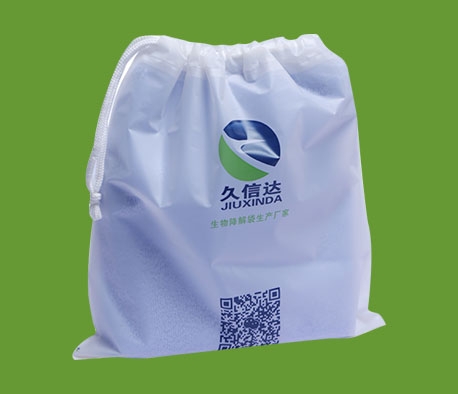
Custom packaging bags have become a core brand touchpoint for businesses across retail, e-commerce, apparel, beauty and hardware industries. Beyond basic product protection, tailored packaging bags elevate unboxing experience, strengthen brand recognition and match unique packing workflows. However, most first-time and regular buyers encounter similar hurdles: incomplete design briefs causing repeated samples, impractical custom designs hurting daily packing efficiency, inconsistent batch quality, and rushed lead times delaying shipment schedules. This guide is written from real buyer procurement perspectives, covering four key aspects to streamline your custom packaging bag orders with zero extra costs or delays.
Essential Information to Prepare Before Custom Production
Clear, detailed requirements are the first step to one-time successful customization. Many unnecessary communication rounds and sample revisions happen simply because buyers provide vague parameters without linking designs to actual packing scenarios.
Before sending official inquiries, buyers need to sort out four categories of definite information for manufacturers. First, practical bag specifications: specify exact dimensions, bag thickness, bag style (flat, gusseted, die-cut handle or mailer style) based on your product size and weight load. Second, functional packing needs: state requirements such as waterproofing, tear resistance, hang holes, self-adhesive seals or anti-static features for special goods. Third, complete brand design assets: supply vector-format logos, standardized color codes, printed texts, warning labels and exact print positions to avoid color deviation and layout errors. Fourth, order volume and deadline requirements. Full upfront information helps manufacturers lock production parameters quickly and shorten the whole proofing and production cycle.
Top Customization Mistakes All Buyers Should Avoid
While pursuing unique branded packaging, many buyers overlook practical production limits and daily packing usability. Some visually attractive designs cannot adapt to machine packing or long-distance logistics, leading to poor user experience and higher defective rates.
Here are the most overlooked customization pitfalls for custom packaging bags. Do not overfill the bag surface with full heavy printing, which increases production cost and may cause ink sticking during bag stacking. Reserve blank margins near sealed edges, as high-temperature heat sealing will damage patterns near borders. Avoid overly thin bag materials just to cut costs, which leads to easy tearing during transit and sorting. In addition, match bag hardness to your packing equipment: too soft bags slow down automatic packing lines, while overly stiff bags are not easy to fold and store. Balancing brand aesthetics, production feasibility and practical usability is the core of qualified custom packaging.
Batch Quality Criteria for Long-Term Repeat Custom Orders
For long-term business operation, consistent batch quality matters far more than a perfect single sample. Subtle differences in color, thickness and sealing strength between batches will damage unified brand image and disrupt standardized internal packing processes.
When cooperating with suppliers for recurring custom orders, buyers should set fixed quality standards. Require manufacturers to archive your confirmed design files permanently to avoid repeated plate-making fees and layout changes. Demand identical raw material batches, printing settings and heat sealing temperatures for all follow-up orders. Focus on three routine inspection indicators upon goods receipt: uniform overall thickness, firm leak-proof edge sealing, and color-consistent printing without fading or blurring. Stable batch quality ensures your brand packaging keeps the same look all year round, supporting unified offline display and online logistics packing.
Lead Time Planning & Rush Order Solutions for Peak Seasons
Custom packaging bags require extra lead time for plate making, customized printing and strict quality testing, longer than ready-made stock bags. Poor time planning is the main cause of packaging stockouts and delayed product deliveries during holiday peaks and promotional sales.
Frequently Asked Questions About Custom Packaging Bags
Most B2B buyers still have lingering doubts before placing formal custom orders. We have sorted out six most common questions raised by global bulk buyers to solve your final confusion before cooperation.
Q1: Can I modify the design slightly during mass production?
A1: It is not recommended. Once mass production starts, all production parameters including printing rollers, material thickness and sealing temperature are locked. Any mid-production design adjustment will halt the whole production line, generate extra modification fees and prolong overall delivery time. All design revisions should be finished during the sample confirmation stage.
Q2: Is there any extra hidden cost for custom packaging bags?
A2: Formal manufacturers only charge transparent fees including material cost, printing plate fee and production fee. No hidden fees will be added for regular layout adjustment, routine quality inspection and standard carton packing. We suggest confirming all cost items in the quotation before order signing to avoid unexpected charges.
Q3: What is the minimum order quantity for custom printed packaging bags? A3: MOQ varies based on bag style and printing colors. Plain custom bags without printing have lower MOQ, while multi-color printed bags need higher minimum order quantity due to fixed cylinder plate cost. Long-term cooperative buyers can enjoy flexible MOQ discounts and lower order thresholds.
Q4: Can I get free samples before bulk order?
A4: Blank existing samples are provided for free, while custom-made samples matching your exclusive logo and size need a small sampling fee. The sampling fee can be fully deducted from your subsequent bulk order payment, bringing zero extra cost for formal cooperation.
Q5: How to deal with defective products after receiving bulk goods?
A5: Reliable suppliers support after-sales compensation for qualified defective rates. If defective bags exceed the industry standard ratio, we provide free re-production, partial refund or supplementary shipment solutions to fully guarantee buyers’ benefits.
Q6: Can custom packaging bags be stacked and stored for a long time?
A6: Yes. Our custom packaging bags adopt anti-stick and anti-yellowing treatment. When stored in dry, cool and ventilated environment away from direct sunlight, the bags can be stored for 12 months without color fading, ink peeling or material hardening.