Traditional plastic packaging bags have long been criticized for causing white pollution, microplastic residue and ecological damage. With global plastic restriction policies escalating and consumer sustainability awareness rising, countless brands and B2B buyers are actively replacing single-use plastic bags with reliable eco-friendly alternatives. However, many purchasers struggle to distinguish the performance differences, application scenarios and compliance boundaries of various non-plastic packaging solutions. Some so-called eco-friendly bags fail to adapt to commercial logistics, waste collection and private brand sales scenarios, resulting in high replacement costs and poor user experience. This article systematically sorts out mainstream non-plastic packaging bag types, clarifies confusing environmental protection concepts, summarizes applicable industries, and lists core evaluation standards for customized procurement, providing a complete sourcing guide for brand buyers.
Main Types of Commercial Non-Plastic Packaging Bags and Practical Comparison
Not all non-plastic packaging solutions are suitable for large-scale commercial use, waste sorting collection and private brand customization. After practical market verification, three types of non-plastic and low-carbon packaging bags have become mainstream viable alternatives, each with unique advantages and applicable scenarios for business operations.
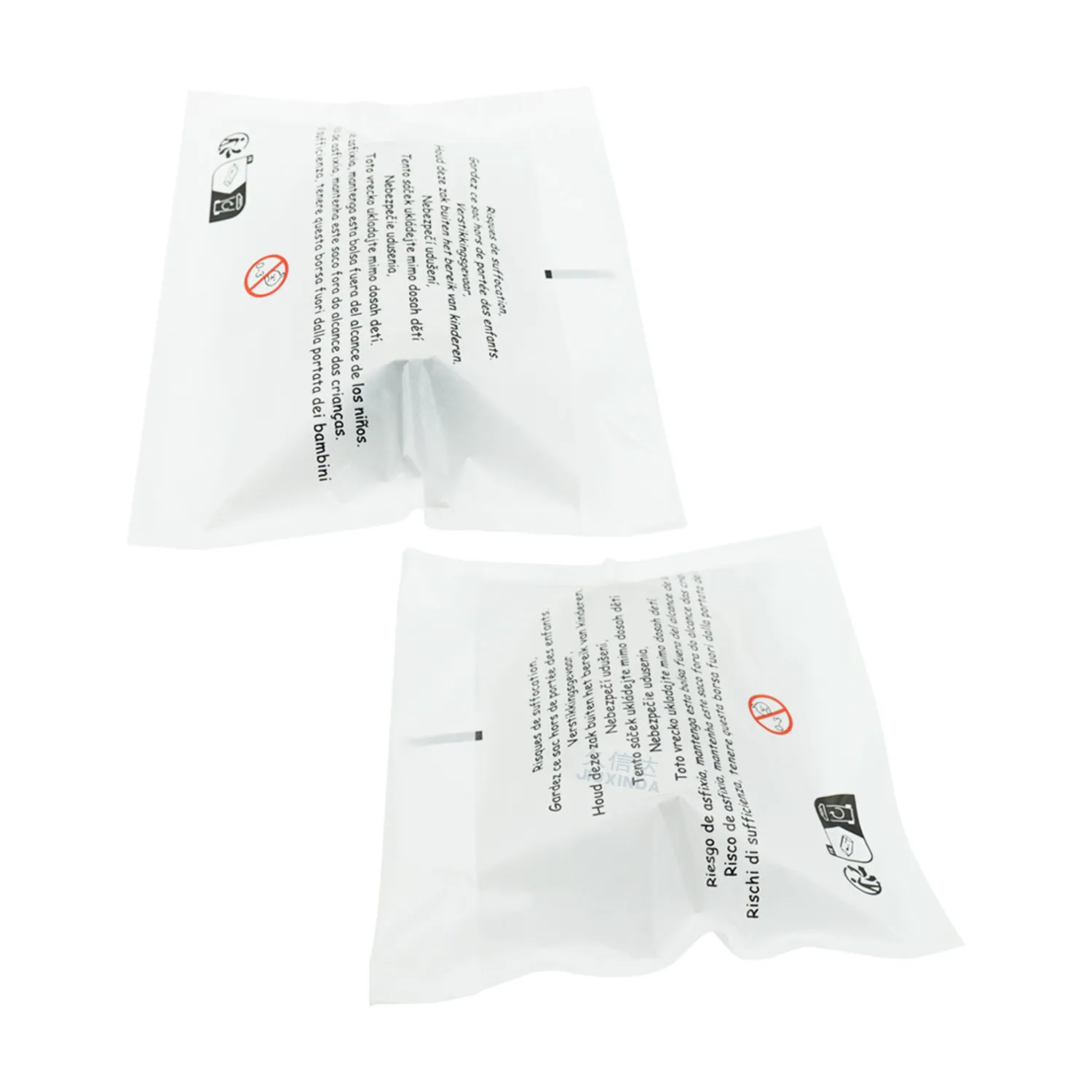
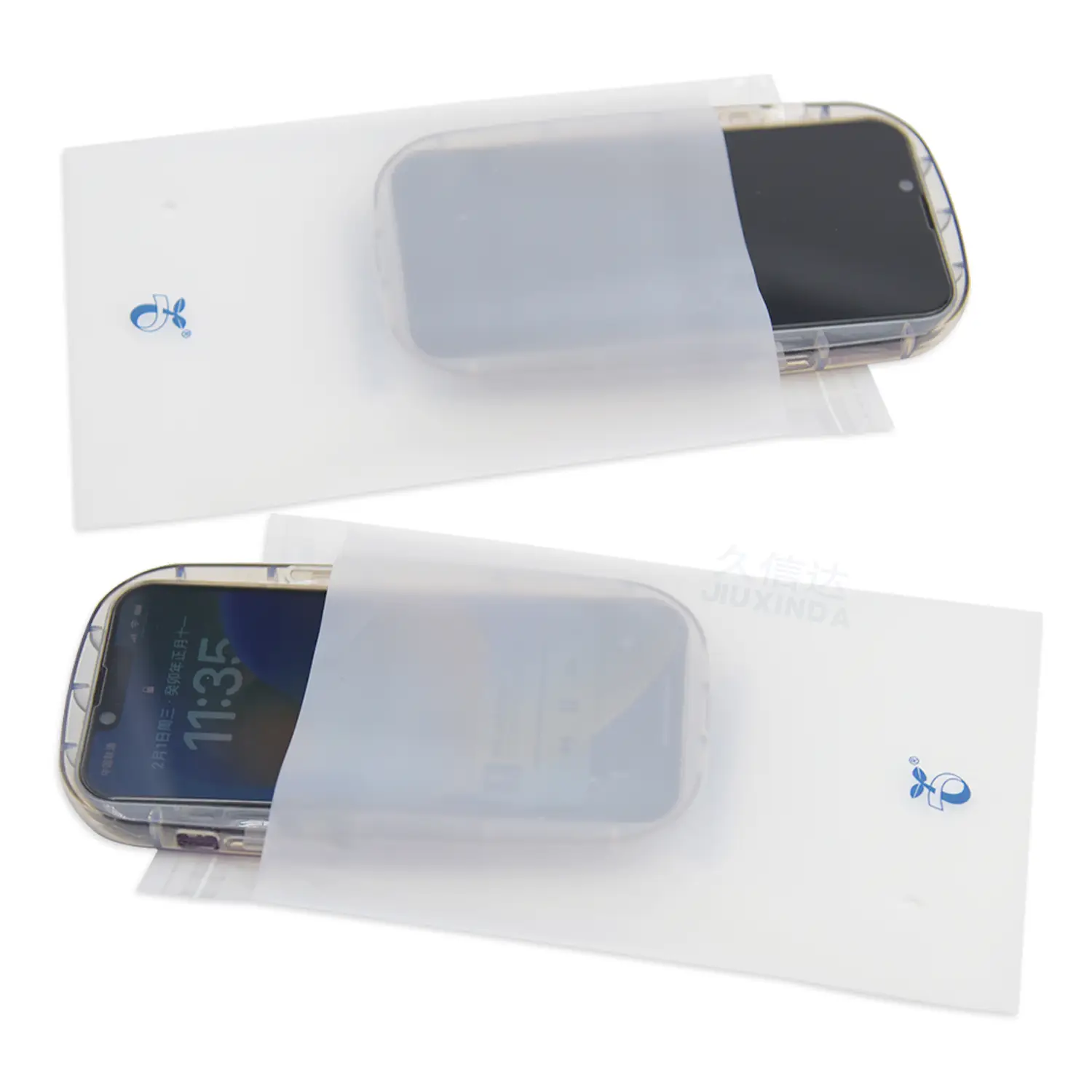
Biodegradable Bags (PLA + PBAT Blended)Made from plant-based PLA and petroleum-based biodegradable PBAT materials, these bags are the most plastic-like sustainable alternatives. They retain excellent toughness, waterproof performance and tensile strength of traditional plastic bags, while achieving complete biodegradation and composting. They adapt to commercial product packaging, long-distance logistics transportation, daily waste collection and private brand customized printing scenarios, with almost no usage threshold. It is currently the most cost-effective and widely applicable non-plastic packaging solution for bulk procurement.
Paper Packaging Bags Made of kraft paper, coated paper and recycled paper materials, paper bags are 100% non-plastic and fully recyclable. They feature high appearance texture and simple customization, suitable for retail display, gift packaging and light commodity packaging. However, their obvious drawbacks include poor waterproof and moistureproof performance, low load-bearing capacity, and inadaptability to humid logistics environments and heavy waste collection scenarios, limiting their large-scale application in industrial and logistics packaging.
Recycled Plastic Bags Produced by reprocessing recycled plastic waste materials, these bags reduce new plastic consumption and belong to circular eco-packaging. Although they still contain plastic components, they are classified as low-carbon alternative packaging in many regional policies. They boast stable thickness and strong durability, suitable for industrial product packaging and repeated recycling use. Nevertheless, they cannot be degraded naturally and fail to meet the zero-plastic and full-composting requirements of high-standard green brands and European and American high-end markets.
Core Concept Distinction: Non-Plastic vs Compostable vs Biodegradable Bags
Most B2B buyers confuse the three core concepts of non-plastic, compostable and biodegradable packaging, leading to wrong material selection and market compliance risks. Clarifying their logical differences is the premise of accurate customized procurement.
Non-Plastic Packaging refers to packaging products that do not contain plastic components at all, mainly including pure paper, cotton and linen packaging. Its core advantage is zero plastic pollution, but it sacrifices partial functionality such as waterproofing and toughness. It focuses on material composition and is mostly used for brand image display and light packaging scenarios.
Biodegradable Packaging focuses on material decomposition performance. It can be decomposed into natural substances through biological effects, including PLA+PBAT degradable plastic bags and partial plant fiber bags. It does not completely exclude plastic ingredients but solves the problem of long-term environmental residue.
Compostable Packaging is a higher standard of biodegradable packaging. It requires complete degradation within a specified cycle under industrial or home compost conditions, without producing microplastics and toxic residues. Regular certified PLA+PBAT biodegradable bags are both biodegradable and compostable, meeting the most stringent global environmental access standards. For cross-border brands and private label sellers, compostable certification is the core threshold for market compliance.
Applicable Industries & Core Pre-Purchase Evaluation Criteria for Customization
Different non-plastic packaging bags match different industry scenarios. Biodegradable PLA+PBAT bags are universally applicable for e-commerce logistics, daily consumer goods, food packaging, retail industry, waste classification and community garbage collection. Paper bags are more suitable for clothing, cosmetics, gifts and offline retail boutique scenarios. Recycled plastic bags are mostly used for industrial parts, hardware products and bulk commodity transportation packaging.
Before customizing non-plastic packaging bags, buyers must evaluate five key dimensions to avoid procurement failures and supply chain risks.
First,core certification verification: prioritize products with EN13432, ASTM D6400, OK Compost and food safety certifications to ensure market compliance and avoid greenwashing risks.
Second,toughness and thickness matching: select appropriate material thickness and tensile strength according to product weight and transportation methods to prevent bag breaking and product damage.
Third, size and capacity customization: formulate accurate specifications based on packaging scenarios to avoid space waste or insufficient bearing volume.
Fourth,economic cost control: balance material grade and order volume to achieve cost optimization on the premise of meeting environmental standards.
Fifth,supply stability: inspect the manufacturer’s raw material reserves, production capacity and batch quality control system to ensure long-term stable supply for brand repeated orders.
Frequently Asked Questions About Non-Plastic Packaging Bags
Q1: Are non-plastic paper bags completely better than biodegradable bags?
A1: No. Paper bags have superior brand texture but lack waterproof and heavy-load performance. Biodegradable bags balance functionality and environmental protection, making them more suitable for commercial logistics and waste collection scenarios.
Q2: Can recycled plastic bags pass global zero-plastic policy inspection?
A2: No. Recycled bags still contain plastic ingredients and cannot meet the full composting and zero-plastic requirements of the EU, the United States and other regions, only suitable for domestic low-carbon procurement scenarios.
Q3: Do all biodegradable bags have formal compost certification?
A3: No. Many unqualified products on the market are pseudo-degradable. Only PLA+PBAT blended bags with complete third-party certifications can achieve real full degradation.
Q4: What is the most cost-effective non-plastic alternative for long-term bulk procurement?
A4: Certified PLA+PBAT biodegradable bags are the best choice, with wide scenario adaptability, stable performance and compliant qualifications, suitable for long-term brand customized procurement.
Q5: Can non-plastic packaging support private brand customized printing?
A5: Yes. Qualified biodegradable bags and paper bags support LOGO, slogan and label customization with eco-friendly inks, which will not affect environmental performance and help brands shape green images.
Conclusion
There is no one-size-fits-all non-plastic packaging solution for commercial use. Paper bags, recycled plastic bags and PLA+PBAT biodegradable bags have their own strengths and scenario limitations. For B2B buyers focusing on market compliance, functional stability and long-term supply, certified biodegradable bags are the most practical and valuable alternative packaging. By distinguishing environmental concept definitions, matching industry application scenarios, and strictly auditing certification, performance and supply capacity before customization, brands can select the most suitable non-plastic packaging solution to realize green upgrading and stable business operation.
BUYER QUESTIONS