Packaging Designed for Fashion, Logistics and Environmental Compliance
Garment packaging has to do more than keep clothing clean. It must protect fabrics during storage and transport, fit the packing process, present the brand clearly and meet the environmental requirements of the destination market.
JXD Eco-packaging provides custom sustainable garment packaging solutions for fashion brands, apparel manufacturers, private-label suppliers and e-commerce businesses. Since 2010, we have focused on environmentally responsible flexible packaging, with options ranging from recyclable PE bags and recycled-content packaging to compostable bags, CPE frosted bags, fibre non-woven bags, glassine bags and paper packaging.
Every solution can be customised by material, bag style, size, thickness, closure, printing and functional features.
Recyclable Garment Packaging
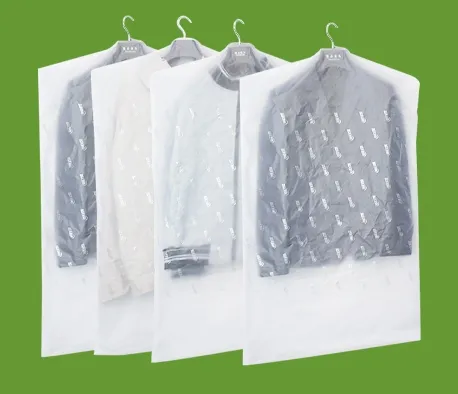
For brands seeking to reduce virgin plastic use and improve packaging recyclability, JXD Eco-packaging bag offers recyclable PE garment bags and packaging made with recycled content.
Where appropriate, we recommend simplified mono-material structures that avoid unnecessary laminations, metallic finishes and difficult-to-separate components. This approach can improve material recovery while keeping the packaging practical for apparel production and distribution.
Available customisation options include:
Virgin or recycled-content PE materials
Custom recycled-content percentages
Clear, translucent or coloured film
Self-adhesive or resealable closures
Ventilation holes and hanging holes
Custom thickness and puncture resistance
GRS-related documentation for applicable products and orders
Material selection is based on the garment weight, packing method, required transparency and expected transport conditions.
Compostable Garment Packaging
JXD Eco-packaging bag also supplies compostable garment bags based on material systems such as PLA and PBAT. These bags are suitable for brands and projects with clearly defined compostability requirements and end-of-life instructions.
Depending on the product specification and intended market, supporting documentation may include standards or certifications such as EN 13432, BPI, TÜV and AS 4736. Certification availability must be confirmed against the exact material, bag construction and scope of the individual project.
Compostable packaging requires suitable collection and treatment conditions. Environmental claims, disposal instructions and certification marks should therefore be reviewed before printing. We help customers match the wording on the bag with the selected material and available documentation.
PPWR-Ready Packaging for the European Market
The EU Packaging and Packaging Waste Regulation, Regulation (EU) 2025/40, entered into force on 11 February 2025 and generally applies from 12 August 2026. It covers packaging of all materials and introduces requirements relating to packaging composition, recyclability, recycled content, labelling and waste prevention.
For apparel packaging intended for the European market, JXD Eco-packaging bag can support PPWR-oriented packaging development through:
Design for recyclability
Simplified material structures
Reduced unnecessary material use
Recycled-content options
Review of packaging weight and dimensions
Clear material identification
Project-specific environmental documentation
Controlled printing and labelling information
The PPWR aims to reduce excessive packaging, improve recyclability and increase the use of recycled content in plastic packaging.
Compliance depends on the complete packaging specification, its intended use, the date it is placed on the market and the obligations of the responsible economic operator. We therefore describe our solutions as PPWR-ready or designed to support PPWR alignment after project review, rather than claiming that one standard bag automatically meets every requirement.
Garment Bag Styles for Different Applications
Self-Adhesive Garment Bags
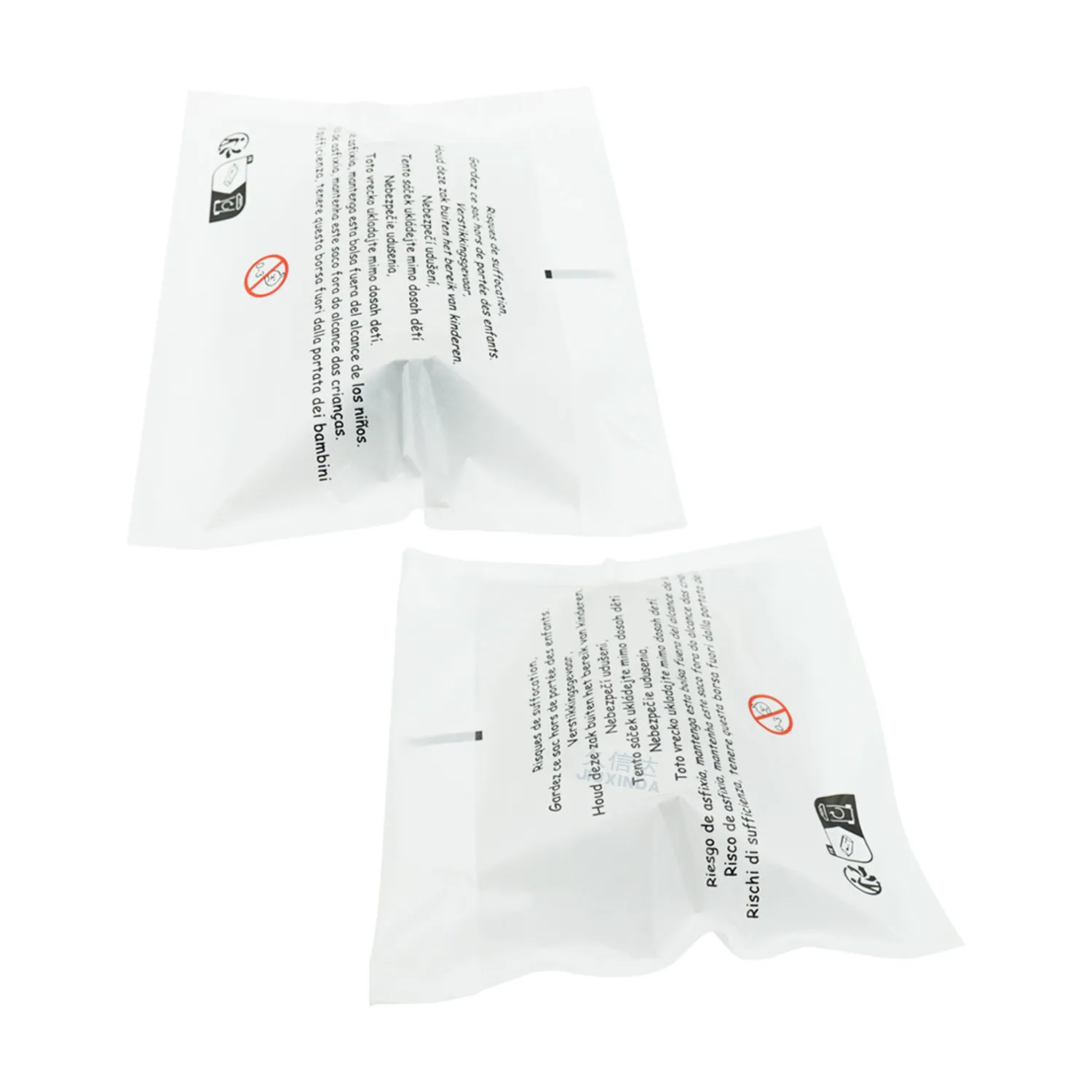
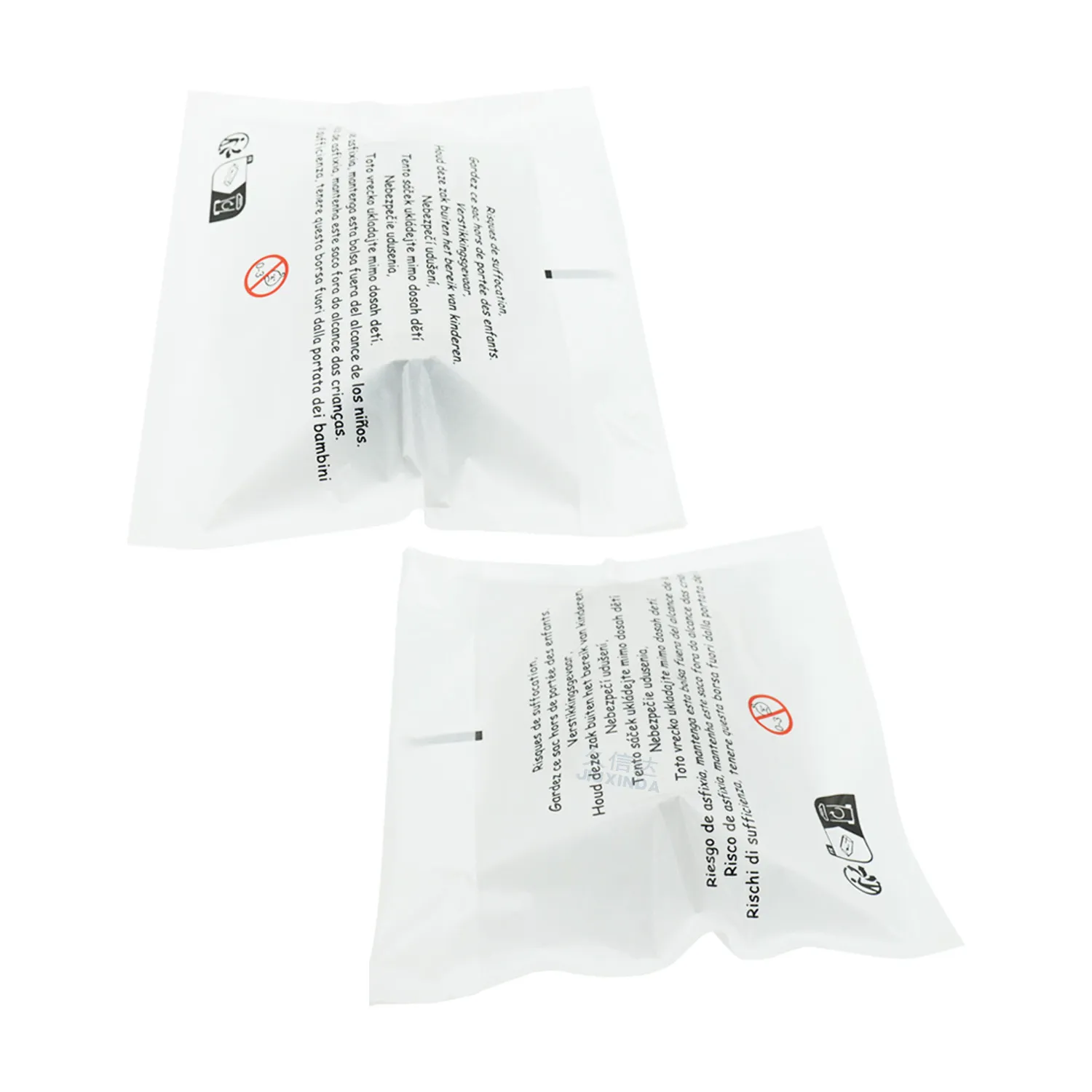
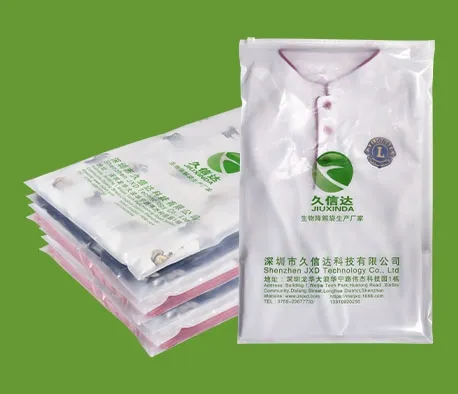
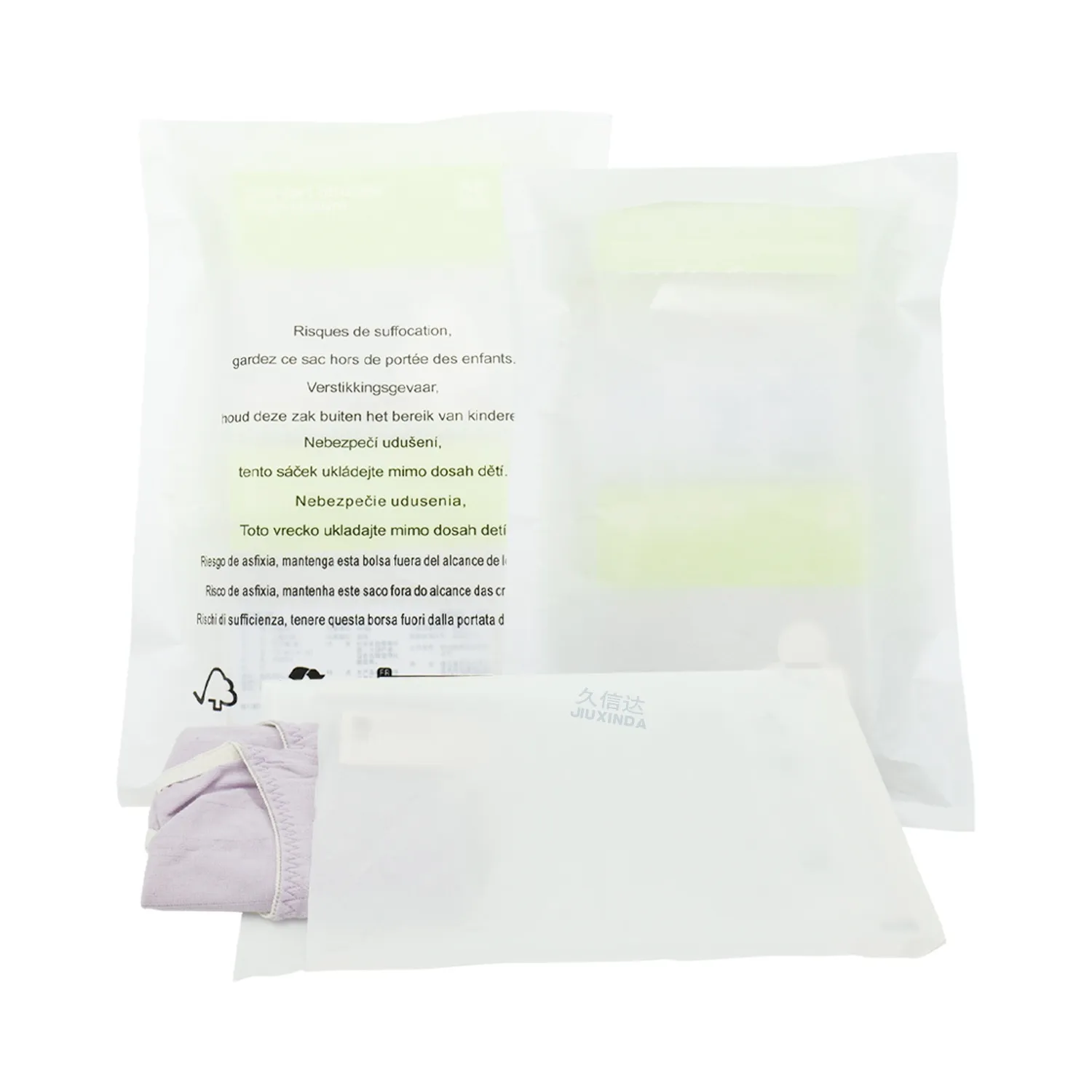
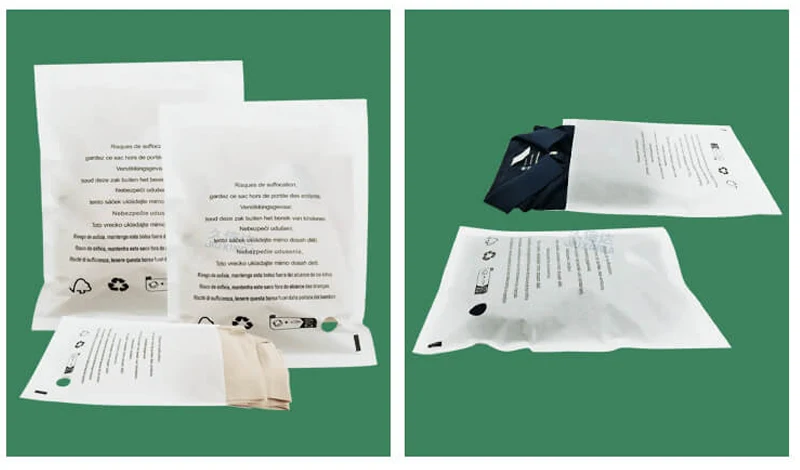
A practical option for T-shirts, shirts, trousers, knitwear and other folded garments. These bags can include resealable adhesive strips, ventilation holes, barcode areas, size markings and suffocation warnings.
Zip and Slider Bags
Designed for underwear, swimwear, sportswear, samples and garments that may be opened more than once. The resealable closure also allows consumers to reuse the bag for storage.
CPE Frosted Garment Bags
CPE bags provide a soft, semi-transparent appearance that balances product visibility with a more refined presentation. They are widely suited to underwear, loungewear, activewear and premium apparel collections.
Fibre Non-Woven Bags
A soft packaging option for suits, formalwear, shoes, bags and products requiring dust protection. Drawstring, handle and custom closure designs are available.
Glassine and Paper Garment Bags
Suitable for lightweight garments, lingerie, accessories and retail presentation. Paper weight, transparency, moisture resistance and closure style can be selected according to the product and distribution environment.
Apparel Mailing Bags
Developed for domestic and cross-border e-commerce shipments. Available features include strong seals, puncture-resistant film, water resistance and dual adhesive strips for customer returns.
Custom Sizes, Structures and Printing
A garment bag should be based on the dimensions of the folded product, not only the flat size of the clothing.
A shirt and a padded jacket may have similar folded lengths but require very different bag depth, film strength and sealing allowance. Garments with metal zippers, buttons, buckles or rigid tags may also require additional puncture resistance.
Customers may provide a garment sample, an existing bag or the folded product dimensions. We can then develop the following details:
Bag width and length
Film or material thickness
Opening direction
Adhesive strip position
Zip or press-seal closure
Gussets for thicker garments
Ventilation and hanging holes
Easy-open tear features
Dual-seal return structures
For collections with several styles and sizes, we can also help consolidate packaging into a smaller set of standard dimensions. This can simplify purchasing, inventory management and packing-line changes.
Custom printing is available for logos, brand graphics, size information, product codes, barcodes, QR codes, care instructions, environmental claims and safety warnings.
Before production, we check the artwork against the selected material and printing process. Barcode and QR-code samples should also be tested using the customer’s actual warehouse or retail scanning equipment.
From Sampling to Production
A typical custom garment packaging project begins with the product type, folded dimensions, target market, material preference, artwork and estimated order volume.
JXD Eco-packaging bag then recommends a suitable material and bag construction. Samples can be tested with the actual garment for fit, sealing strength, appearance, barcode readability and packing efficiency.
Once the sample is approved, the material, dimensions, thickness, printing, packing method and quality requirements are confirmed for production.
With production facilities in Shenzhen and Dongguan, JXD Eco-packaging bag operates equipment for film blowing, cast film, printing, slitting and bag making. Keeping the main processes under coordinated factory control helps maintain consistent dimensions, sealing quality, print placement and batch performance.
Information Required for a Quotation
To develop an accurate custom sustainable garment packaging solution, please provide:
Garment type and folded dimensions
Product thickness and weight
Packaging application
Destination countries or markets
Preferred recyclable, recycled-content or compostable material
Required bag style and closure
Ventilation, hanging or return-seal requirements
Artwork and printing colours
Estimated order quantity
Delivery location and packing requirements
If the final specification is not yet available, you may send us a garment sample, an existing packaging sample or a preliminary size sheet.
Develop Your Garment Packaging with JXD Eco-packaging bag
Whether you need recyclable apparel bags, compostable garment packaging, frosted CPE bags, non-woven dust bags or e-commerce mailing bags, JXD Eco-packaging bag can develop the material, size, structure and printing around your product.
Send us your garment dimensions, packaging sample or artwork to begin material evaluation and sampling.
Frequently Asked Questions
1. What types of sustainable garment packaging can JXD Eco-packaging customise?
JXD Eco-packaging produces recyclable PE garment bags, recycled-content packaging, compostable bags, CPE frosted bags, fibre non-woven bags, glassine bags, paper bags and apparel mailing bags. Materials and bag styles are selected according to the garment, sales channel and destination market.
2. Can you develop garment packaging for PPWR requirements?
Yes. We can support PPWR-oriented packaging development through simplified material structures, recyclable material options, reduced packaging weight and volume, recycled-content options and project-specific documentation.
Final compliance depends on the complete packaging specification, intended use and responsibilities of the economic operator placing it on the EU market. For this reason, each project should be reviewed individually before a PPWR compliance claim is made.
3. What is the difference between recyclable and compostable garment packaging?
Recyclable packaging is designed to enter an appropriate material collection and recycling system. Compostable packaging is intended to break down under specified composting conditions.
The correct option depends on the available waste infrastructure, destination market and environmental objectives of the brand. JXD Eco-packaging can help evaluate both options before sampling.
4. Can the size and structure be customised for different garments?
Yes. We customise the length, width, thickness, gusset, opening direction and closure according to the folded garment.
Optional features include self-adhesive strips, press seals, zippers, ventilation holes, hanging holes, easy-open features and dual adhesive strips for e-commerce returns. Customers may provide garment samples, existing bags or folded product dimensions.
5. Can you print our logo, barcode and environmental information?
Yes. Custom printing is available for logos, brand graphics, product details, size markings, barcodes, QR codes, safety warnings and environmental instructions.
Artwork, colours and environmental claims are reviewed before production. We recommend testing printed barcodes and QR codes with the scanning equipment used in the customer’s warehouse or retail system.
6. What certifications and supporting documents are available?
Depending on the selected material and product specification, relevant documents may include GRS,BPI, TÜV, EN 13432 and AS 4736 certification or testing information.
Certification applicability must be confirmed for the exact material, bag construction and order. JXD Eco-packaging will provide the documents available for review before the final packaging claims are approved.
BUYER QUESTIONS
Questions before requesting a quotation
Garment Packaging Solutio
Garment Packaging Solutio
Garment Packaging Solutio
Garment Packaging Solutio