
CUSTOM PACKAGING BAG MANUFACTURER
Custom Packaging Bags Built Around the Product You Pack
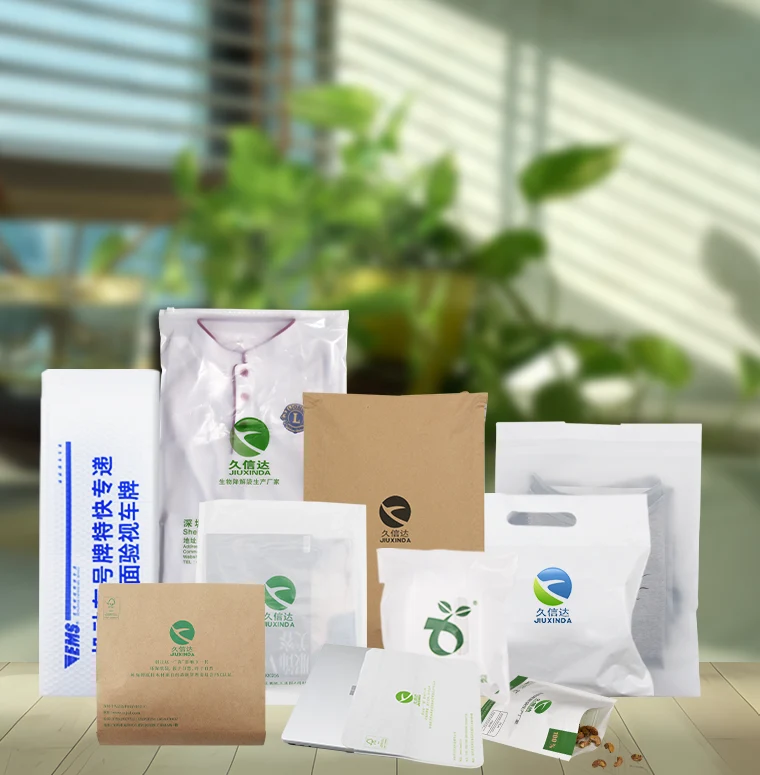
A useful quotation starts with the product, the packing line and the market where the bag will be sold. From there, JXD can work through material, bag style, size, thickness, color, printing, perforation and document needs, including recyclable poly bag projects.
- Material and structure selection
- Artwork and sample approval
- Bulk production and inspection
HOW CUSTOM WORK STARTS
The right brief saves a round of sampling
Two bags can share the same dimensions and still behave very differently. One may need a soft zipper for repeated opening. Another needs a destructive seal for shipping. A garment bag has to release trapped air. A bag for a polished electronic part has to avoid scuffing the surface.
Send the item size, weight, packing method, target quantity and destination market first. Material names can come later if your team has not chosen one.
JXD CUSTOM PACKAGING PROCESS
From packaging brief to repeat production
Each step has a clear approval point. That keeps the quotation, sample, artwork and finished order tied to the same specification.
- 01
Send the use case
Product, dimensions, weight, quantity, market and packing method.
- 02
Confirm the structure
Material, bag style, thickness, closure, print and required documents.
- 03
Approve artwork
Dieline, colors, warnings, codes and print position are signed off.
- 04
Review the sample
Check fit, opening, sealing, appearance and packing-line use.
- 05
Produce and inspect
Production follows the approved files and agreed inspection plan.
- 06
Pack and repeat
Shipping marks, records and approved versions support repeat orders.
MATERIAL CUSTOMIZATION
Choose material after the use conditions are clear
Protection, appearance, print method, disposal route and regulatory scope all affect the choice. We record the approved structure in the product specification.
Plant Fiber Material
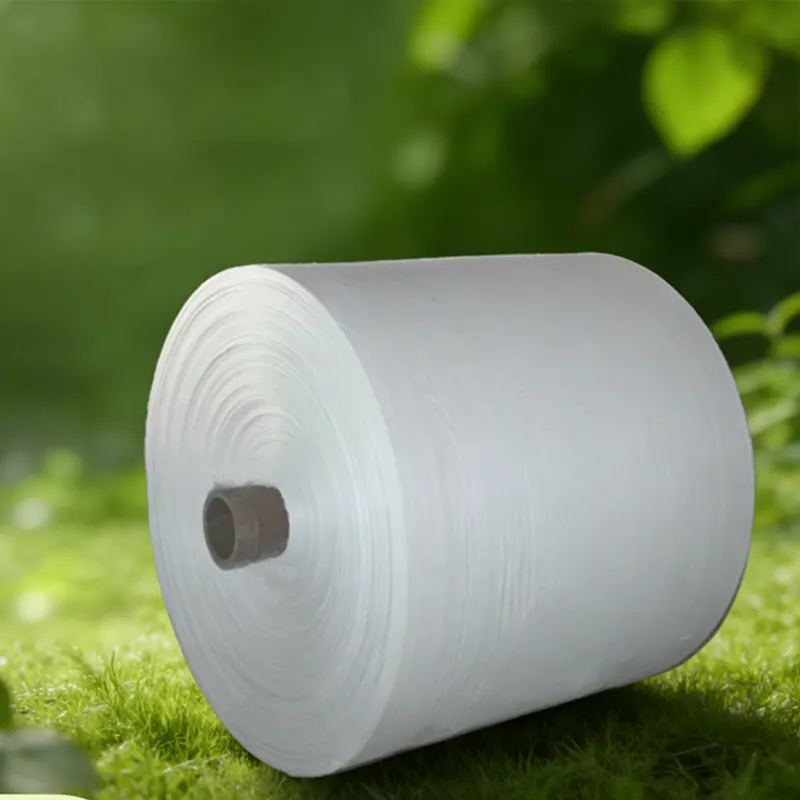
Made from wood pulp fibers, plastic-free, and eco-friendly.
Biodegradable Material
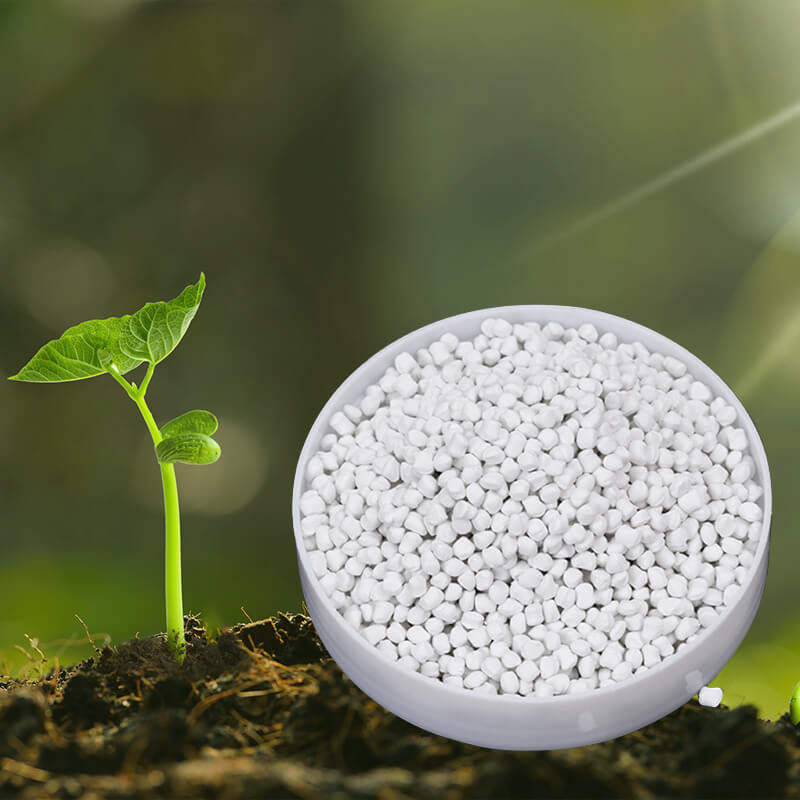
Corn starch, 100% biodegradable material.

Paper Material
Wood fiber is a renewable and recyclable raw material.
Recycled Plastic Material
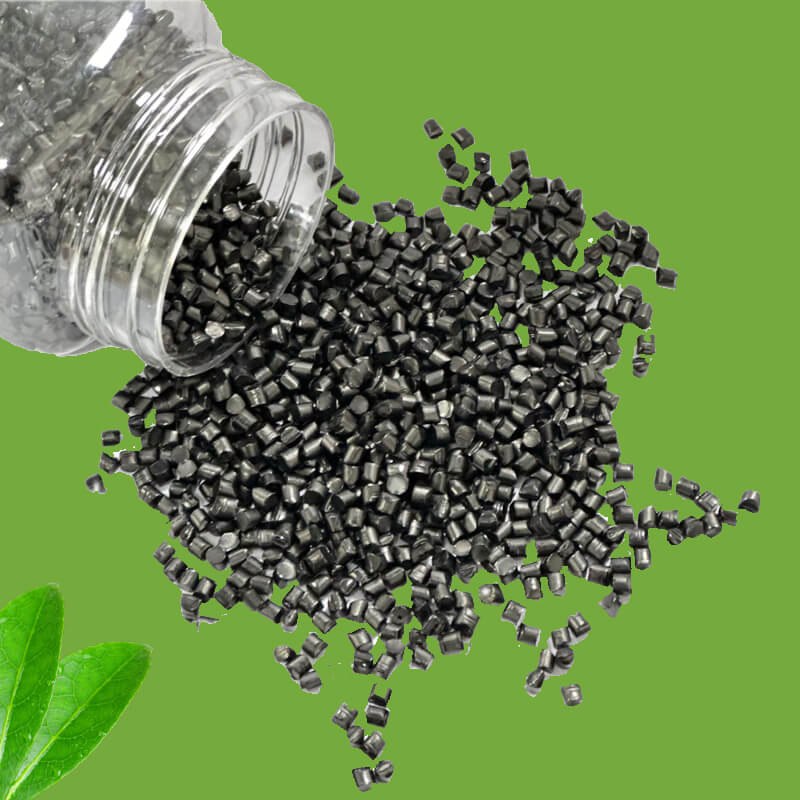
Post-consumer recycled plastic, GRS certified.
BAG STYLE CUSTOMIZATION
Pick the opening and closure your customer will use
The bag style controls packing speed, reseal use, display and tamper evidence. We can adjust dimensions, flap depth, zipper position, hanging details and print area.
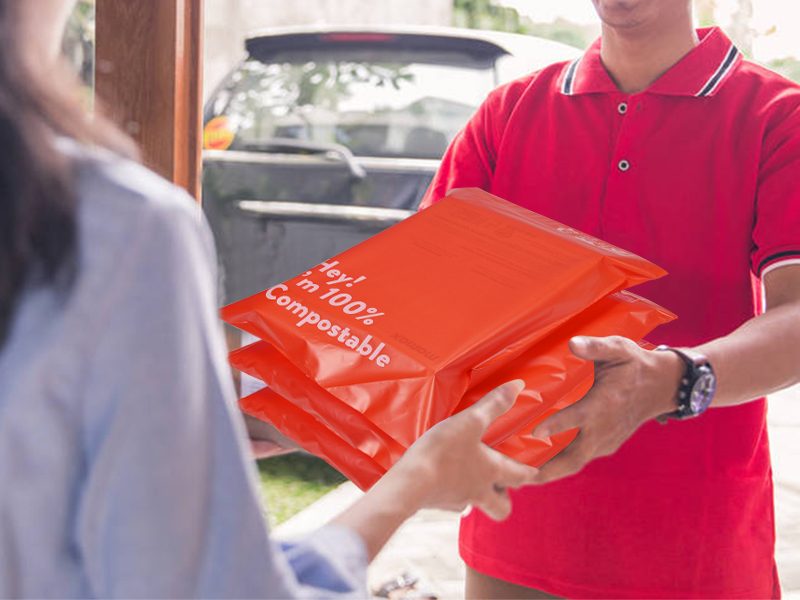
Biodegradable Packaging Bag
JXD biodegradable packaging bags have obtained European environmental certification and are fully biodegradable bags. We provide customers with personalized customization of biodegradable and environmentally friendly plastic bags. JXD packaging bags have been a manufacturer of biodegradable bags for 16 years
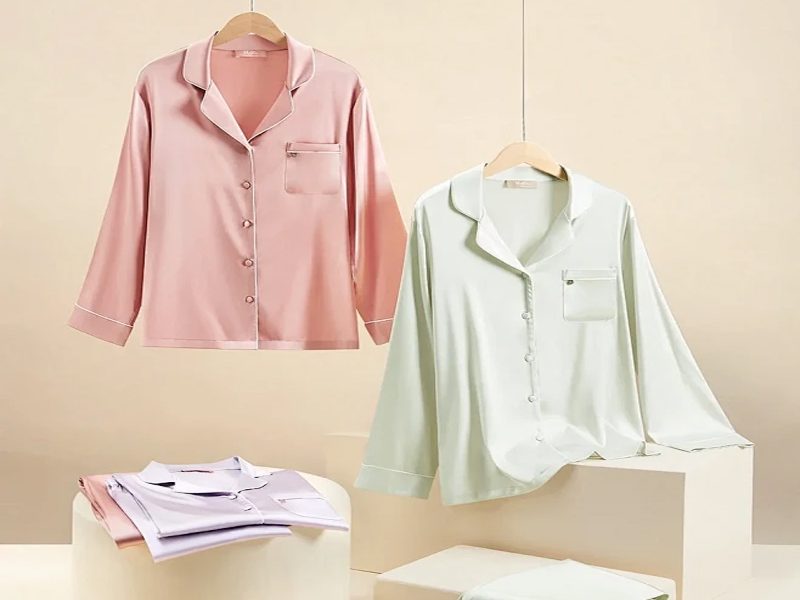
PCR Recycled Polybag
Premium custom PCR recycled polybags direct from factory. Made from post-consumer recycled materials, our eco-friendly polybags offer wholesale pricing with superior quality. 100% recyclable & sustainable packaging solution. MOQ 500pcs. Get free samples today!
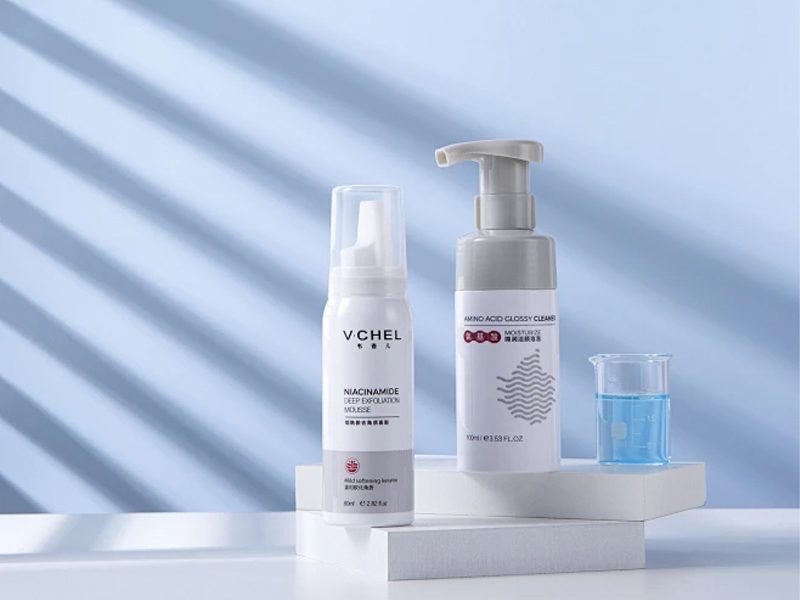
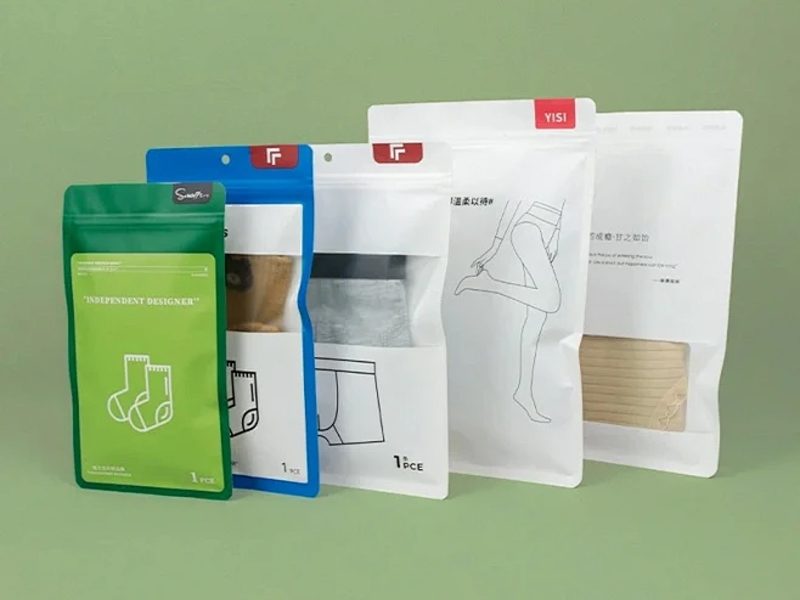
Plant Fiber Packaging Bag
Eco-friendly compostable non-woven bags factory. Logo printing, Pantone colors, custom sizes. BSCI certified. Low MOQ 1000pcs. Bulk pricing available.

WHAT CAN BE CUSTOMIZED
Put every approval point in one specification
Small details cause most repeat-order disputes. A signed drawing and reference sample give purchasing, production and inspection the same target.
Bag size
State whether the dimensions are internal or external. Record width, length, gusset, flap, closure position and opening. The drawing should also show the permitted tolerance and the packed-product clearance.
Approval point Signed drawing and fit test with the real item
Film or paper thickness
Use a clear unit such as microns, millimetres or mil. Confirm whether the value refers to one wall or the total bag, then agree the tolerance and measurement method.
Approval point Nominal thickness, tolerance and physical sample
Packaging material
Choose PLA and PBAT compostable film, plant fiber, recyclable or PCR plastic, or paper-based material according to protection, appearance, disposal route and the destination market.
Approval point Approved material structure, sample and applicable documents
Color and printing
Define clear, translucent, opaque, frosted or a custom base color, then confirm print sides, ink colors, coverage and artwork version. Include white backing, warning copy, barcode and QR code requirements where needed.
Approval point Material color sample, signed artwork and readable codes
Perforation and holes
Distinguish ventilation holes, micro-perforation, tear perforation, hanger holes and handle cut-outs. Record the size, count and position, then check that the change does not weaken the loaded bag.
Approval point Hole drawing and load or tear check
Certification alignment
Match the final material, ink, adhesive, zipper and other components to the certificate or report. Confirm the holder, scope, validity, destination market and permitted wording before artwork approval.
Approval point Document matrix linked to the final specification
PACKAGING BY INDUSTRY
The same bag will not suit every packing line
Industry changes what needs protection, what must appear on the print and how the bag is opened. These starting points help us ask better questions before sampling.

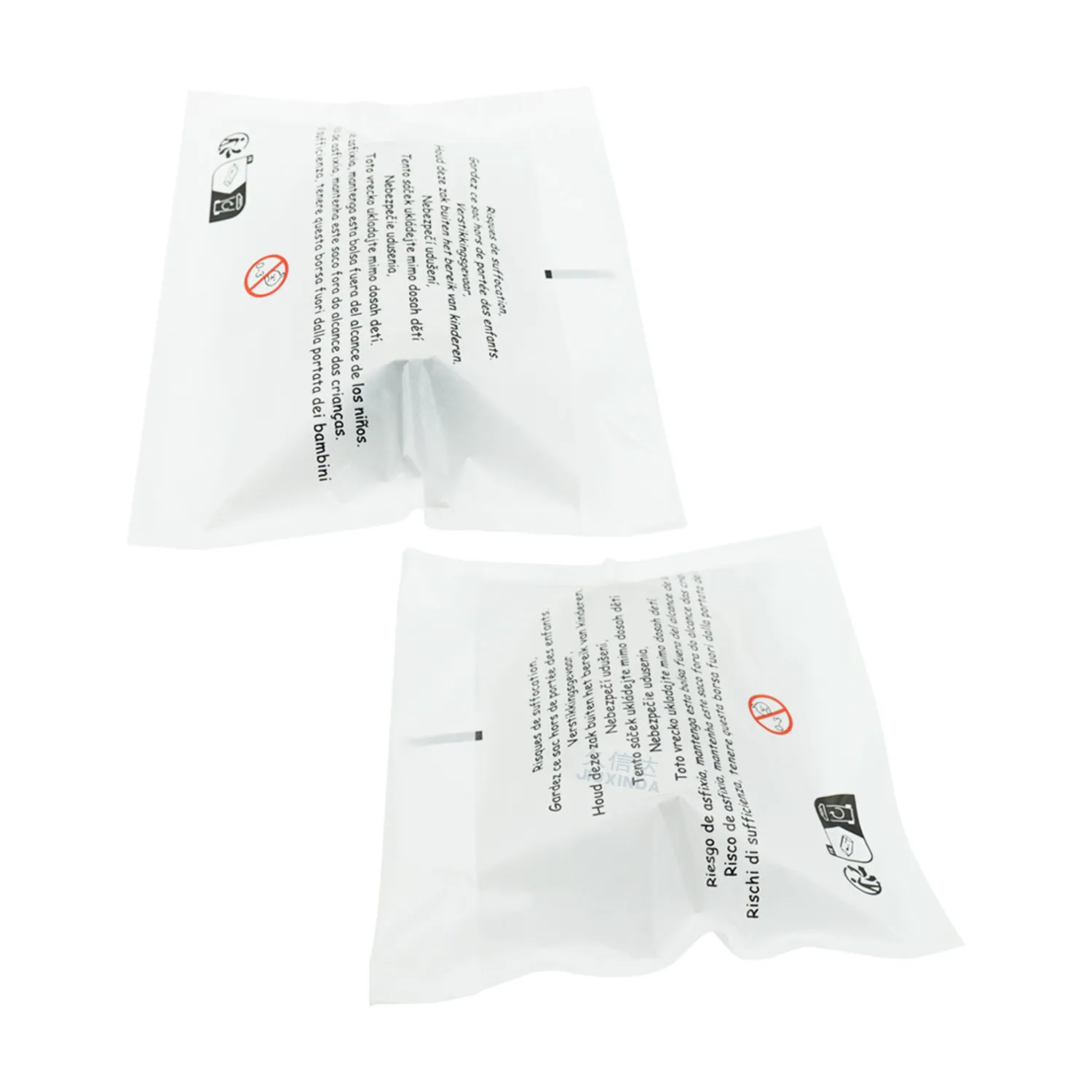
Custom PCR Recyclable Self-Sealing Bags for Mobile Phones
Our recyclable self-sealing bags are made from post-consumer recycled (PCR) plastic and are suitable for the inner packaging of mobile phones, phone cases, chargers, data cables, and other electronic accessories.
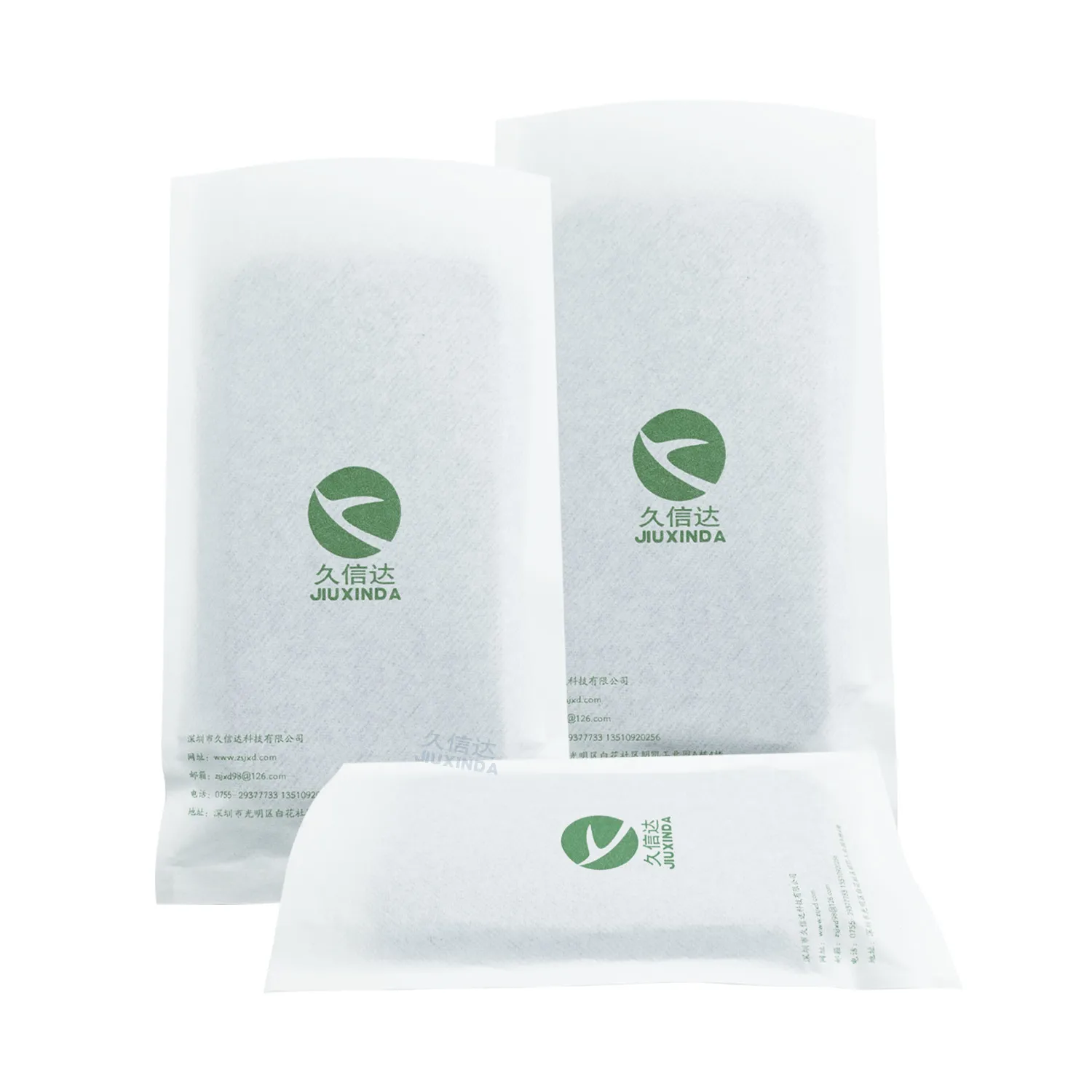
Hardware Glassine Paper Bags
Custom industrial glassine paper bags for hardware and precision metal parts packaging. Lint-free, high tensile & puncture resistant, dustproof, oil-proof and moisture-proof to prevent metal scratch, rust and contamination. Support custom size, structure and industrial logo/model printing. Assembly line compatible,...
Hardware Parts Glassine Paper Bag
Professional factory custom industrial glassine paper bags for hardware and precision metal parts. Lint-free, high toughness, puncture-resistant, dust-proof, oil-proof and moisture-proof to protect components from scratch, rust and contamination. Support custom size, structure and industrial marking printing. Compatibl...
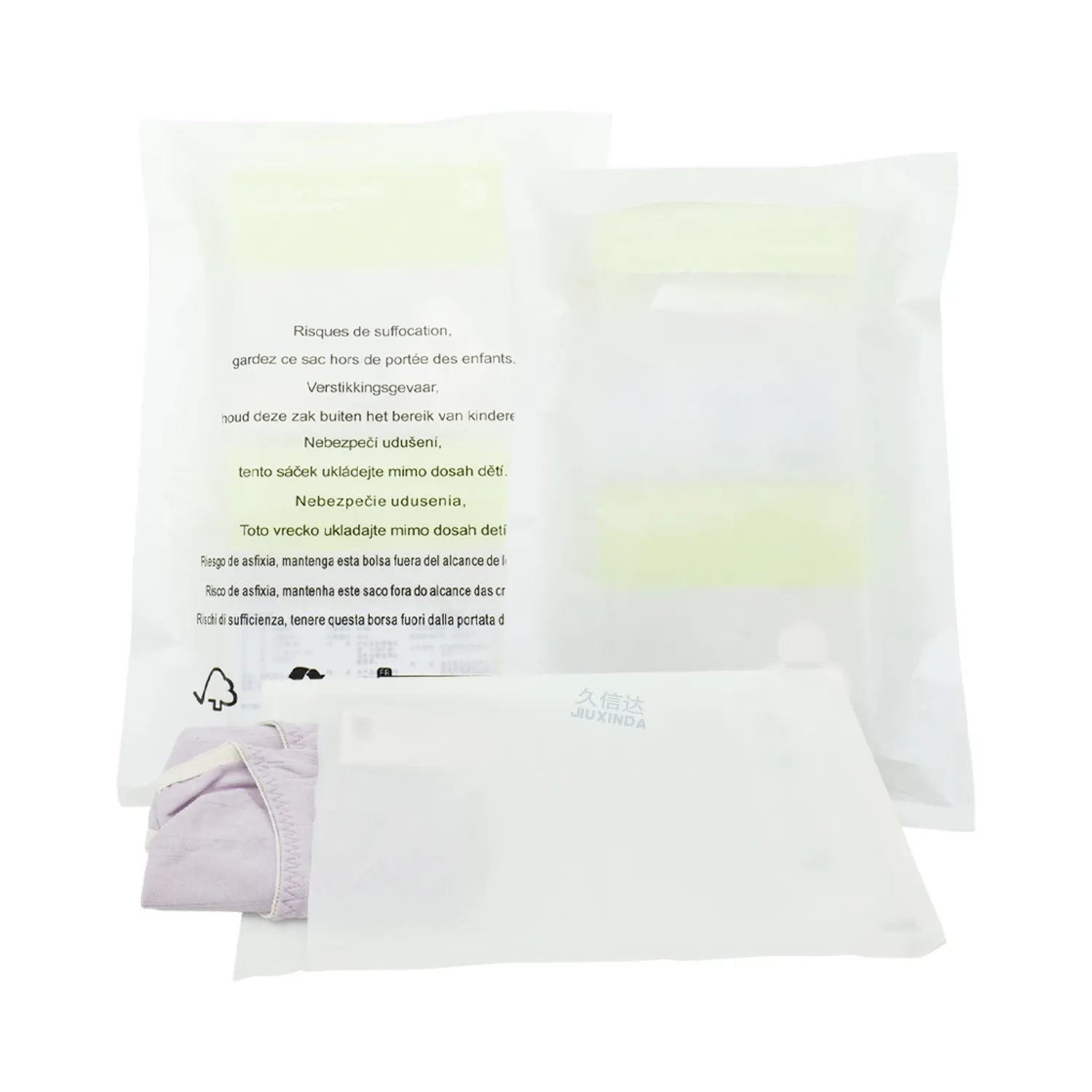
Lingerie Glassine Paper Bag
Professional factory custom lingerie glassine paper bags feature ultra-smooth, lint-free, breathable and dust-free properties, safe for intimate apparel packaging. Support custom size, structure and eco-friendly soy ink brand printing. No fabric scratching, no fading and anti-yellowing, perfectly for bra, underwear and...
Mobile Phone Soft-Touch Paper Bag
Professional factory custom soft-touch paper bags for mobile phones and 3C digital packaging. Featuring premium silky matte anti-fingerprint surface, dust-free, scratch-resistant and anti-static properties. Support custom size, structure and high-end brand printing. Compliant with RoHS and REACH standards, suitable for...
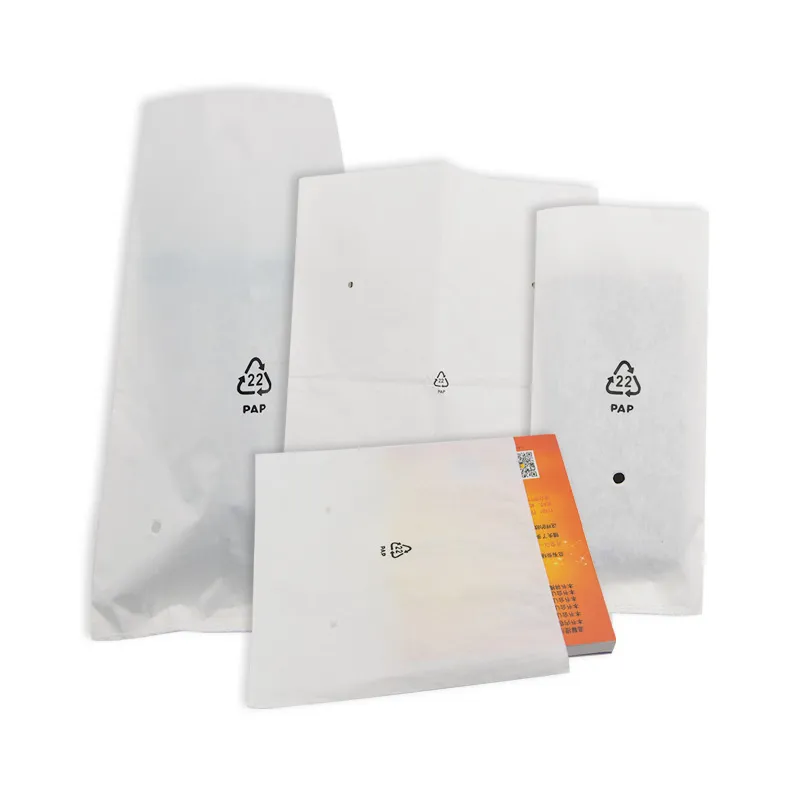
PAP Paper Bag
Professional factory custom PAP paper bags featuring high flatness, high density, dust-free and anti-static performance. Support customized size, structure and brand logo printing. Tear-resistant, no powder falling and eco-friendly, compliant with export standards. Optimized for automatic packaging lines, available wit...
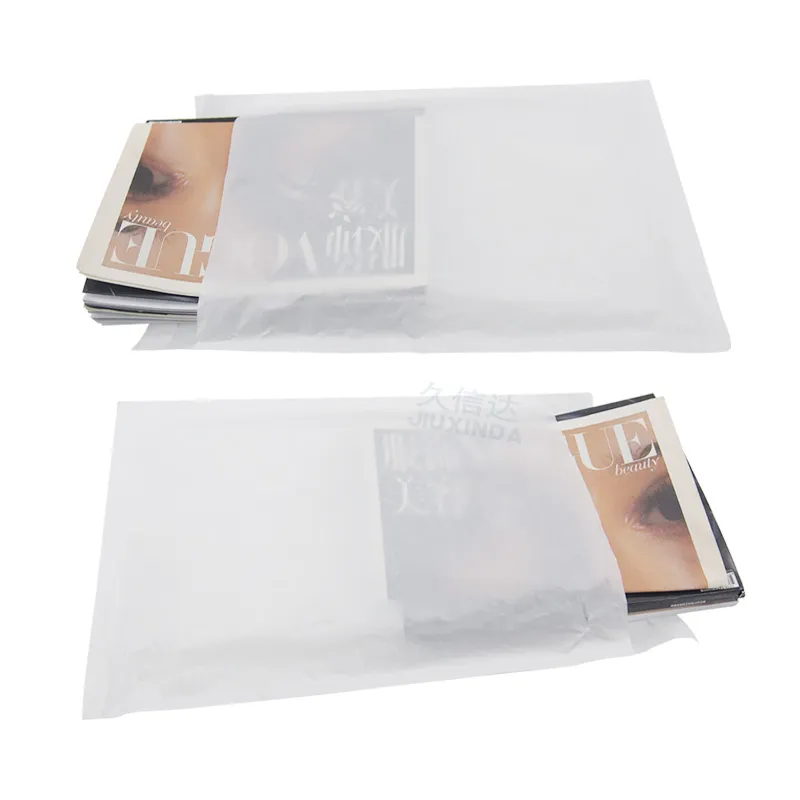
Glass Paper Bag
Professional factory custom glass paper bags with high transparency, high toughness and no fogging. Support customized size, structure, frosted finish and brand logo printing. Dust-proof, scratch-resistant and clean, ideal for garment, cosmetic and gift packaging. Featuring strict batch quality control, assembly line c...
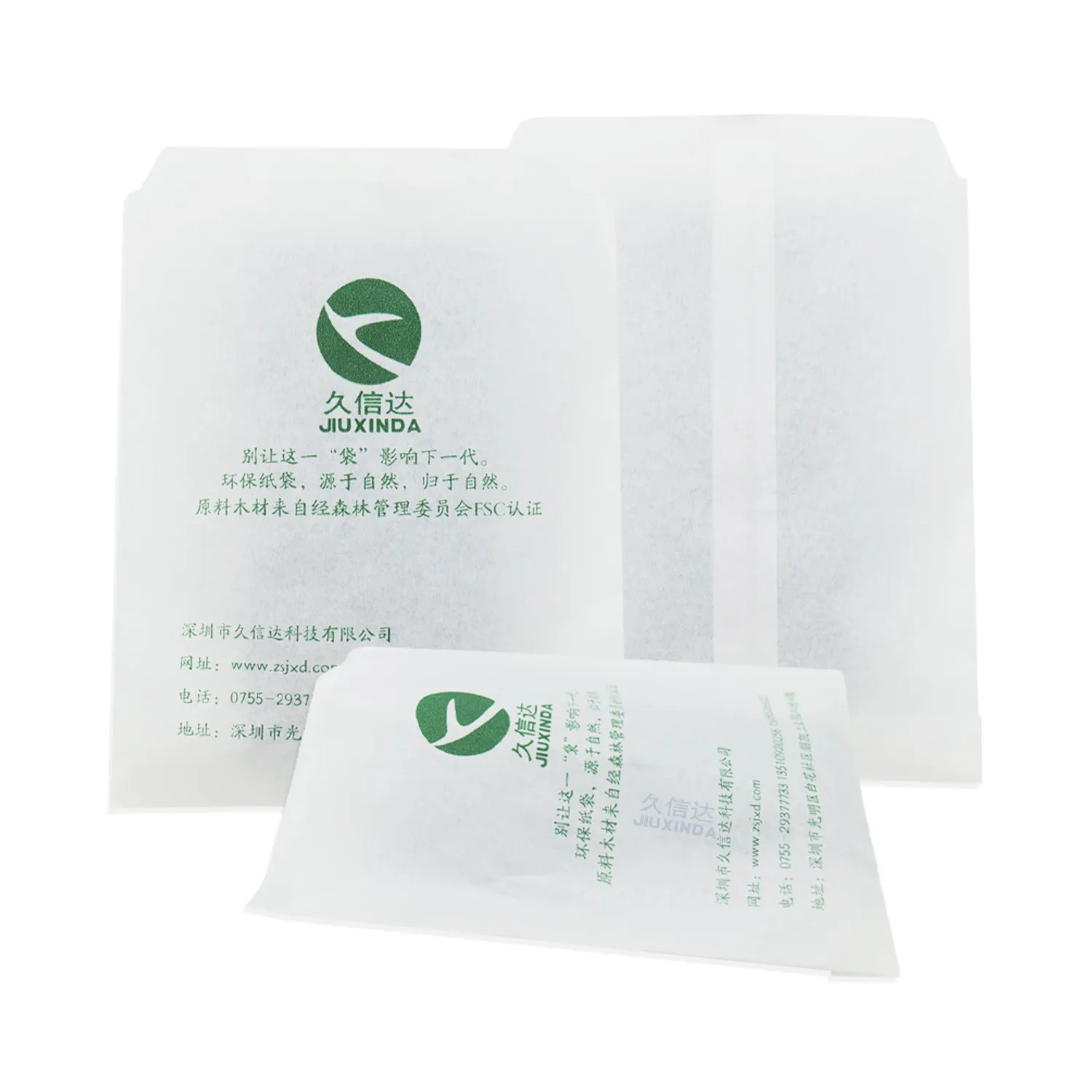
Power Bank PAP Paper Bag
Professional factory custom anti-static PAP paper bags for power bank and 3C electronic packaging. Adopting premium dust-proof, scratch-resistant and moisture-proof PAP material, these custom bags support personalized size, structure and brand logo printing. Compliant with RoHS and REACH export standards, suitable for ...
BEFORE MASS PRODUCTION
Six checks before approving custom packaging bags
A quotation can be commercially correct and still leave technical details open. Close these points before the purchase order and sample approval become the production reference.
- 01
Measure the packed product
Do not copy an old bag size without checking the current item. Confirm the usable internal space, insertion clearance and whether the dimensions include the flap or closure.
- 02
Separate performance from the environmental claim
The bag still has to seal, carry the load and survive storage. Confirm those needs before selecting compostable, recycled, recyclable or paper-based material.
- 03
Control units and file versions
Use one drawing with clear units, tolerances and revision number. Link it to the current artwork, quotation and approved sample.
- 04
Approve every printed statement
The buyer should confirm brand copy, warnings, disposal instructions, barcodes and certification marks for the destination market before plates or cylinders are made.
- 05
Test the sample in real use
Pack the actual product. Open, close, scan, stack and place it in the shipping carton. A visual review alone may miss a tight opening or weak seal.
- 06
Write the inspection standard
Agree the dimensions, appearance limits, print checks, closure tests, packing count and sampling method that will be used before shipment.
CERTIFICATION AND TEST DOCUMENTS
Confirm the scope before printing a claim
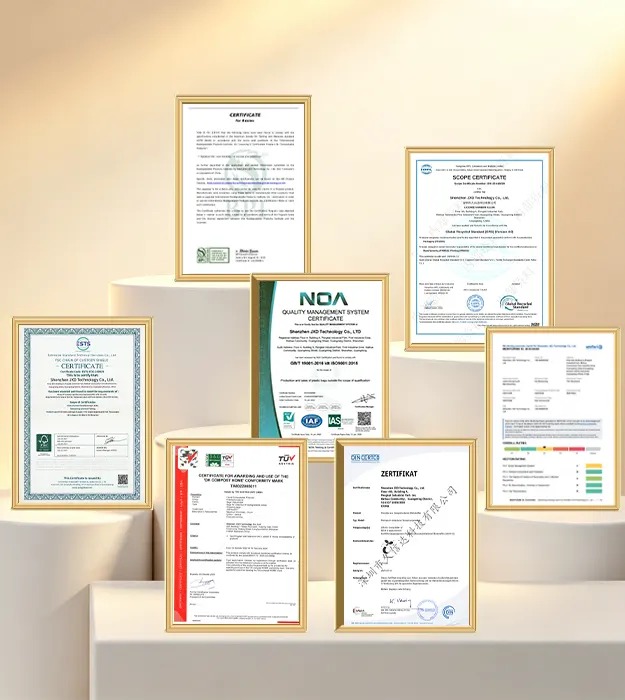
A standard, report, certification mark and chain-of-custody certificate do different jobs. Ask for the file that matches the final material, finished bag, certificate holder and sales market.
| Route | What the buyer should check |
|---|---|
| TÜV Austria OK compost INDUSTRIAL | Certification scheme, EN 13432 test basis, product scope and mark-use rules |
| TÜV Austria OK compost HOME | Certificate holder, grade or product covered, components and validity |
| DIN CERTCO | The applicable certification scheme and EN 13432 evidence. “DIN 6400” should not be used as a substitute for an exact certificate reference |
| GRS | Recycled-content scope, certified organization and chain-of-custody records |
| Eco-Certification | Paper source, license code, product group and trademark approval |
| BPI | Certified item listing and the applicable ASTM D6400 or D6868 route |
| AS 4736 | Australian commercial composting scope and finished-product coverage |
| Document | Use in a packaging project |
|---|---|
| REACH | Restricted-substance information for the supplied materials and relevant articles |
| RoHS | Relevant mainly when packaging is specified within an electrical or electronic product compliance program |
| AS 4736 | A compostability standard, not a general product-safety certificate. Check it under the environmental claim route |
FACTORY AND QUALITY CONTROL
One approved specification from sample to repeat order
JXD was established in 2010 in Shenzhen. The factory supports material handling, printing, bag making, inspection and packing for custom projects. The exact production route depends on the chosen material and bag construction.
- Incoming material checkGrade, appearance and documents checked against the purchase specification
- Process controlDimensions, print position, sealing and closure checked during production
- Final inspectionAppearance, count, packing and agreed performance items sampled before shipment
- Repeat-order controlDrawing, artwork version, reference sample and order records kept aligned


BUYER QUESTIONS
Before you request a custom bag quote
The most useful first message includes the item you pack and how the bag will be used. A material name on its own rarely gives enough information.
What should be approved before custom packaging bag production?
Approve one revision-controlled set containing the bag drawing, dimensions and tolerances, material structure, artwork, printed claims, physical sample, inspection standard, packing method and required documents.
What information is needed to quote a custom packaging bag?
Share the packed product, bag dimensions, material preference, closure, thickness, printing, quantity, destination market and required test documents. If some details are unknown, begin with the product and use conditions.
Can JXD customize both the material and bag style?
es. A project can combine a selected material with a flat, press-to-close, zipper, self-adhesive, drawstring or other structure after manufacturing and performance review.
Can I approve a sample before bulk production?
Yes. The sampling route depends on the material, print method and construction. Approve the drawing, artwork and physical reference before production.
Are all custom bags covered by the same environmental certification?
No. Certification applies to a defined material or product, certificate holder and test scope. Match the applicable file to the final construction and destination market.
What can be checked during packaging bag inspection?
The agreed inspection plan may cover dimensions, thickness, appearance, print position and color, closure operation, seal strength, barcode readability, packing count and carton marks.
Do you support repeat orders for multiple sizes or SKUs?
Yes. Approved drawings, artwork versions, samples and order records can control repeat production across sizes and SKUs.
What should be confirmed for a recyclable poly bag?
Confirm the polymer family, mono-material target, recycled-content requirement, closures, inks, labels and additives, collection route, destination-market claim and the evidence needed to support recyclability or recycled content.
START WITH THE PRODUCT
Tell us what goes inside the bag
Attach or describe the product, then add the quantity, destination and any known dimensions. We can work through the missing specification with you.
info@jxdeco-packaging.com+86-180-2549-71654th Floor, Building A Pengkai Industrial Park, Guangming District, Shenzhen City, ChinaPage owner
JXD Packaging Custom Project Team