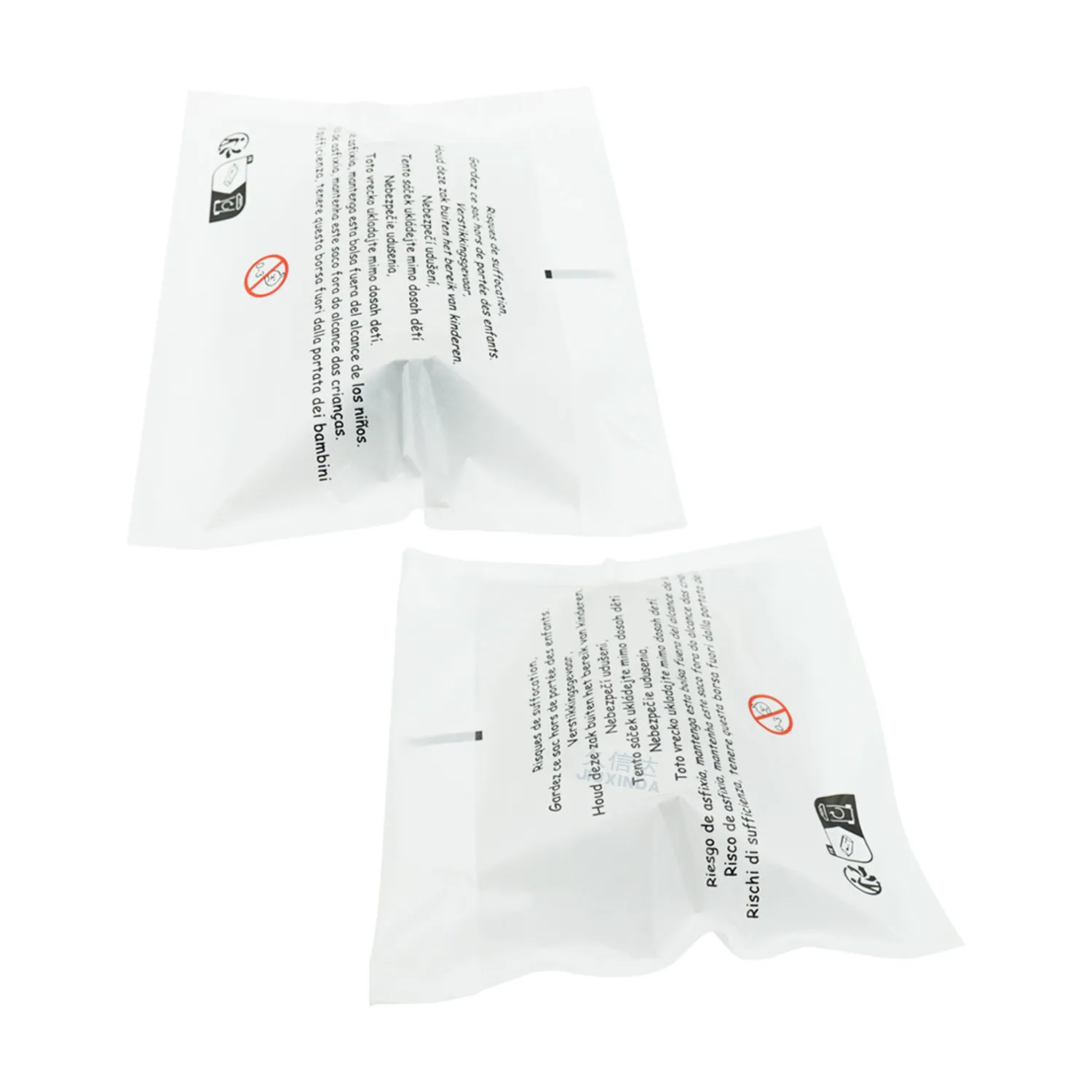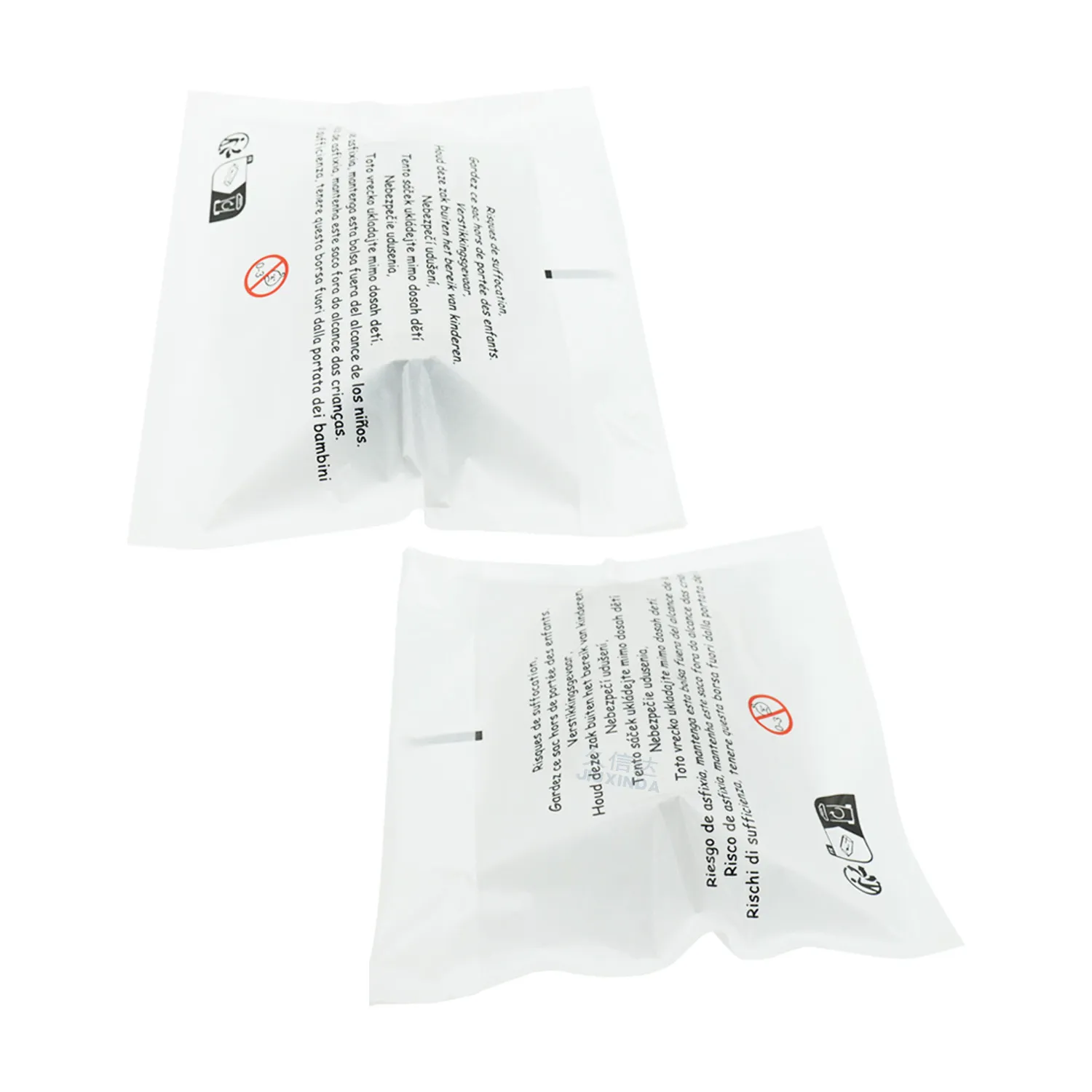
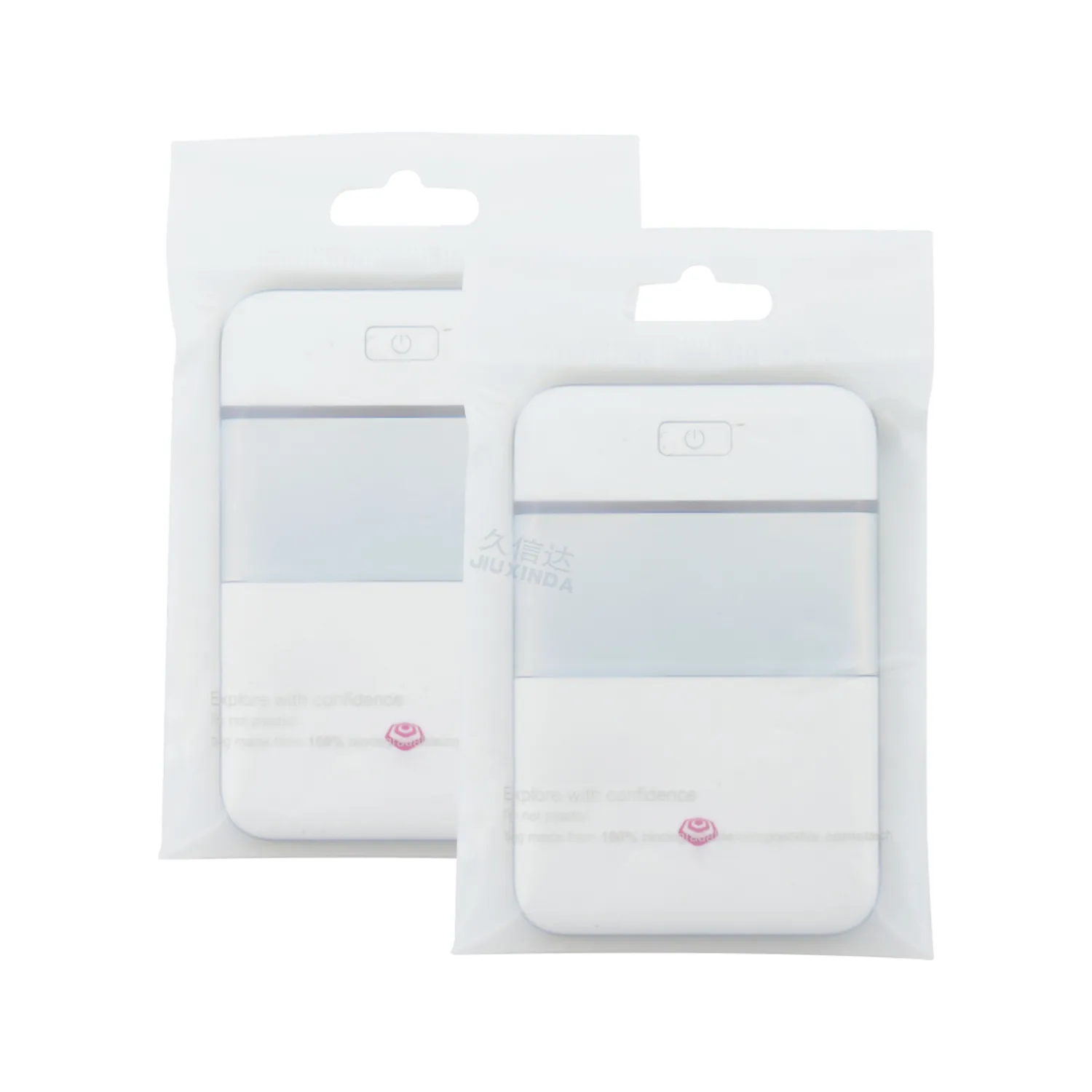
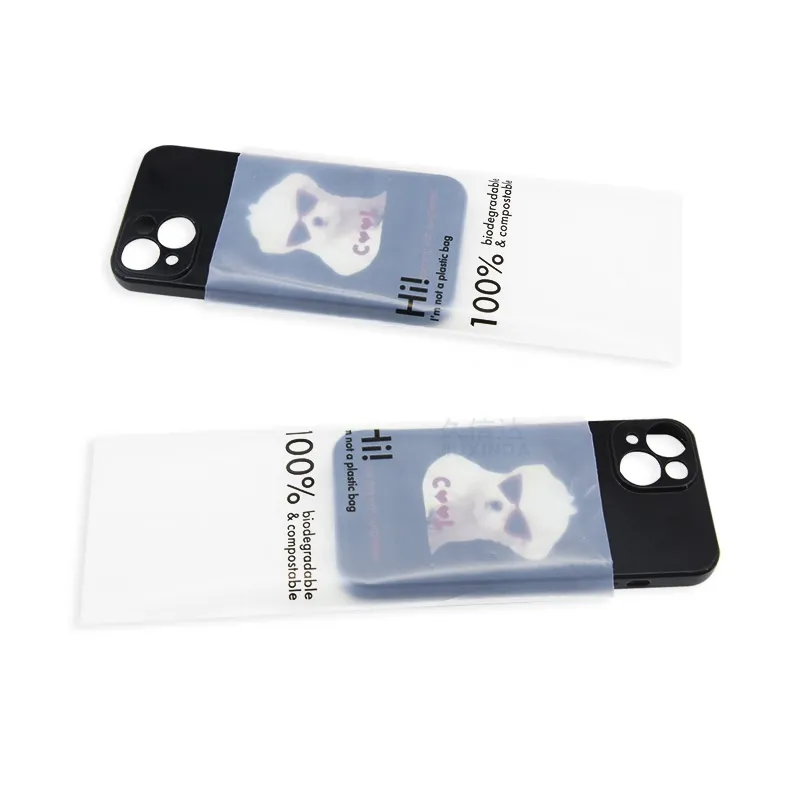
Transparent biodegradable bags stand out in the green packaging market for their unique combination of clear visual display and full eco-compatibility. Unlike matte kraft packaging or opaque degradable pouches, transparent biodegradable bags allow customers to view inner products directly while complying with global plastic restriction policies. They are widely used for food packaging, daily necessities, cosmetic accessories and retail goods. For B2B procurement buyers, sourcing ideal transparent biodegradable bags requires more precise screening than regular packaging, as both transparency clarity and degradation performance must be guaranteed. This guide shares practical supplier selection methods, custom requirement details, and key procurement notes from real buyer perspectives.
Practical Standards to Select Trusted Transparent Biodegradable Bag Manufacturers
Transparent biodegradable packaging has higher production thresholds than ordinary degradable bags. The clarity, flatness and molecular stability of transparent materials demand professional formula debugging and precision production equipment. Ordinary degradable bag factories often produce foggy, yellowish or brittle transparent bags, failing retail display standards. Buyers need to focus on three core factory strengths during selection.
First, check professional transparent degradable material technology. Qualified manufacturers adopt optimized PLA and PBAT transparent blending formulas, which ensure high light transmittance, no fogging, and excellent material toughness. Avoid factories that use recycled degradable particles, as such materials inevitably cause blurred transparency and poor appearance.
Second, confirm dedicated production equipment. Professional suppliers equip precision film blowing machines and dust-free production workshops. Dust and tiny impurities during production will directly damage the clarity of transparent bags, so standardized clean production is a must. Factories with open ordinary workshops cannot meet high-grade transparent packaging requirements.
Third, verify mature custom project experience. Transparent biodegradable bags are mostly customized for brand retail. Experienced manufacturers are familiar with brand display demands, able to balance high transparency, anti-scratch performance and degradable effect, with stable mass production capabilities for long-term orders.
Essential Information You Need to Prepare for Custom Production
Different from universal in-stock packaging, transparent biodegradable bags require accurate custom parameter confirmation before production. Incomplete information will lead to repeated samples, delayed delivery and inconsistent finished products. Buyers need to sort out clear custom details and deliver complete requirements to manufacturers.
First, confirm core product specifications. Include exact bag width, height, bottom thickness, and edge sealing style. Buyers also need to clarify usage scenarios to help factories recommend the most suitable thickness standard, avoiding overly thin bags that are easy to stretch or redundant thick materials that increase costs.
Second, define transparency and functional demands. State whether you need full ultra-transparent, high-clarity or slightly anti-fog transparent effect. For food and daily product packaging, specify additional functions such as moisture-proof, anti-static, dust-proof and fresh-keeping performance to match product storage needs.
Third, sort out printing and brand customization requirements. Transparent bag printing requires eco-friendly transparent ink to avoid blocking the visual effect. Buyers need to provide vector LOGO files, printing position, color requirements, and surface finishing needs (glossy or anti-scratch coating). Meanwhile, confirm order quantity, sample making requirements and delivery cycle for factory scheduling.
Key Procurement & Quality Inspection Precautions
Transparent biodegradable bags are more sensitive to process errors and material defects. Tiny flaws that are invisible on opaque bags will completely expose on transparent surfaces. Buyers must strictly check key details during sampling and mass delivery to avoid batch quality risks.
First, inspect visual appearance and material purity. Qualified finished bags should have high transparency, uniform texture, no foggy haze, no black spots, bubbles, scratches or particle impurities. No yellowing or color deviation is allowed, ensuring a clean and high-end retail display effect.
Second, test physical and degradable performance. Conduct tensile, sealing and drop tests to confirm the bags are not easy to crack or leak. Meanwhile, verify batch degradation test reports to ensure the products can be fully composted without residual pollution, meeting local environmental supervision standards.
Third, check printing accuracy and durability. Custom printed patterns and logos must be clear, with accurate color matching and no ink falling, ghosting or offset. The printing layer should fit closely with the transparent film without affecting the overall light transmission effect.
Hidden Risks to Avoid in Long-Term Cooperation
Many buyers encounter unstable batch quality and false degradable problems in long-term procurement of transparent biodegradable bags. Unlike ordinary packaging, transparent products cannot cover material defects, making long-term supplier stability particularly important.
Beware of low-price shoddy material replacement. Some manufacturers reduce costs by mixing non-degradable transparent particles. Such bags look clear visually but cannot degrade normally, bringing brand green credibility risks and policy penalties.
Avoid batch consistency deviation. Transparent degradable materials are sensitive to temperature and process parameters during production. Unprofessional factories have inconsistent transparency and toughness in different batches, resulting in messy brand packaging styles.
Confirm professional packaging and transportation protection. Transparent bags are easy to scratch and stain during transportation. Reliable manufacturers adopt independent dust-proof packaging and layered protection to ensure intact delivery of each batch of products, with complete after-sales solutions for defective products.
Conclusion
Transparent biodegradable bags are premium green packaging solutions that balance product display and environmental protection. Successful procurement depends on professional manufacturer screening, complete custom parameter preparation, strict quality inspection and long-term risk prevention. By standardizing every procurement link, buyers can obtain high-clarity, fully degradable and brand-matched packaging products, helping brands stand out in the green consumer market.
BUYER QUESTIONS