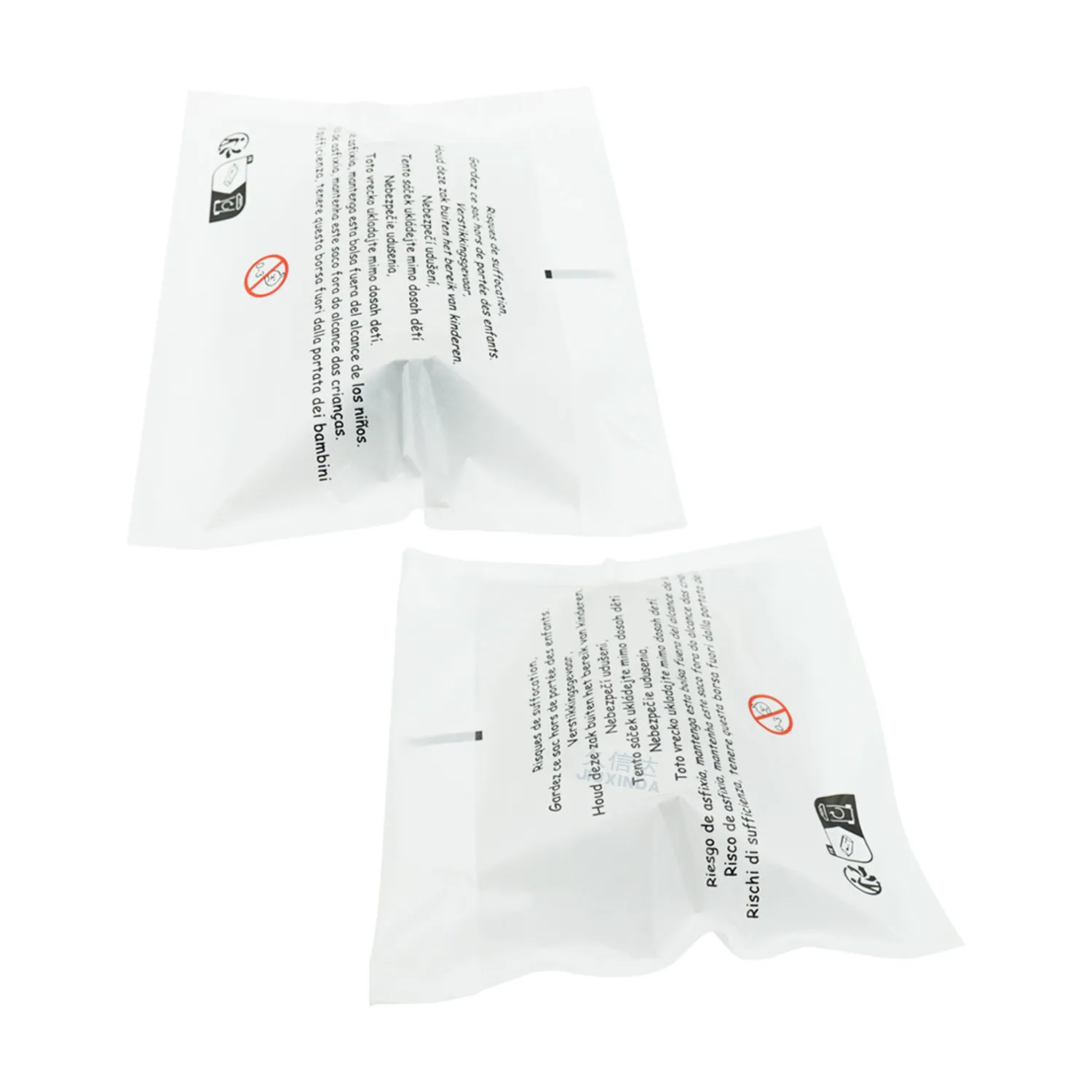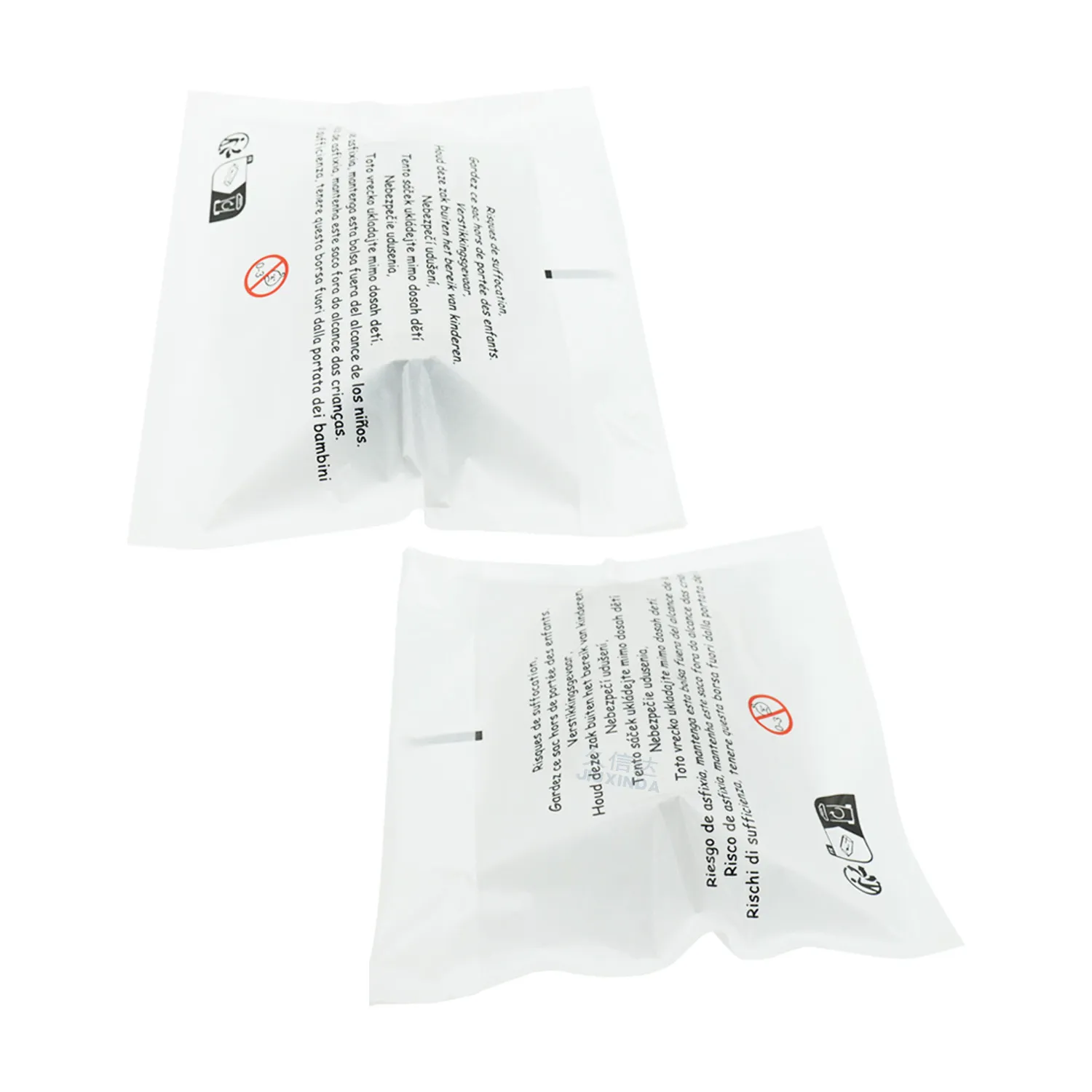
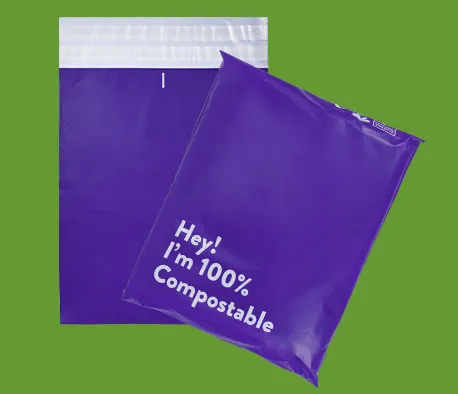
As global green logistics policies tighten and consumer eco-awareness rises, biodegradable shipping bags have rapidly replaced traditional plastic courier bags as the mainstream shipping packaging for cross-border and domestic e-commerce brands. Unlike ordinary packaging bags designed for static storage, biodegradable shipping bags are engineered for long-distance transportation, stacking, and extrusion resistance. For procurement managers and brand sellers, choosing the right supplier and matching bag specifications to your product lines can effectively reduce shipping damage, meet environmental compliance requirements, and elevate brand green positioning. This guide focuses on actual sourcing demands, clarifies applicable product categories, core manufacturer selection logic, and key procurement precautions.
Suitable Product Categories for Biodegradable Shipping Bags
Many buyers blindly switch to biodegradable shipping packaging without clarifying application scenarios, resulting in insufficient protection or excessive packaging costs. Biodegradable shipping bags feature flexible structure, good toughness, moisture resistance and full compostability, with clear matching product ranges suitable for mainstream e-commerce shipping businesses.
They are the perfect shipping solution for soft textile and apparel products, including garments, swimwear, socks, scarves, bedding and fabric accessories. The flexible material avoids squeezing and wrinkling soft goods, while the tight sealing design prevents dust and moisture during transit. Meanwhile, their lightweight property helps brands cut down logistics weight fees compared with carton packaging.
These eco-friendly shipping bags also fitdaily consumer goods and beauty accessories, such as toys, stationery, mobile phone cases, hair accessories, skincare outer packages and non-fragile cosmetic sets. The excellent tensile and puncture resistance can resist daily friction and extrusion in courier sorting and transportation processes.
In addition, they are widely applicable for industrial small parts and packaged dry goods, including hardware accessories, plastic parts, printed documents, stickers and packaged dry snacks. It is worth noting that biodegradable shipping bags are not recommended for fragile glass products, liquid goods or ultra-heavy items, which require customized thickened or composite biodegradable packaging for enhanced protection.
Unique Standards for Selecting Biodegradable Shipping Bag Manufacturers
Sourcing biodegradable shipping bags is completely different from purchasing ordinary plastic packaging. Qualified shipping-grade biodegradable bags require professional formula ratio and logistics-level process treatment, so general degradable packaging factories often fail to meet courier shipping standards. Buyers need to focus on exclusive manufacturing capabilities during supplier screening.
First, verify logistics-grade production experience. Reliable manufacturers specialize in shipping and courier packaging, and optimize bag toughness, sealing strength and low-temperature resistance specifically for long-distance logistics, cross-border transportation and seasonal temperature changes. Factories focusing only on food degradable bags usually produce thin and low-toughness products that are easy to tear during delivery.
Second, confirm independent material formula and production technology. High-quality biodegradable shipping bags adopt optimized PLA and PBAT blended formulas, balancing full degradation performance and shipping durability. Professional manufacturers can adjust material thickness and flexibility according to shipping scenarios to avoid the common defects of ordinary degradable bags, such as brittleness in cold weather and easy stretching in high temperature.
Third, evaluate batch shipping stability and customization capacity. Excellent suppliers support custom sizes, logo printing, matte finish and thickened reinforcement for shipping bags. They maintain consistent material tension and sealing strength in mass production, ensuring no batch difference that may affect unified brand shipping packaging standards.
Must-Check Compliance & Performance Before Placing Bulk Orders
Compliance and performance testing are the core barriers to avoid sourcing failure. Many buyers encounter problems such as non-degradable fake eco-bags, easy bag breakage, and customs clearance failure due to insufficient pre-order inspection. Targeted verification is essential for biodegradable shipping bag procurement.
First, check complete international degradation certifications. For cross-border shipping, manufacturers must provide authoritative test reports including EN13432, ASTM D6400 and OK Compost certification. These certificates prove the bags can be fully composted under industrial and natural conditions, meeting EU and US market environmental access standards and avoiding policy penalties.
Second, conduct simulated shipping performance tests. Before mass production, test the bag’s tear resistance, self-adhesive sealing firmness and drop resistance. Qualified biodegradable shipping bags will not crack or leak after repeated extrusion and falling during courier sorting, and the self-sealing adhesive remains firm without opening during long-distance transportation.
Third, inspect environmental and safety indicators. Confirm the products are non-toxic, odor-free, heavy-metal-free and meet international REACH and RoHS standards, ensuring safe packaging for daily consumer goods and avoiding product contamination risks.
Key Procurement & Long-Term Cooperation Precautions
Biodegradable shipping bags have higher production costs and stricter process requirements than traditional plastic bags. Buyers need to avoid industry traps and optimize long-term supply chain management through standardized procurement rules.
Stay away from low-cost shoddy products. Some unregulated manufacturers mix ordinary plastic particles into degradable materials or reduce material thickness to cut costs. Such fake biodegradable bags cannot be degraded normally and are prone to large-area cracking during shipping, resulting in product loss and customer complaints.
Reserve reasonable production cycles. Compared with ordinary plastic bags, biodegradable shipping bags require longer material processing and film forming cycles. Buyers need to arrange orders in advance to avoid delayed shipping peak seasons and e-commerce promotion delivery schedules.
Confirm complete after-sales and quality assurance terms. Formal manufacturers clearly stipulate the defective product replacement rate, batch quality guarantee and rework cycle in contracts. For unqualified products such as poor sealing, brittle bags and printing errors caused by production problems, reliable suppliers provide free replacement and compensation services to ensure zero loss for buyers.
Conclusion
Biodegradable shipping bags are the core green packaging solution for modern sustainable e-commerce and cross-border logistics. Successful procurement relies on accurate product scenario matching, professional shipping-grade manufacturer screening, strict compliance and performance testing, and standardized long-term cooperation management. By selecting qualified and experienced manufacturers, brands can achieve environmentally compliant shipping, reduce logistics damage rates, and build a responsible and high-end corporate brand image in the global green consumption trend.
As global green logistics policies tighten and consumer eco-awareness rises, biodegradable shipping bags have rapidly replaced traditional plastic courier bags as the mainstream shipping packaging for cross-border and domestic e-commerce brands. Unlike ordinary packaging bags designed for static storage, biodegradable shipping bags are engineered for long-distance transportation, stacking, and extrusion resistance. For procurement managers and brand sellers, choosing the right supplier and matching bag specifications to your product lines can effectively reduce shipping damage, meet environmental compliance requirements, and elevate brand green positioning. This guide focuses on actual sourcing demands, clarifies applicable product categories, core manufacturer selection logic, and key procurement precautions.
Suitable Product Categories for Biodegradable Shipping Bags
Many buyers blindly switch to biodegradable shipping packaging without clarifying application scenarios, resulting in insufficient protection or excessive packaging costs. Biodegradable shipping bags feature flexible structure, good toughness, moisture resistance and full compostability, with clear matching product ranges suitable for mainstream e-commerce shipping businesses.
They are the perfect shipping solution for soft textile and apparel products, including garments, swimwear, socks, scarves, bedding and fabric accessories. The flexible material avoids squeezing and wrinkling soft goods, while the tight sealing design prevents dust and moisture during transit. Meanwhile, their lightweight property helps brands cut down logistics weight fees compared with carton packaging.
These eco-friendly shipping bags also fitdaily consumer goods and beauty accessories, such as toys, stationery, mobile phone cases, hair accessories, skincare outer packages and non-fragile cosmetic sets. The excellent tensile and puncture resistance can resist daily friction and extrusion in courier sorting and transportation processes.
In addition, they are widely applicable for industrial small parts and packaged dry goods, including hardware accessories, plastic parts, printed documents, stickers and packaged dry snacks. It is worth noting that biodegradable shipping bags are not recommended for fragile glass products, liquid goods or ultra-heavy items, which require customized thickened or composite biodegradable packaging for enhanced protection.
Unique Standards for Selecting Biodegradable Shipping Bag Manufacturers
Sourcing biodegradable shipping bags is completely different from purchasing ordinary plastic packaging. Qualified shipping-grade biodegradable bags require professional formula ratio and logistics-level process treatment, so general degradable packaging factories often fail to meet courier shipping standards. Buyers need to focus on exclusive manufacturing capabilities during supplier screening.
First, verify logistics-grade production experience. Reliable manufacturers specialize in shipping and courier packaging, and optimize bag toughness, sealing strength and low-temperature resistance specifically for long-distance logistics, cross-border transportation and seasonal temperature changes. Factories focusing only on food degradable bags usually produce thin and low-toughness products that are easy to tear during delivery.
Second, confirm independent material formula and production technology. High-quality biodegradable shipping bags adopt optimized PLA and PBAT blended formulas, balancing full degradation performance and shipping durability. Professional manufacturers can adjust material thickness and flexibility according to shipping scenarios to avoid the common defects of ordinary degradable bags, such as brittleness in cold weather and easy stretching in high temperature.
Third, evaluate batch shipping stability and customization capacity. Excellent suppliers support custom sizes, logo printing, matte finish and thickened reinforcement for shipping bags. They maintain consistent material tension and sealing strength in mass production, ensuring no batch difference that may affect unified brand shipping packaging standards.
Must-Check Compliance & Performance Before Placing Bulk Orders
Compliance and performance testing are the core barriers to avoid sourcing failure. Many buyers encounter problems such as non-degradable fake eco-bags, easy bag breakage, and customs clearance failure due to insufficient pre-order inspection. Targeted verification is essential for biodegradable shipping bag procurement.
First, check complete international degradation certifications. For cross-border shipping, manufacturers must provide authoritative test reports including EN13432, ASTM D6400 and OK Compost certification. These certificates prove the bags can be fully composted under industrial and natural conditions, meeting EU and US market environmental access standards and avoiding policy penalties.
Second, conduct simulated shipping performance tests. Before mass production, test the bag’s tear resistance, self-adhesive sealing firmness and drop resistance. Qualified biodegradable shipping bags will not crack or leak after repeated extrusion and falling during courier sorting, and the self-sealing adhesive remains firm without opening during long-distance transportation.
Third, inspect environmental and safety indicators. Confirm the products are non-toxic, odor-free, heavy-metal-free and meet international REACH and RoHS standards, ensuring safe packaging for daily consumer goods and avoiding product contamination risks.
Key Procurement & Long-Term Cooperation Precautions
Biodegradable shipping bags have higher production costs and stricter process requirements than traditional plastic bags. Buyers need to avoid industry traps and optimize long-term supply chain management through standardized procurement rules.
Stay away from low-cost shoddy products. Some unregulated manufacturers mix ordinary plastic particles into degradable materials or reduce material thickness to cut costs. Such fake biodegradable bags cannot be degraded normally and are prone to large-area cracking during shipping, resulting in product loss and customer complaints.
Reserve reasonable production cycles. Compared with ordinary plastic bags, biodegradable shipping bags require longer material processing and film forming cycles. Buyers need to arrange orders in advance to avoid delayed shipping peak seasons and e-commerce promotion delivery schedules.
Confirm complete after-sales and quality assurance terms. Formal manufacturers clearly stipulate the defective product replacement rate, batch quality guarantee and rework cycle in contracts. For unqualified products such as poor sealing, brittle bags and printing errors caused by production problems, reliable suppliers provide free replacement and compensation services to ensure zero loss for buyers.
Conclusion
Biodegradable shipping bags are the core green packaging solution for modern sustainable e-commerce and cross-border logistics. Successful procurement relies on accurate product scenario matching, professional shipping-grade manufacturer screening, strict compliance and performance testing, and standardized long-term cooperation management. By selecting qualified and experienced manufacturers, brands can achieve environmentally compliant shipping, reduce logistics damage rates, and build a responsible and high-end corporate brand image in the global green consumption trend.
BUYER QUESTIONS