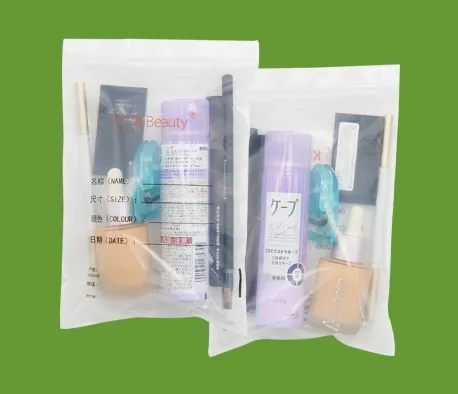
Custom bags packagings are universal packaging supplies that fit nearly all industries, covering retail packing, e-commerce shipping, daily product storage and brand gift packaging. More businesses choose customized packaging bags to upgrade brand image instead of using generic plain bags. However, many buyers run into avoidable troubles during cooperation: unclear demand leading to wrong finished products, unreasonable design affecting actual use, inconsistent quality between different batches, and delayed shipments disrupting overall business plans. Written from real procurement scenarios, this guide shares four core points to help buyers complete packaging bag customization smoothly.
Basic Information You Need to Prepare for Custom Bags Packagings
Many order delays and sample revisions happen because buyers fail to provide complete and clear requirements at the first inquiry. Packaging bag customization relies on precise parameters, and vague descriptions will directly cause production errors.
Before contacting manufacturers, buyers should sort out four key types of information in advance. First, confirm basic bag specifications, including bag type, exact size, material thickness and opening method according to your actual packaged goods. Second, clarify practical usage scenarios, such as whether the bags are used for indoor storage, long-distance logistics transportation or retail counter display, which decides required toughness and waterproof performance. Third, prepare complete brand design files, including vector logos, standard color numbers, printed text content and final layout drafts. Fourth, confirm exact order quantity and latest required delivery date. Complete upfront information helps manufacturers offer accurate quotations and produce qualified packaging bags in one go.
Practical Notes When Customizing Your Packaging Bags
Most buyers focus only on visual appearance while ignoring practical usability during packaging bag customization. Good-looking but impractical packaging bags will increase manual packing time and bring extra troubles in daily operation.
Here are key tips for trouble-free customization. Do not pursue over-complicated printing patterns blindly; too many printed layers will increase production cost and cause ink adhesion when bags are stacked together. Reserve enough blank space on bag edges to avoid pattern damage during heat sealing. Match material thickness reasonably: thin packaging bags for light small goods, and thickened durable bags for heavy items. Besides, keep consistent design style with your brand positioning, and avoid messy color matching that reduces brand grade. Balance beauty, practicability and cost is the core principle of ideal custom bags packagings.
Batch Quality Inspection Points for Long-Term Bulk Orders
For buyers with long-term and repeated purchasing demands, stable batch quality is more important than a perfect single sample. Tiny quality differences between batches will damage unified brand packaging image and affect customer shopping experience.
When placing bulk orders, buyers need to put forward clear batch quality requirements to suppliers. Firstly, require manufacturers to use the same raw material batch for all repeated orders to ensure uniform bag texture, transparency and hardness. Secondly, check printing consistency, no obvious color difference, blurred patterns or ink peeling across different batches. Thirdly, test sealing firmness to prevent opening and leakage during extrusion and transportation. Reliable packaging manufacturers will keep your design files permanently archived, ensuring every batch of packaging bags maintains the same standard without extra plate-making fees for repeat orders.
Lead Time Confirmation & Flexible Delivery Arrangement
Custom packaging bags need extra production time for plate making, printing and quality inspection, which takes longer than in-stock blank bags. Improper time arrangement is the main reason for packaging shortage and delayed product delivery.
Buyers need to confirm the full production cycle clearly before signing contracts. Generally, custom printed packaging bags need 7 to 13 working days for full production and shipment. It is necessary to reserve 3 to 4 days buffer time to cope with unexpected machine maintenance or minor design adjustments. For urgent orders during promotion seasons, confirm priority production service in advance. Meanwhile, you can negotiate phased delivery solutions with suppliers to ease warehouse storage pressure. Reasonable lead time planning can effectively avoid packaging stockout and guarantee stable daily packing work.
Conclusion
Well-customized bags packagings serve as both product protection tools and invisible brand promotion carriers. By preparing complete customized information, following practical design rules, checking strict batch quality and arranging reasonable production lead time, buyers can greatly reduce procurement risks. Suitable custom packaging bags can not only protect products during storage and transportation, but also help brands leave a deep impression on end customers with low packaging cost.