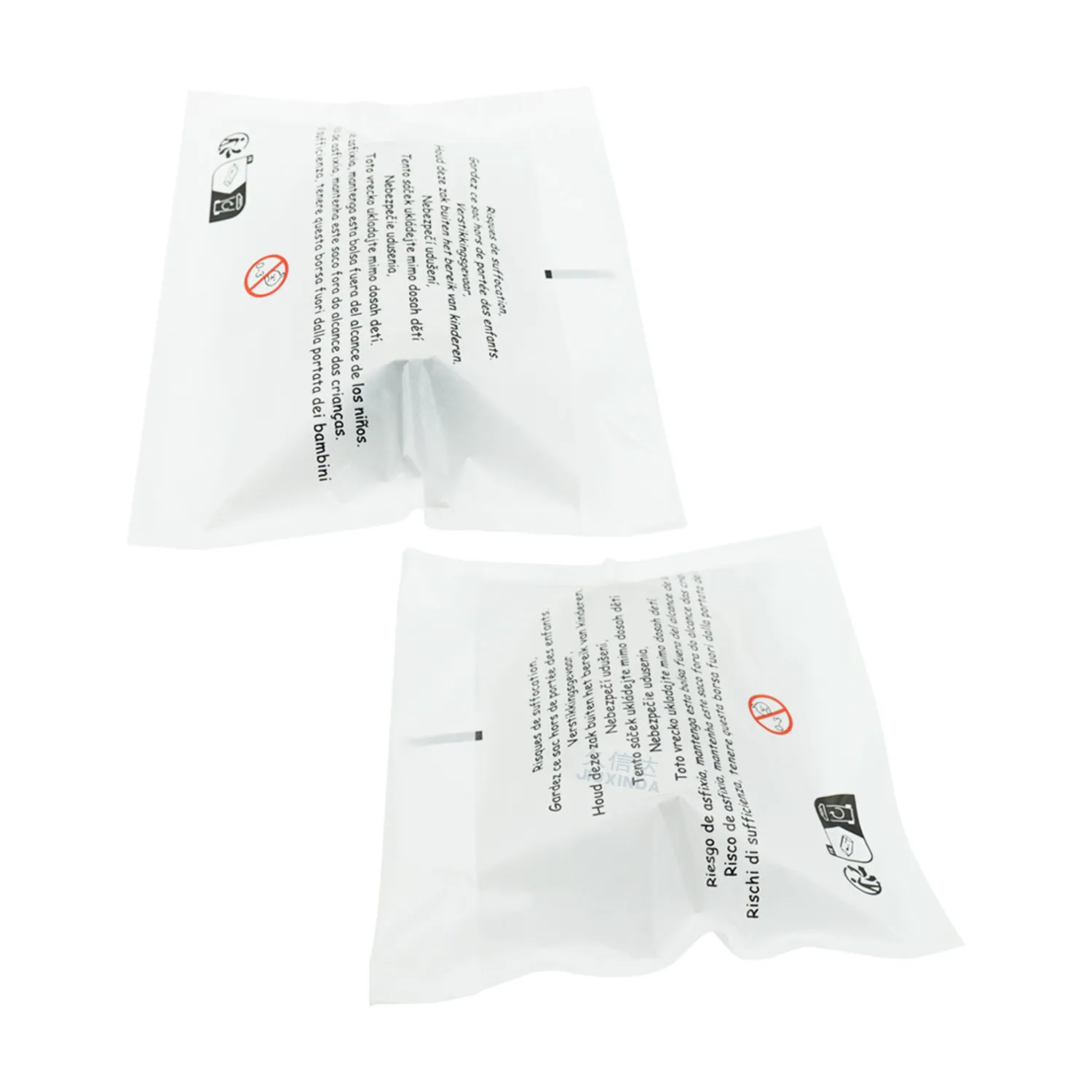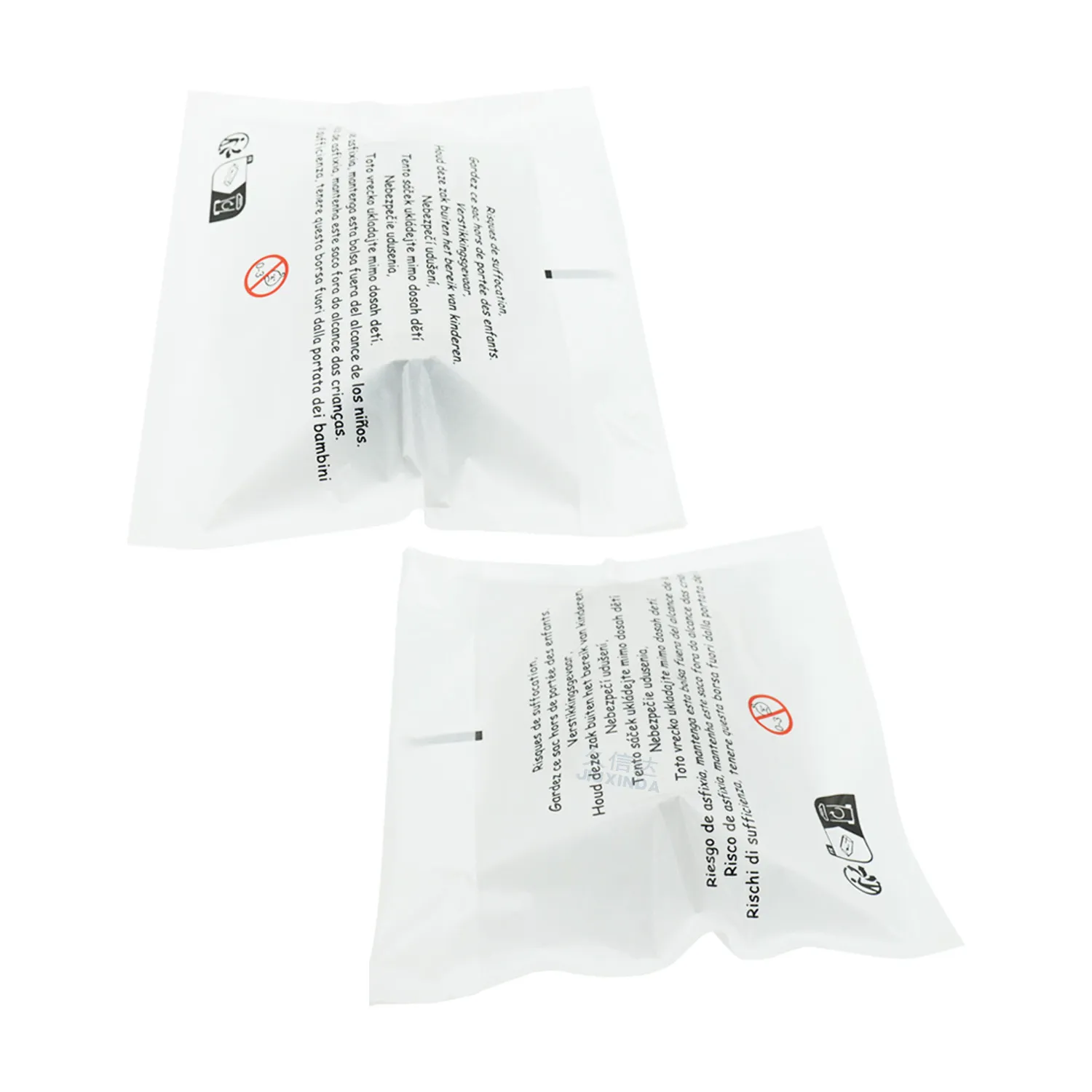
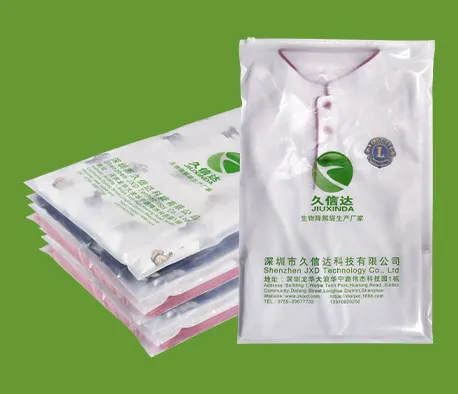
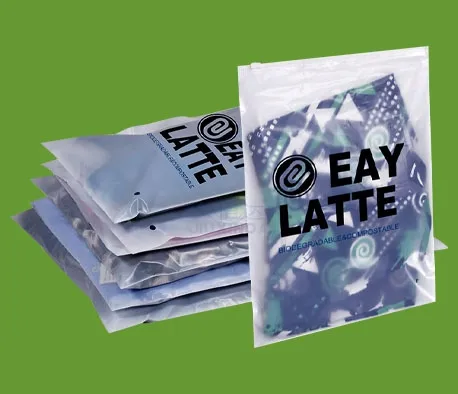
Clothing shipping bags are one of the most consumed packaging materials for e-commerce apparel stores, garment wholesalers, and fashion drop-shipping businesses. Unlike regular packaging bags, clothing shipping bags are engineered for textile protection, lightweight logistics, and bulk parcel sorting. They need to be stretch-resistant, dust-proof, moisture-proof, and compatible with high-volume daily shipping workflows. Many apparel buyers face recurring sourcing problems: unstable bag toughness causing garment damage, inconsistent thickness across batches, unprofessional factories failing apparel custom requirements, and delayed bulk shipments affecting order fulfillment. This article shares practical buying tips and manufacturer selection criteria based on real apparel logistics procurement scenarios.
Essential Custom Information to Provide for Accurate Clothing Shipping Bags
Most production errors and sample revisions happen due to incomplete buyer requirements. Clothing shipping bags have scenario-specific parameters that differ from general packaging, so vague descriptions will result in mismatched packaging that cannot fit your daily shipping process.
Before cooperating with manufacturers, apparel buyers must confirm clear custom details. First, define your main packaged items, such as lightweight tops, thick hoodies, denim pants, or multi-piece clothing sets, to determine proper bag thickness, stretchability, and load-bearing standard. Second, specify functional needs including tear resistance, waterproof performance, self-sealing adhesive strength, and whether you need easy-tear notches for fast parcel opening. Third, prepare complete brand files such as vector logos, brand color codes, shipping marks, and return policy texts for surface printing. Fourth, clarify order volume, regular packing quantity per carton, and required delivery schedule. Complete and precise information allows manufacturers to produce fully tailored clothing shipping bags that match your apparel shipping standards.
Key Customization & Usage Notes Apparel Buyers Must Follow
Many buyers customize clothing shipping bags based solely on appearance, ignoring practical logistics adaptability. Improper design and parameter settings often lead to hidden problems such as garment wrinkling, fabric scratching, adhesive failure, and bag bursting during courier sorting.
There are critical rules for customized clothing shipping bags. Avoid over-thick printing or full-coverage patterns that may cause ink transfer and stain delicate fabrics during long-term stacking. Keep printing away from the self-adhesive area to ensure stable sticking after repeated extrusion. Match bag flexibility with your clothing type: softer and stretchable material for knitted and elastic garments, and thicker tensile material for heavy and rigid clothing. Do not excessively pursue ultra-thin materials to cut costs, as thin shipping bags are easily punctured by clothing zippers, buttons, and hard accessories. Reasonable customization balances cost control, shipping safety, and brand presentation for apparel parcels.
How to Select Reliable Clothing Shipping Bags Manufacturers
Most packaging factories produce universal plastic bags, but only professional manufacturers can stabilize apparel-grade shipping bag quality. General factories often have uneven thickness, weak sealing, poor cold resistance, and obvious batch differences, which seriously affect standardized apparel shipping experiences.
Buyers can screen qualified manufacturers through four core dimensions. First, verify apparel packaging production experience. Excellent manufacturers are familiar with clothing shipping pain points, such as zipper piercing, fabric scratching, and long-distance moisture invasion, and optimize material formulas accordingly. Second, check batch quality control capabilities. Reliable factories maintain fixed film-blowing parameters, unified material ratios, and strict finished product sampling inspection to ensure zero color difference and uniform toughness for long-term orders. Third, confirm customization flexibility, supporting various sizes, printing styles, and functional upgrades tailored for apparel logistics. Fourth, evaluate export and bulk order handling capacity, ensuring the factory owns stable production lines and sufficient raw material reserves for large-scale seasonal orders.
Lead Time & Stable Supply Management for Apparel Peak Seasons
The apparel industry has obvious sales peaks, including holiday promotions and seasonal new arrivals, requiring flexible packaging inventory adjustment. Many buyers face clothing shipping bag shortages during peak periods due to poor factory scheduling and unstable delivery capabilities.
Professional clothing shipping bags manufacturers provide transparent and standardized production cycles. Custom printed orders usually take 7–12 working days, while blank conventional shipping bags support faster delivery. Buyers should arrange orders in advance before seasonal sales peaks and reserve 3–4 days buffer time for quality inspection and emergency adjustments. For long-term cooperation, choose manufacturers that support flexible batch delivery and stock reservation services. Stable lead time management avoids parcel suspension caused by packaging shortages and ensures continuous, efficient daily apparel order fulfillment.
Conclusion
High-quality clothing shipping bags are essential basic supplies for standardized apparel e-commerce and wholesale logistics. By providing accurate custom parameters, following apparel-oriented customization rules, selecting experienced and stable manufacturers, and arranging scientific lead time plans, clothing buyers can effectively avoid common procurement and quality risks. Stable and reliable clothing shipping packaging helps protect garments during transit, improve customer unboxing experience, and build a professional brand image.
BUYER QUESTIONS