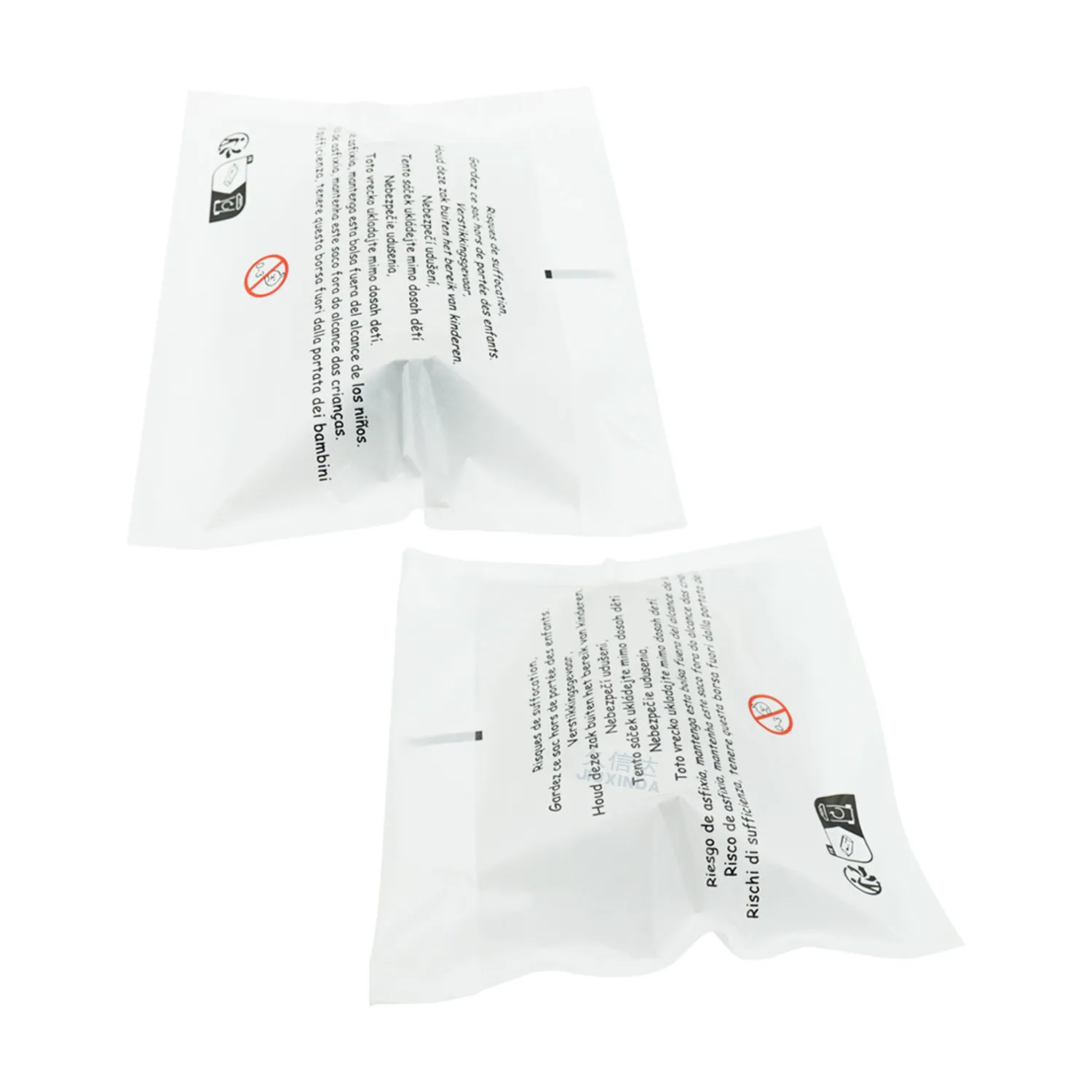
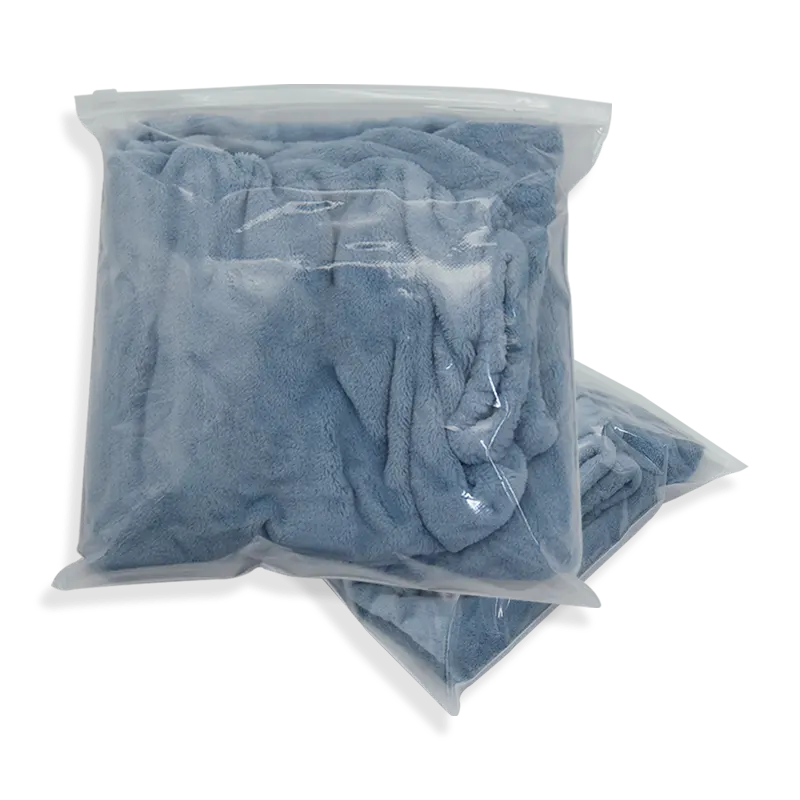
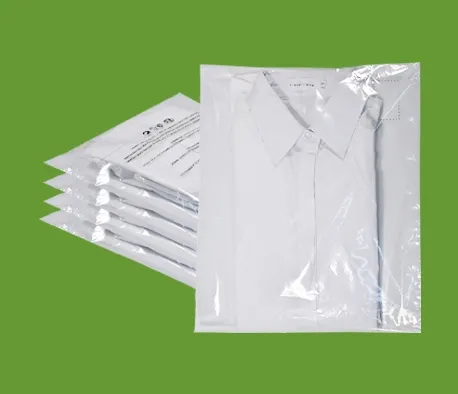
Custom packaging bags have become essential assets for modern brands to enhance product protection, unify brand image, and improve customer unboxing experiences. Unlike standard in-stock packaging, custom bags require precise communication, standardized design parameters, and reliable factory execution. Many procurement challenges, including repeated sample revisions, mismatched finished products, unstable batch quality, and delayed shipments, all stem from unsystematic customization workflows. From a real buyer’s perspective, this article summarizes four critical factors to ensure efficient, risk-free, and high-quality custom packaging bag sourcing.
Essential Information You Need to Prepare for Customization
Clear and complete preliminary information is the foundation of one-time successful customization. Many cooperation inefficiencies occur because buyers provide vague or incomplete requirements, forcing suppliers to make repeated confirmations and constant sample adjustments. To streamline the entire customization process, buyers must prepare a standardized requirement list before submitting an order.
First, define packaging physical specifications, including exact bag size, thickness, style type, load-bearing requirements, and functional needs such as waterproof, dustproof, or anti-static features based on your product weight and shipping scenarios. Second, organize official brand files, including vector logos, standard CMYK color codes, fixed text content, product descriptions, warning labels, and barcode placement rules. Third, confirm surface finishing requirements, such as matte, glossy, embossing, or hot stamping effects. Finally, clarify order quantity, batch segmentation, and target delivery dates. Comprehensive preparation eliminates information asymmetry, cuts down proofing cycles, and helps suppliers produce accurate packaging solutions that fully match your expectations.
Key Customization Rules to Avoid Common Design and Structural Errors
Custom packaging allows flexible personalization, but it also has technical limitations. A common mistake for novice buyers is over-designing or blindly following trending styles without considering material adaptability and practicality, which results in defective packaging that cannot be used for mass shipment.
Buyers need to balance aesthetics, functionality and manufacturability during customization. In terms of structure, avoid oversized or ultra-thin designs that weaken the bag’s load capacity and easily cause tearing during logistics. In terms of printing layout, keep the design concise and hierarchical; avoid overly dense text and overlapping patterns that affect brand texture and resolution. In terms of craftsmanship, match special processes with material features to prevent ink peeling, pattern blurring, or film breakage. Additionally, all printed content must comply with local industry regulations and advertising standards to avoid legal risks. Following these practical customization rules ensures your custom bags are both visually attractive and practically usable.
Batch Consistency Control to Maintain Long-Term Brand Uniformity
For long-term brand operation, single-sample perfection is meaningless without stable batch consistency. One of the biggest procurement pain points is obvious differences between order batches, including color deviation, uneven thickness, different transparency, and inconsistent printing brightness. These subtle differences disrupt unified brand display and reduce customer trust in brand professionalism.
When selecting suppliers, buyers must prioritize manufacturers with standardized quality control systems. Reliable factories lock fixed raw material sources, unified printing parameters, and consistent production processes for repeat orders. They conduct strict pre-production sample confirmation and random batch inspections for tension, sealing strength, printing accuracy and overall appearance. For brands with continuous purchasing demands, locking fixed production standards can maintain uniform packaging style and quality throughout the year. Stable batch consistency helps build a mature, standardized brand image in the long-term market operation.
Scientific Lead Time Arrangement to Prevent Supply Chain Disruptions
Delivery stability directly determines whether brands can complete seasonal restocking, new product launches, and customer order delivery on schedule. Unlike ready-made packaging, custom packaging requires design, proofing, mass production and quality inspection, which involves a longer and more complex cycle. Unreasonable time planning often leads to passive delays in the entire product sales plan.
Professional buyers will sort out the full-cycle schedule in advance, reserving sufficient buffer time for design modification, sample adjustment and unexpected production situations. Before confirming orders, confirm the supplier’s daily output capacity, raw material reserve status, and peak-season production scheduling rules. For urgent orders, communicate flexible production arrangements and priority delivery mechanisms. Formal suppliers provide real-time order progress updates, allowing buyers to grasp production dynamics at any time. Reasonable lead time management effectively avoids inventory shortages, shipment delays and customer complaints caused by packaging supply interruptions.
Conclusion
Sourcing custom packaging bags is a systematic project that covers information preparation, standardized customization, quality control and delivery management. By preparing complete custom specifications, following scientific design rules, focusing on batch quality consistency, and arranging reasonable production cycles, buyers can effectively avoid most customization pitfalls. High-quality custom packaging bags not only provide reliable protection for products, but also continuously enhance brand influence in market sales and customer delivery links.
BUYER QUESTIONS