The apparel industry is rapidly shifting toward sustainable operations, and packaging has become a key touchpoint for showcasing a brand’s green values. Today’s consumers, especially fashion and lifestyle shoppers, actively favor brands that minimize plastic waste and adopt eco-conscious packaging. However, many apparel buyers face recurring sourcing challenges: sustainable packaging that wrinkles garments, low-quality materials that hurt unboxing experiences, unclear customization standards leading to inconsistent brand presentation, and unreliable factory turnaround affecting seasonal inventory restocks. Understanding real procurement pain points is essential to selecting practical, brand-boosting eco friendly apparel packaging. This article breaks down four core considerations for clothing brand buyers.
Choose Eco-Friendly Materials That Fit Different Apparel Types
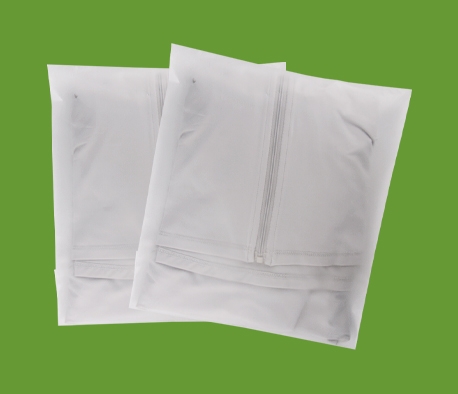
One of the most common buyer frustrations is generic sustainable packaging that fails to match garment characteristics. Unlike general commodity packaging, apparel packaging requires a balance of softness, wrinkle resistance, breathability and protection. Many budget-friendly eco bags are either too thin and prone to tearing or too stiff, leaving permanent creases on delicate clothing.
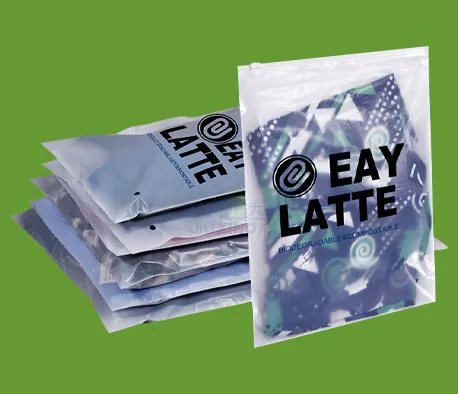
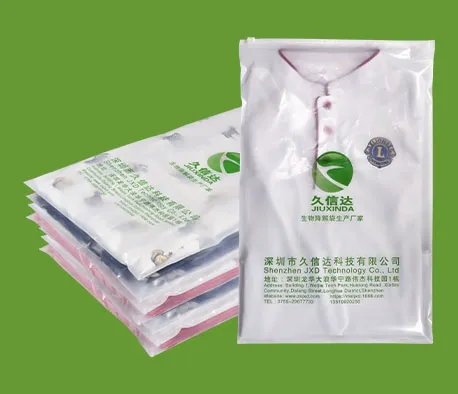
For lightweight and sensitive items such as lingerie, silk garments, and summer breathable fabrics, buyers should prioritize soft, flexible eco-friendly films and compostable materials that prevent friction marks and fabric damage. For thick winter wear, jackets and denim clothing, sturdy tear-resistant eco-friendly packaging with good tensile strength is necessary to hold weight during transit. For bulk wholesale apparel orders, recyclable kraft paper packaging and recycled plastic bags offer cost-effective and waste-reducing alternatives. Matching material performance to garment types eliminates the classic pain point of “environmentally friendly but impractical packaging” and protects product quality from warehouse storage to customer delivery.
Solve Brand Inconsistency Issues with Standardized Customization
Most clothing brands rely on packaging to shape a unified retail image, yet many procurement teams struggle with inconsistent printing, color deviation, and awkward layout after switching to eco friendly apparel packaging. A major reason is that many sustainable materials have different surface absorption properties compared to traditional plastic, requiring adjusted printing techniques and design rules.
Buyers need to provide standardized brand assets for apparel packaging customization, including unified color codes, high-resolution logos, brand taglines, and size information. It is critical to avoid over-saturated designs and excessive ink layers, as eco-friendly materials easily absorb ink and result in blurred visuals. Minimalist, elegant printing styles work best for fashion apparel, highlighting brand texture while adapting to the physical limitations of sustainable materials. Additionally, buyers should lock fixed production templates for long-term orders to ensure every batch maintains consistent color tone, printing clarity and layout proportion. Standardized customization solves scattered brand visual problems and creates a high-end, cohesive brand identity across all product lines.
Avoid Common Eco-Packaging Compliance and Quality Pitfalls
Many apparel buyers encounter hidden risks when sourcing eco-friendly packaging, including exaggerated environmental claims, uncertified materials, and poor weather resistance. Some suppliers label products as eco-friendly while using mixed non-degradable ingredients, exposing brands to greenwashing accusations and market inspection risks. In addition, many sustainable packaging bags are sensitive to humid environments, causing softening, sticking, or surface damage during cross-border shipping and long-term warehouse storage.
Professional procurement requires proactive risk screening. Buyers should verify official environmental certifications, test reports for degradation or recyclability, and confirm that all materials meet international apparel packaging safety standards with no harmful residues. It is also necessary to confirm whether the eco-packaging supports anti-moisture and dust-proof functions suitable for clothing storage. Avoid low-cost uncertified products that sacrifice quality for environmental slogans. Reliable eco-friendly apparel packaging should be safe, stable in all logistics scenarios, and truly compliant with global sustainable standards, protecting brand reputation while reducing carbon footprints.
Secure Flexible Lead Times to Match Fashion Seasonal Cycles
The apparel industry follows strict seasonal cycles, new product launch schedules, and holiday promotion rhythms. One of the biggest procurement pain points is rigid factory delivery schedules that cannot keep up with fast fashion updates and seasonal restock demands. Many buyers face delayed packaging supply, resulting in postponed new product launches and missed sales windows.
When sourcing eco friendly apparel packaging, buyers must evaluate manufacturers’ flexible production capacity and order response speed. Reliable suppliers provide clear proofing cycles, adjustable batch production plans, and emergency delivery solutions for peak seasons. They maintain stable eco-material inventory to avoid production suspension caused by seasonal material shortages. Long-term cooperative manufacturers can also reserve production slots for regular apparel brand orders, ensuring packaging supplies are ready before every new collection launch and promotional campaign. Stable and flexible delivery cycles help clothing brands maintain market agility while fully adopting sustainable packaging upgrades.
Conclusion
Eco friendly apparel packaging is no longer an optional trend but a necessary upgrade for modern fashion brands. By selecting material types tailored to garment characteristics, standardizing brand customization to maintain consistent visual effects, avoiding compliance and quality pitfalls, and securing flexible delivery cycles for seasonal fashion demands, procurement teams can source ideal sustainable packaging solutions. Well-chosen eco-friendly apparel packaging protects clothing quality, enhances customer unboxing experiences, and builds a trustworthy, eco-conscious brand image in the competitive global fashion market.
BUYER QUESTIONS