
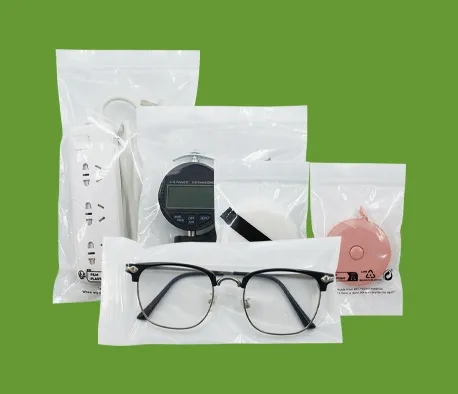
Most buyers and brand operators regard product packaging plastic bags as mere protective shipping tools, ignoring their huge potential as low-cost, high-frequency brand advertising carriers. In retail, e-commerce and offline distribution scenarios, custom plastic packaging bags accompany products throughout transportation, shelf display and customer unboxing, continuously exposing brand information to end consumers and the public. For procurement teams, qualified customized plastic packaging bags can not only meet basic product packaging needs, but also subtly improve brand exposure and market recognition. While pursuing brand enhancement through packaging, buyers also need to standardize customization details, prepare complete information, avoid customization errors, and ensure stable delivery. This article analyzes how customized plastic packaging bags boost brand visibility from a professional procurement perspective.

Complete Customization Information Lays the Foundation for Unified Brand Display
Unified and standardized brand packaging presentation is the premise of effective visibility improvement. Irregular logo printing, disordered text layout and inconsistent color tones will not only fail to enhance the brand image, but also cause brand recognition confusion. The core reason for such problems is incomplete and non-standard information provided by buyers in the early customization stage.
To create high-value brand packaging, buyers need to sort out four types of core information before customization. Firstly, unified brand visual materials, including high-definition vector logos, fixed CMYK color codes, official brand fonts and standardized slogan content, to ensure consistent visual output of all packaging bags. Secondly, product matching specifications, including accurate bag size, thickness and structural design, to adapt to product attributes and display scenarios. Thirdly, compliant content information, including product specifications, enterprise information and certification marks, to make packaging professional and credible. Fourthly, batch customization demands, which help suppliers unify production standards for long-term orders. Complete and standardized information ensures that every packaging bag presents a unified and professional brand image, realizing consistent brand exposure in all sales scenarios.
Key Customization Notes to Avoid Damaging Brand Image
Blind customization is the biggest hidden danger of brand packaging failure. Many buyers over-pursue complex printing effects and personalized designs while ignoring material adaptability, process rationality and industry compliance, resulting in low-grade packaging presentation and even brand negative publicity. Reasonable customization control is the key to maximizing brand visibility advantages of plastic packaging bags.
In actual procurement and customization, buyers need to grasp three core principles. First, balance simplicity and recognition. Excessively complicated patterns and dense text will make the packaging messy and reduce brand grade; minimalist and focused logo and brand information layout can leave a deeper impression on consumers. Second, match processes with material characteristics. Avoid excessive special processes that lead to blurred printing, easy ink falling and wrinkled bag surfaces, which directly damage the unboxing experience and brand perception. Third, abide by industry compliance rules. Do not use unauthorized patterns, false propaganda words and non-compliant marking content, so as to avoid market supervision risks and brand reputation losses. Standardized and reasonable customization can turn ordinary plastic packaging bags into high-end brand display carriers.
Stable Batch Quality Sustains Long-Term Brand Exposure Effect
Brand visibility improvement is a long-term cumulative effect, which relies on stable and consistent packaging quality in every batch of orders. Many brands have excellent packaging effects in the first cooperation, but appear color difference, uneven gloss, fuzzy printing and soft and hard texture differences in subsequent batches. Discontinuous packaging standards will disperse brand memory points and weaken accumulated brand recognition.
As a procurement focus, batch quality stability directly determines the sustainability of brand packaging marketing. Professional suppliers will lock fixed raw material formulas, printing parameters and post-processing processes for brand orders. Each batch of plastic packaging bags will undergo strict inspection on color accuracy, printing clarity, surface flatness and sealing firmness. For long-term purchased brands, stable packaging quality can form a fixed brand visual label in the minds of consumers. Whether it is shelf display, customer daily use or secondary dissemination, unified high-quality packaging can continuously strengthen brand memory and realize steady growth of brand visibility.
Reliable Delivery Cycle Ensures Continuous Brand Market Layout
Perfect customized packaging can only exert brand value if it is launched on the market on time. Delayed packaging delivery will lead to product off-shelf, delayed new product launch and interrupted market promotion plans, resulting in missed brand exposure opportunities. For procurement teams, controllable and stable delivery capacity is an important guarantee for continuous brand market layout.
Before confirming orders, buyers need to fully communicate with suppliers about the full production cycle, including sample confirmation, mass production, quality inspection and delivery time. It is necessary to confirm whether the supplier has sufficient production capacity and raw material reserves to support continuous order replenishment, and avoid production suspension caused by material shortage. At the same time, clarify the emergency delivery plan for seasonal promotions and new product launches to ensure that products can be launched steadily according to the marketing rhythm. Only when packaging supplies are in place continuously and on time can brand exposure maintain continuity, help brands seize market opportunities and steadily improve market popularity and visibility.
Conclusion
Plastic bags for product packaging are low-cost and high-efficiency brand marketing carriers. From preparing complete customization information and standardizing customized design details, to maintaining stable batch quality and ensuring on-time delivery, every procurement link affects the final brand display effect. Scientific customization and standardized procurement management can make ordinary packaging bags continuously empower brand exposure, shape a professional and unified brand image, and create long-term market competitive advantages for enterprises.
BUYER QUESTIONS