Product packaging bags serve as the first line of product protection and brand presentation, making packaging selection one of the most critical decisions for procurement teams. Many businesses focus merely on packaging appearance and unit price while ignoring practical matching details, customized specification standards, quality stability, and delivery reliability. Improper packaging selection often leads to product damage during logistics, inconsistent brand presentation, repeated order revisions, and delayed shipment schedules. To help buyers make efficient, cost-effective, and low-risk packaging decisions, this article summarizes four key procurement dimensions for selecting ideal packaging bags for diverse products.

Prepare Complete Customization Details to Ensure Accurate Order Matching
Smooth custom packaging cooperation relies entirely on complete and precise buyer information. Incomplete or vague requirement submission is the leading cause of incorrect sample production, repeated modifications, and extended procurement cycles. Before launching any custom packaging project, buyers must sort out standardized product and brand information for suppliers.
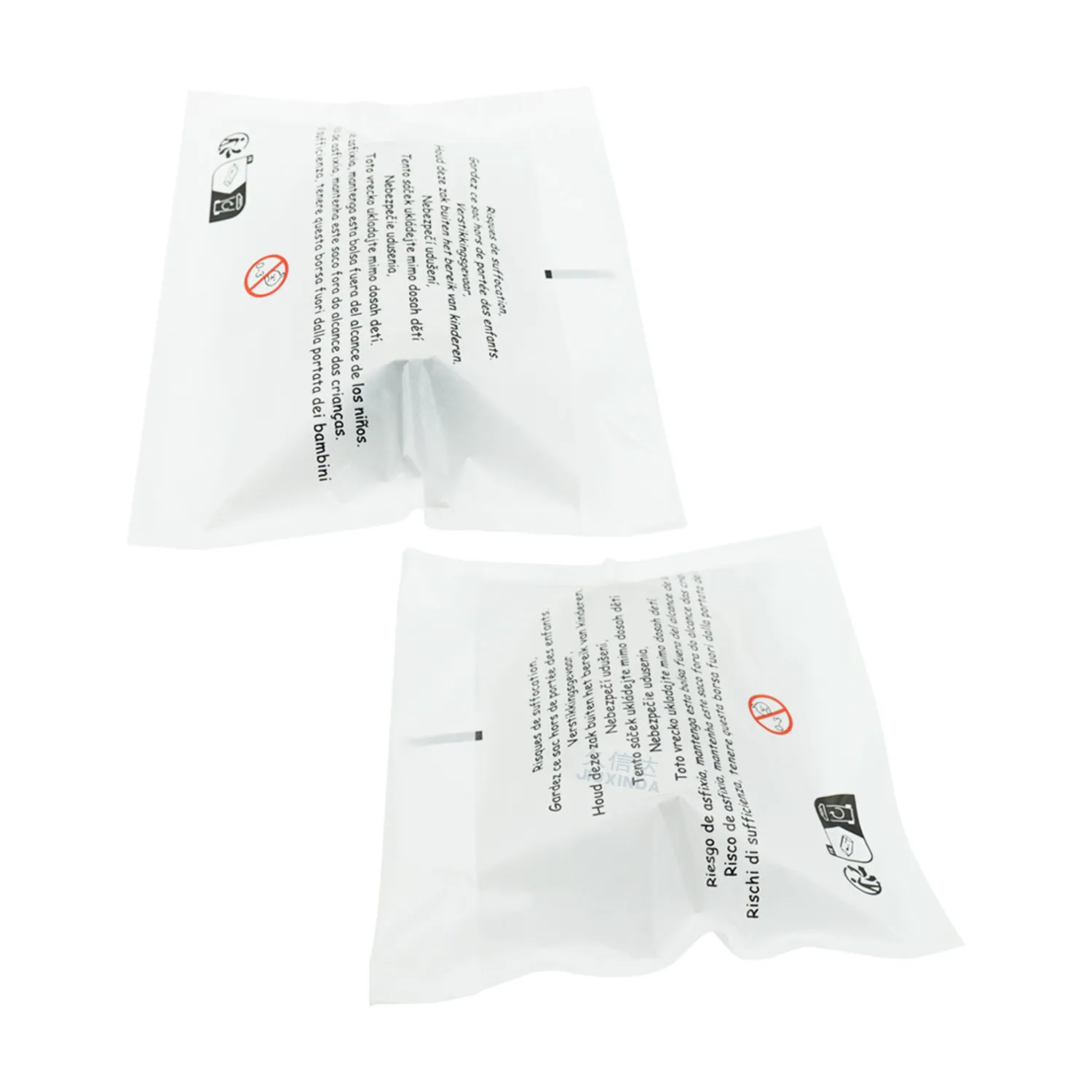
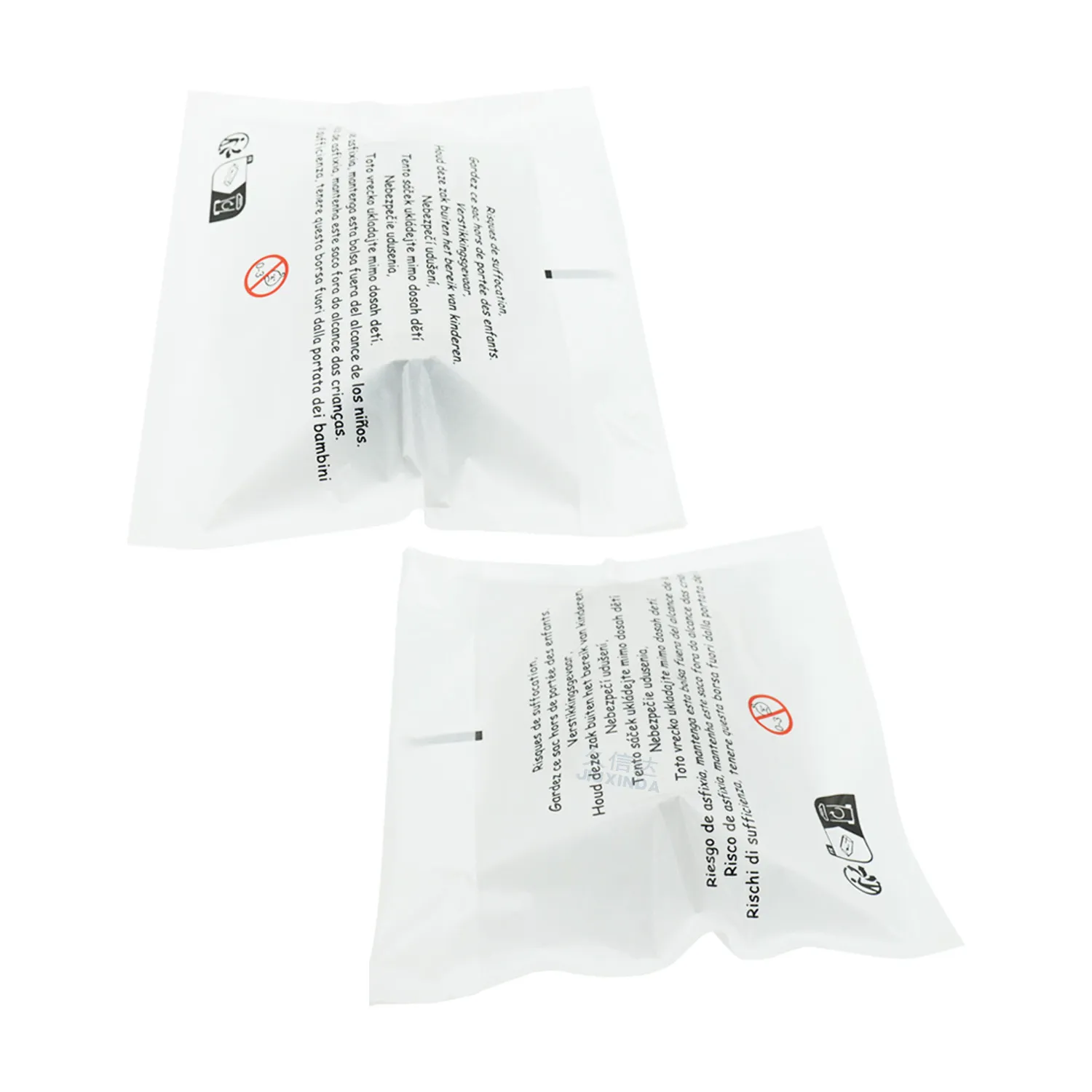
First, provide accurate product specifications, including product size, weight, texture features, and specific usage scenarios such as retail display, gift packaging, or logistics transportation. These details determine the required bag size, thickness, toughness, and functional attributes like dustproof, waterproof, or anti-static performance. Second, organize unified brand materials, including vector logos, standard brand color codes, printed text content, product descriptions, and warning labels, to avoid inconsistent printing effects. Third, clarify personalized customization needs, including surface craftsmanship, bag style, opening design, and special processing requirements. Finally, confirm order quantity and batch delivery plans. Sufficient and detailed information enables suppliers to produce accurate solutions at one time, saving massive time and communication costs for procurement teams.
Grasp Core Customization Principles to Avoid Practical and Visual Defects
Custom packaging flexibility does not mean unlimited design freedom. Blindly pursuing overly complex craftsmanship or inappropriate structural design will compromise packaging practicality and stability, bringing hidden troubles to product packaging and sales. Professional buyers need to master basic customization principles to balance aesthetics and practicality.
The primary principle is product adaptability. Fragile, sharp, or heavy products require reinforced structures such as thickened bags and strengthened sealing edges, while light daily commodities can adopt lightweight and thin designs to control costs. Second, match craftsmanship with material characteristics. Avoid excessive printing, lamination, or special processes that may damage the structural stability of the packaging material. Third, maintain concise and standardized visual design. Overly cluttered patterns and text will reduce brand grade and even violate advertising specification requirements. Fourth, prioritize user experience. Reasonable opening design, handle position, and bag flexibility can greatly improve packaging efficiency and customer unboxing experience. Following these rules effectively avoids unqualified finished products and unreasonable customized designs.
Prioritize Batch Quality Consistency for Long-Term Brand Stability
For continuous brand operation and bulk product sales, one-time perfect packaging effect is far less important than long-term batch consistency. Many buyers encounter problems in repeat orders, including color difference, uneven bag thickness, inconsistent softness and hardness, and unstable sealing quality. These subtle differences will gradually damage brand uniformity and reduce customer trust.
When selecting packaging solutions, buyers should focus on suppliers’ standardized production and quality control capabilities. Reliable manufacturers adopt fixed material formulas, unified printing parameters, and standardized post-production processes for long-term orders. They conduct strict sampling inspections on tensile strength, sealing performance, printing accuracy and overall appearance for each batch of products. Buyers can lock fixed production parameters for recurring orders to ensure every batch of packaging bags maintains consistent quality and style. Stable batch quality ensures unified brand image in the market and eliminates after-sales risks caused by packaging defects.
Evaluate Production Capacity and Delivery Arrangement to Stabilize Supply Chains
Delivery timeliness is a core indicator that directly affects product stocking, market launching, and customer order fulfillment. Many packaging delays are not caused by inefficient production, but by insufficient early communication on production cycles, unreasonable scheduling, and lack of emergency plans. For procurement teams, stable and punctual delivery is an indispensable guarantee for business continuity.
Buyers need to confirm the full-cycle production schedule with suppliers before placing formal orders, covering sample confirmation time, mass production cycle, quality inspection time, and logistics delivery period. It is necessary to verify whether the supplier has sufficient production equipment, stable manpower, and raw material reserves to support bulk orders and peak-season demand. In addition, confirm the supplier’s flexible adjustment mechanism for urgent orders and delayed order processing rules. Professional suppliers will arrange production reasonably according to buyers’ shipment schedule, provide real-time order progress feedback, and reserve buffer time to deal with unexpected situations. Scientific delivery management effectively avoids product out-of-stock and customer complaints caused by packaging delays.
Conclusion
Choosing suitable packaging bags for products is a systematic decision that integrates demand sorting, standardized customization, quality control, and delivery management. By preparing complete customization information, adhering to scientific customization principles, focusing on batch quality consistency, and verifying supplier delivery capabilities, buyers can avoid most common procurement problems. High-quality matched packaging bags can not only protect products during transportation and storage, but also polish brand image, helping enterprises gain stronger market competitiveness in long-term business development.
BUYER QUESTIONS