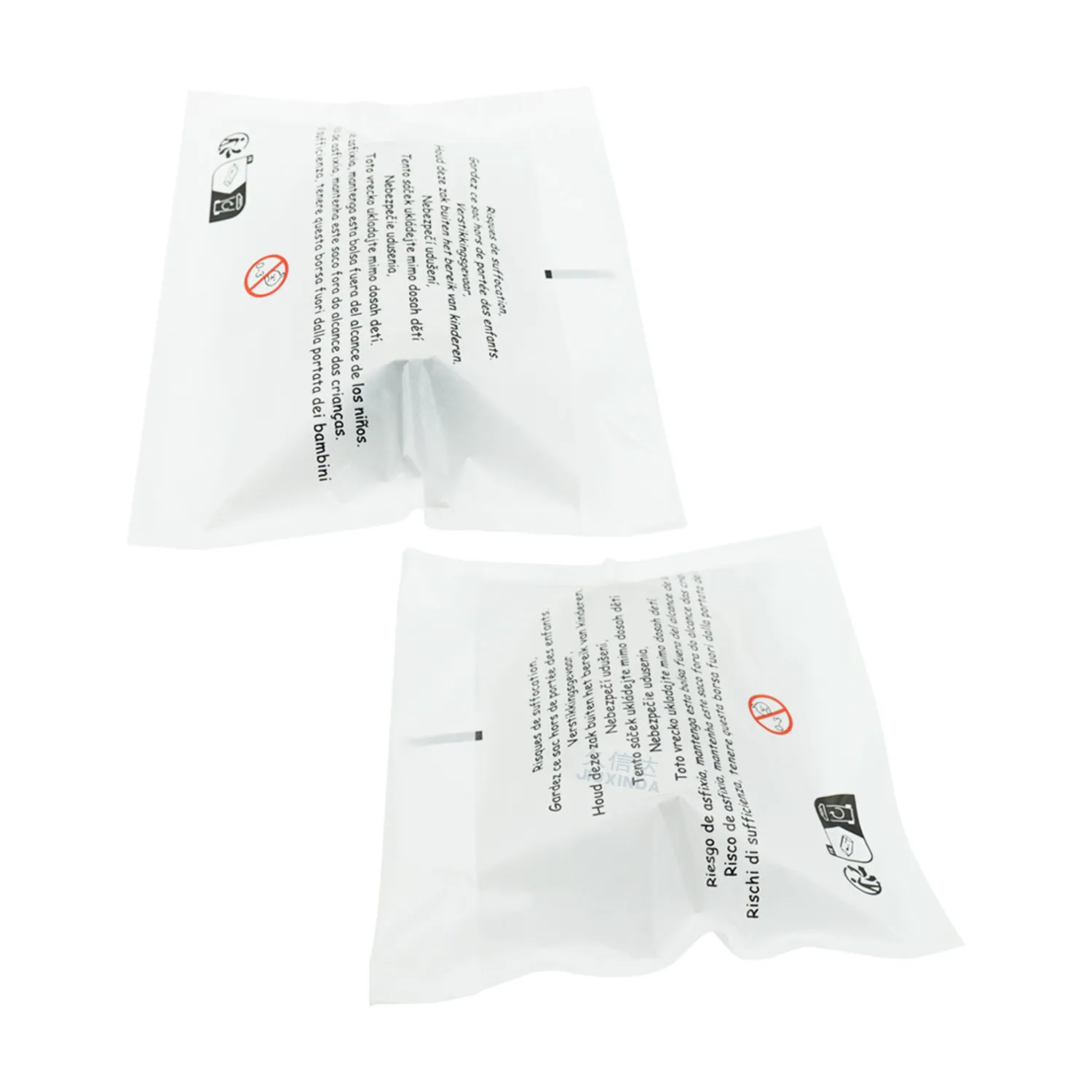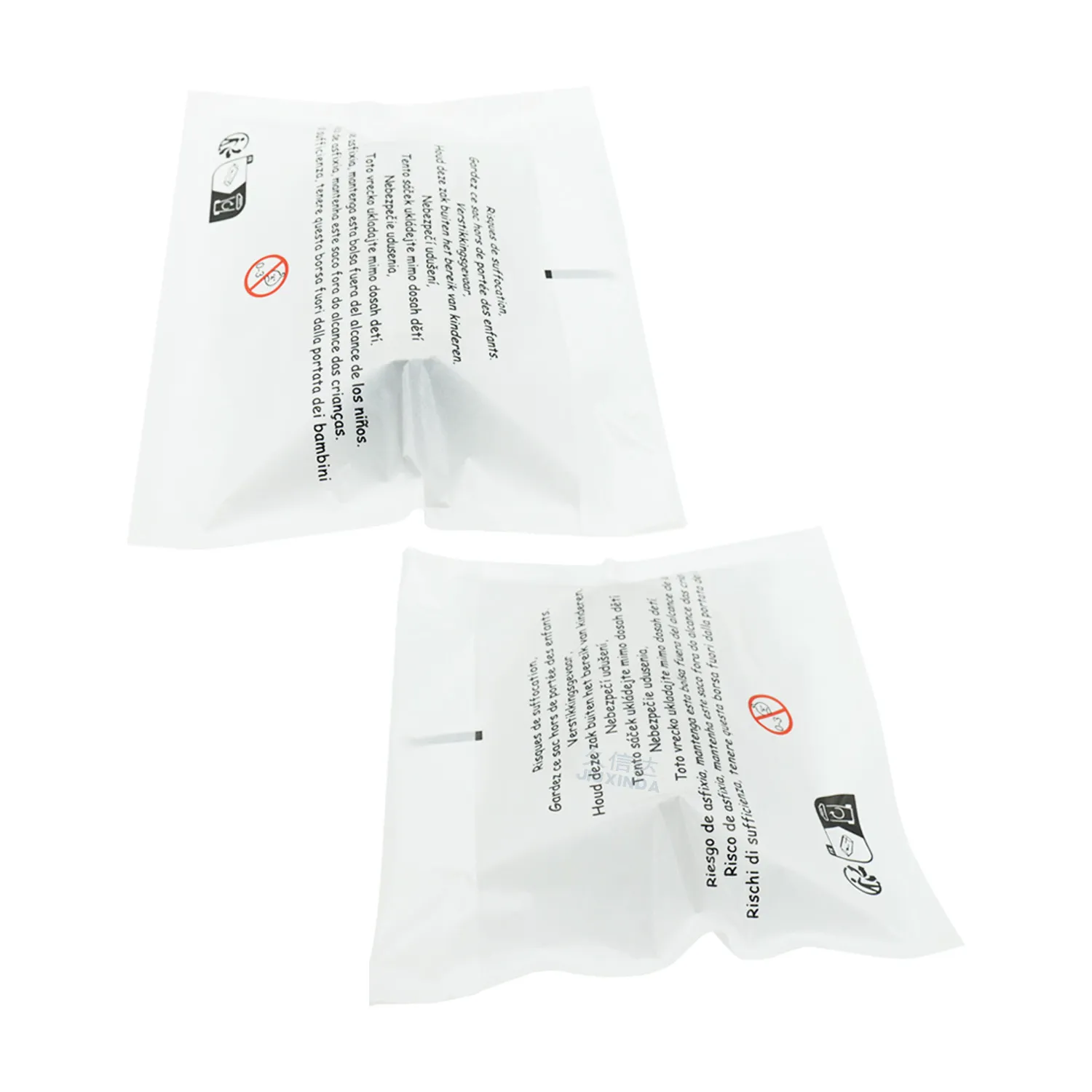
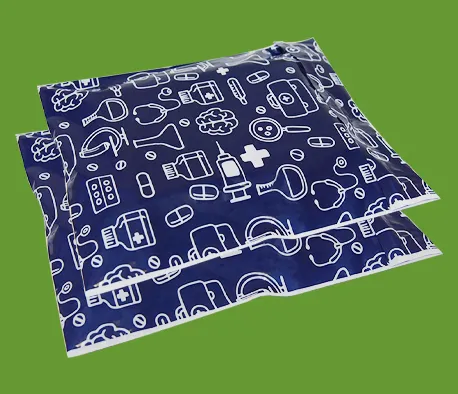
Delivery packaging is the backbone of modern e-commerce, retail distribution and last-mile logistics. It covers all shipping materials used to pack, protect and deliver finished goods to end customers, ranging from standard mailers and padded bags to custom shipping envelopes. Unlike decorative retail packaging, delivery packaging prioritizes transit safety, cost efficiency, lightweight performance and consistent batch quality. Many bulk buyers face recurring sourcing issues: mismatched packaging specs slowing down fulfillment, fragile materials causing in-transit damage, unstandardized manufacturers delivering unstable batches, and poor after-sales support disrupting daily shipping workflows. This guide breaks down practical purchasing rules, key cooperation reminders and professional supplier selection tips from a real logistics procurement perspective.
Key Custom Details to Confirm Before Ordering Delivery Packaging
Successful delivery packaging customization depends on scenario-based parameters rather than generic sizes. Every brand has unique shipping workflows, product dimensions and logistics environments, making precise requirement confirmation essential before mass production.
Before sending inquiries to manufacturers, buyers should finalize four critical sets of information. First, define your core delivery scenarios, such as standard e-commerce shipping, cross-border long-distance logistics, local last-mile delivery or fragile item dispatch, to match the right thickness, toughness and protective grade. Second, confirm exact packaging dimensions, opening style and sealing method to ensure compatibility with your automatic packing machines and manual fulfillment processes. Third, prepare brand and compliance printing content, including official logos, shipping symbols, handling instructions and brand color codes to maintain unified delivery packaging aesthetics. Fourth, clarify order volume, recurring stocking frequency and required lead time to help suppliers arrange production capacity and stable batch scheduling. Complete upfront details eliminate repeated proofing and shorten the overall procurement cycle.
Common Pitfalls to Avoid in Delivery Packaging Procurement
Most delivery packaging failures occur due to overlooked practical details rather than obvious defects. Many buyers focus solely on unit pricing or visual appearance while ignoring logistics adaptability, resulting in higher long-term operational costs and customer complaints.
There are vital procurement pitfalls every B2B buyer must avoid. Do not compromise material quality for lower costs; thin, low-grade delivery packaging easily tears, stretches or bursts during sorting, stacking and long-haul transportation, leading to product loss and refund disputes. Avoid overcomplicated printing and oversized patterns that interfere with sealing, scanning and courier sorting efficiency. Never ignore environmental and regional compliance rules; many regions require low-carbon or recyclable delivery packaging for commercial shipments. In addition, avoid inconsistent packaging specifications across batches, which disrupts standardized warehouse operations and brand delivery experiences. Sticking to practical, logistics-oriented design and quality standards ensures reliable daily shipping performance.
How to Qualify Professional Delivery Packaging Manufacturers
Delivery packaging production has strict industrial standards, yet many small factories only focus on basic bag-making without understanding logistics industry requirements. Reliable manufacturers differ greatly from ordinary suppliers in stability, craftsmanship and service awareness.
Buyers can screen qualified delivery packaging manufacturers through four actionable standards. First, verify logistics packaging production experience. Professional factories are familiar with courier sorting friction, stacking pressure and temperature changes during transportation, optimizing material flexibility and tensile strength for real delivery scenarios. Second, evaluate batch consistency control capabilities, including fixed raw material suppliers, locked production parameters and batch sampling testing to ensure identical texture, thickness and printing across every shipment. Third, check customization flexibility, supporting size adjustment, functional upgrades, personalized printing and different material grades to fit diverse product lines. Fourth, assess stable delivery capability, including complete production lines, sufficient raw material reserves and systematic order scheduling to avoid seasonal delays and stockouts.
Long-Term Benefits of Partnering With Reliable Delivery Packaging Manufacturers
Excellent delivery packaging manufacturers deliver far more value than simple product supply. They act as long-term logistics optimization partners that help buyers stabilize operations, reduce hidden costs and upgrade brand delivery impressions.
First, they reduce overall logistics risk. Standardized and durable delivery packaging minimizes product damage rates, lowering after-sales refunds, customer complaints and compensation costs. Second, they stabilize annual procurement budgets. Long-term cooperative suppliers maintain stable pricing and consistent quality, avoiding frequent cost fluctuations caused by switching factories. Third, they support business scaling. Reliable manufacturers adjust production capacity dynamically to match order growth, seasonal promotions and new product launches. Fourth, they provide professional packaging optimization advice, helping buyers simplify packaging structures, reduce weight and cut shipping fees while maintaining protection performance. These long-term advantages greatly improve the overall efficiency of brand logistics operations.
Conclusion
High-quality delivery packaging is an invisible core asset of brand logistics operations. By confirming accurate customized specifications, avoiding common procurement and design pitfalls, selecting experienced and standardized manufacturers, and leveraging long-term supplier advantages, B2B buyers can build a stable, cost-effective and low-risk delivery packaging supply system. Reliable delivery packaging not only protects goods in transit but also improves customer delivery experience and enhances overall brand credibility.

BUYER QUESTIONS