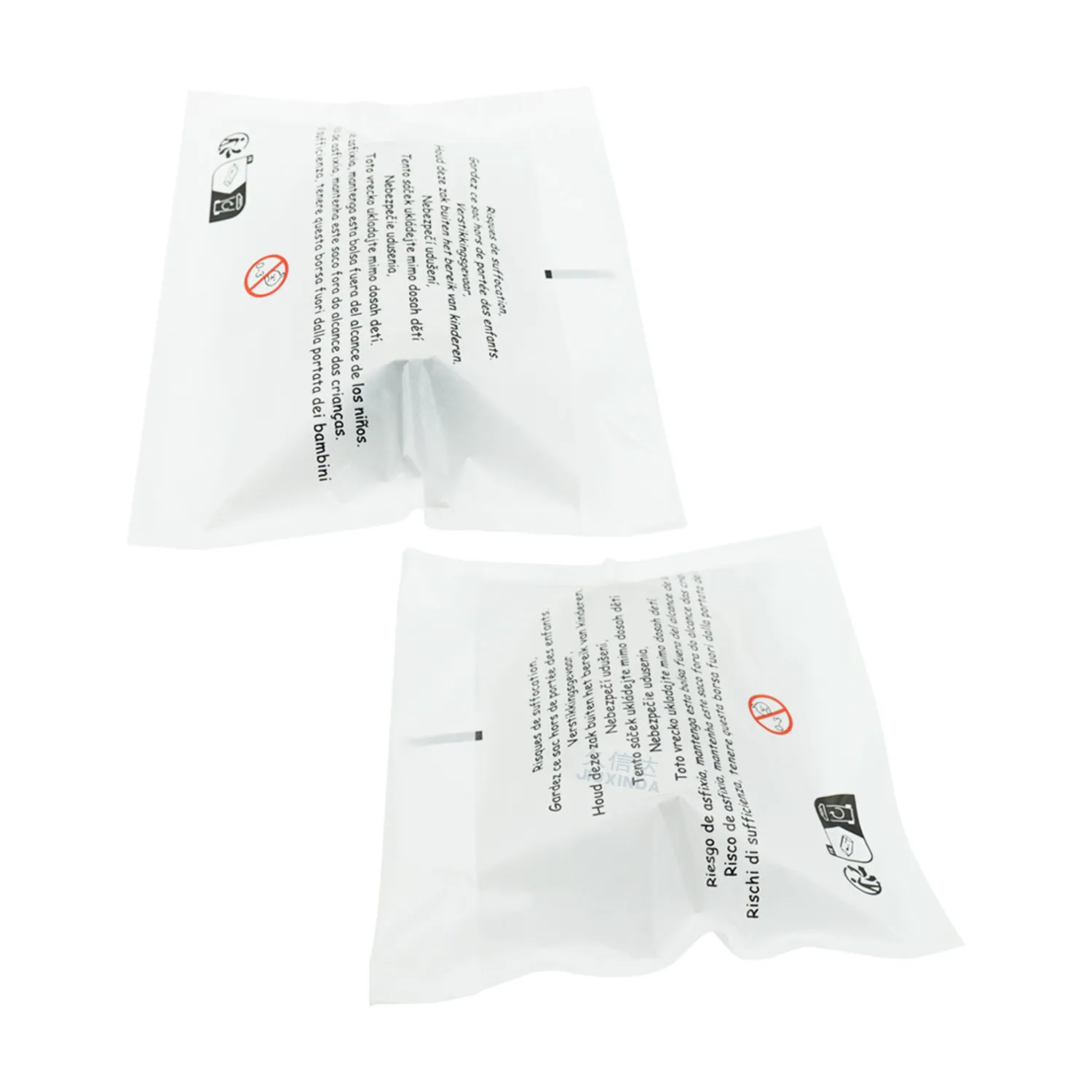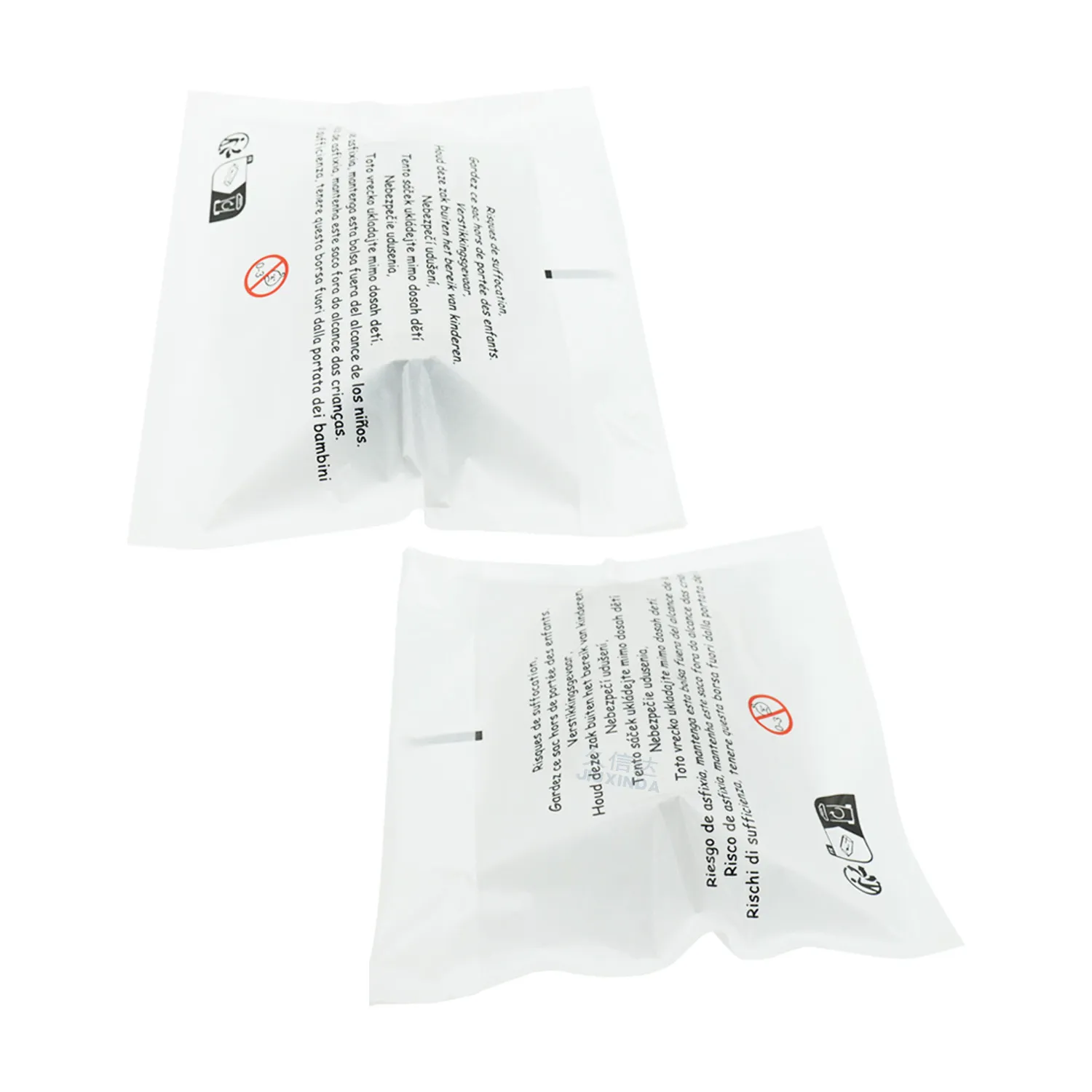
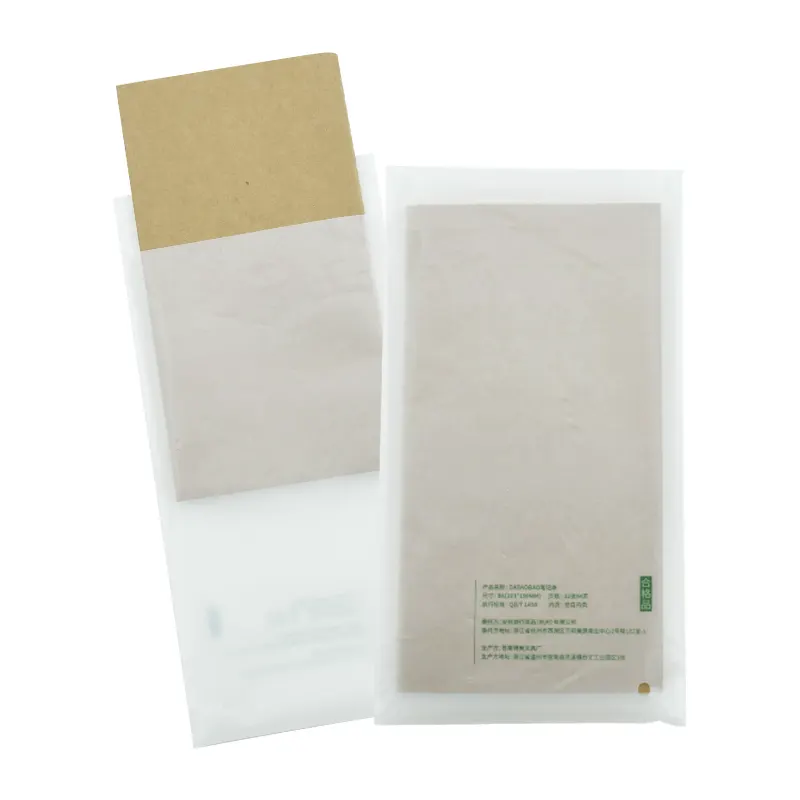
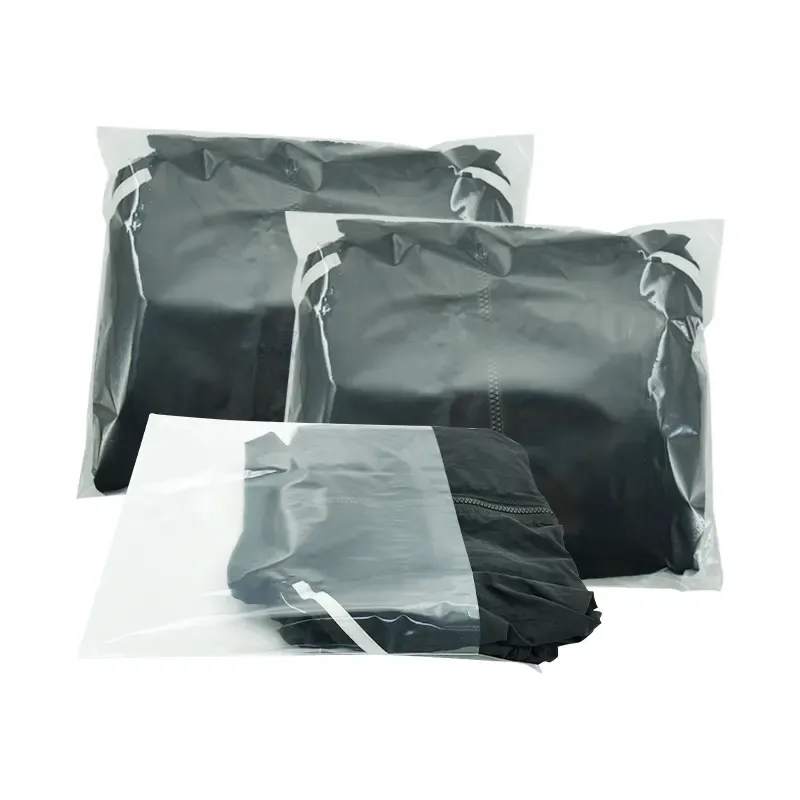
Environmentally friendly packaging has evolved from a marketing trend into a mandatory business standard for global retailers, e-commerce brands, and wholesale distributors. As international plastic regulations tighten and consumer eco-awareness rises, more companies replace traditional plastic packaging with sustainable alternatives to maintain market competitiveness. However, many buyers struggle with ambiguous custom standards, inconsistent eco-product quality, unprofessional suppliers, and unclear return on investment after switching to green packaging. This guide is written from real B2B procurement perspectives, covering customization preparation, core cooperation precautions, manufacturer screening logic, and the long-term commercial value that qualified environmentally friendly packaging manufacturers can bring to your brand.
Essential Information to Prepare for Custom Environmentally Friendly Packaging
Successful environmentally friendly packaging customization relies on clear demand positioning, rather than blind imitation of popular green packaging styles. Different eco-materials have unique production limits, so incomplete requirements often lead to finished products that fail functional or environmental standards.
Before contacting manufacturers, buyers need to confirm four key dimensions of information. First, clarify your core packaging scenarios, including product storage, retail display, cross-border logistics, or gift packaging, to determine whether you need paper-based, recycled-plastic, or fully compostable packaging materials. Second, define targeted eco-standards, such as home compostable, industrial compostable, or zero single-use plastic requirements, to match local market policies and brand sustainability promises. Third, organize complete brand assets, including logos, color specifications, brand copy, and functional reminder text, to ensure unified brand presentation across all packaging batches. Fourth, confirm order volume, batch delivery frequency, and budget range, allowing manufacturers to recommend the most cost-effective environmentally friendly packaging solutions for long-term cooperation. Clear pre-order information avoids repeated proofing and unnecessary procurement costs.
Key Notes When Customizing & Cooperating for Green Packaging
Many B2B buyers encounter hidden risks in environmentally friendly packaging cooperation, including greenwashing products, reduced packaging durability, and incompatible customization designs. These common pitfalls often occur due to ignoring the inherent characteristics of sustainable materials.
There are critical guidelines to follow during cooperation. First, never prioritize low prices over certified quality. Many low-cost environmentally friendly packaging products mix ordinary raw materials, resulting in inability to decompose or failure to pass official environmental audits. Second, avoid over-customization that damages eco-performance. Excessive special coatings, heavy ink printing, and non-sustainable auxiliary accessories will destroy the original environmental attributes of packaging. Third, balance usability and green performance. Some overly thin or simplified eco-packaging designs cannot support long-distance transportation and daily stacking, causing product damage during delivery. Fourth, confirm batch consistency standards in advance, to prevent color difference, texture deviation, and performance fluctuation between different production batches. Standardized cooperation rules ensure both environmental compliance and practical packaging performance.
How to Select Qualified Environmentally Friendly Packaging Manufacturers
Excellent environmentally friendly packaging manufacturers are not only production suppliers, but also professional green packaging solution partners. Ordinary packaging factories can only provide single product production, while professional eco-packaging manufacturers can support brand long-term sustainable development.
Buyers can screen reliable manufacturers through four core evaluation dimensions. First, verify complete and valid environmental certifications, including international compostable certificates, recycled material qualification reports, and environmental production system certifications, to ensure full market compliance. Second, assess professional solution capabilities: qualified manufacturers can recommend matched eco-materials, optimize structural design, and adjust printing schemes according to buyers’ product attributes and sales scenarios. Third, inspect independent green production workshops and equipment, ensuring no mixed production with traditional plastic products to guarantee pure eco-material quality. Fourth, evaluate long-term service stability, including fixed quality inspection teams, transparent production processes, and complete after-sales mechanisms to solve batch quality problems in a timely manner. Scientific supplier selection eliminates most procurement risks of environmentally friendly packaging.
Core Business Value That Professional Eco-Packaging Manufacturers Bring
Choosing formal environmentally friendly packaging manufacturers brings far more value than simple product supply. Reliable suppliers help brands reduce compliance risks, optimize packaging costs, upgrade brand image, and adapt to continuously updated global environmental policies.
First, they help brands avoid greenwashing disputes and customs clearance failures. Standardized eco-materials and complete certification documents support global market sales and policy compliance. Second, professional manufacturers provide continuous packaging optimization suggestions, helping brands reduce material waste, lower overall packaging costs, and improve unboxing experience. Third, stable batch quality and unified brand presentation enhance brand professionalism and consumer trust, increasing repurchase rates and social reputation. Fourth, long-term cooperative manufacturers support iterative packaging upgrades, seasonal customization, and flexible batch delivery, fully adapting to brand product updates and market expansion rhythms. In the long run, professional environmentally friendly packaging manufacturers become important auxiliary partners for brand sustainable operation and market competitiveness improvement.
Conclusion
Environmentally friendly packaging has become a standard configuration for modern brand sustainable operation. By preparing complete custom demand information, avoiding common green packaging cooperation pitfalls, selecting certified and experienced manufacturers, and leveraging supplier professional value, B2B buyers can achieve safe, compliant, and high-value green packaging procurement. Working with reliable environmentally friendly packaging manufacturers not only solves packaging supply problems, but also empowers brand high-end positioning and long-term sustainable development.
BUYER QUESTIONS