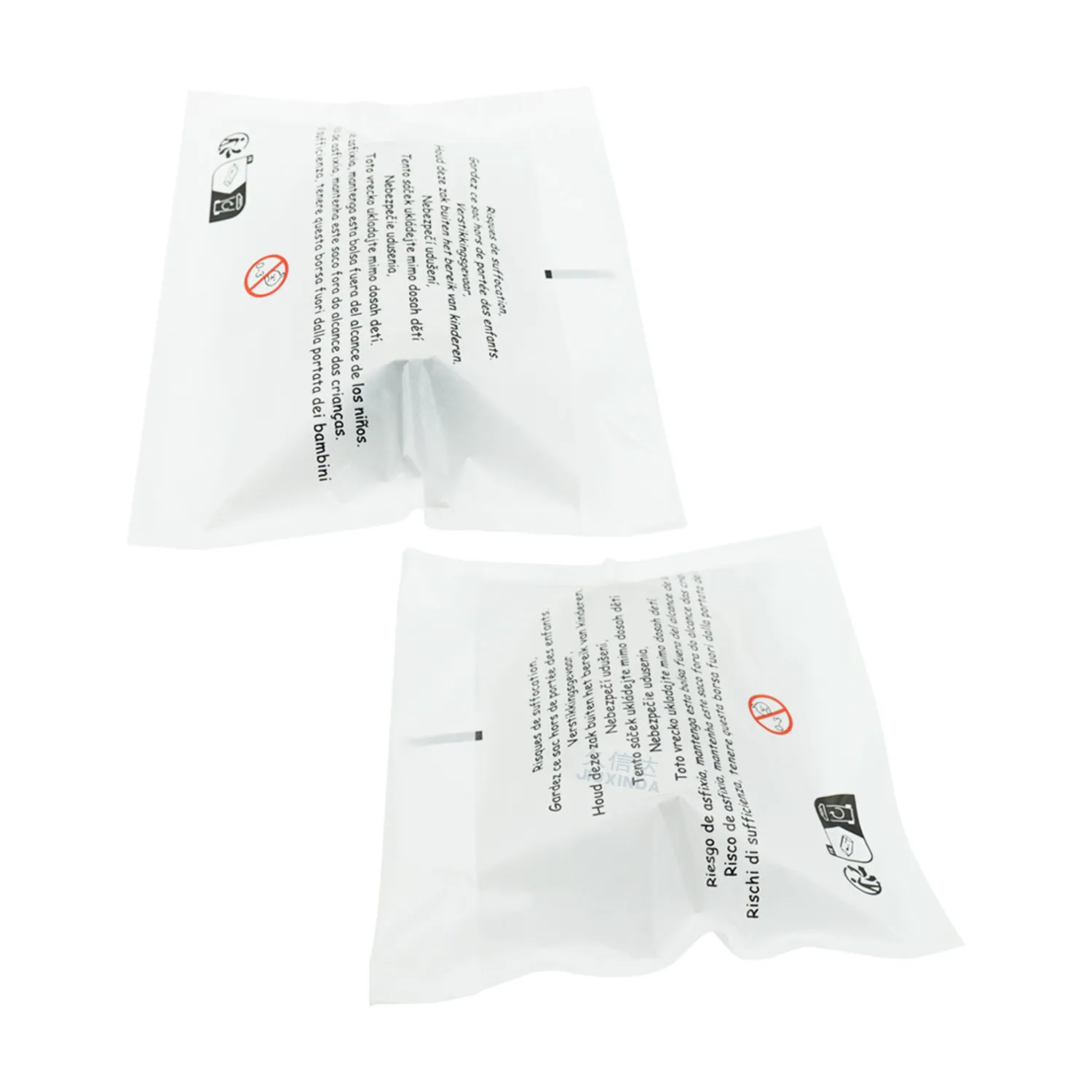
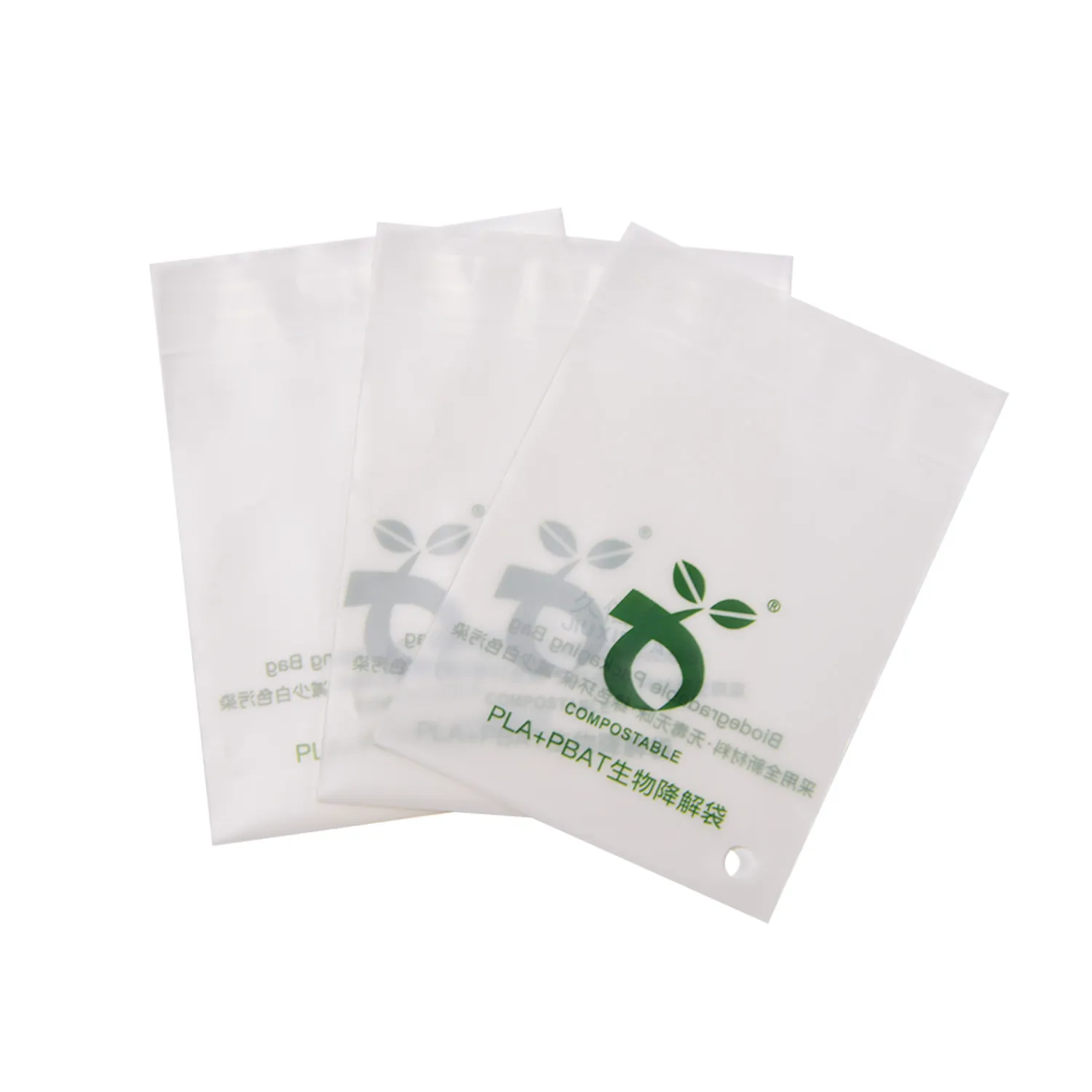
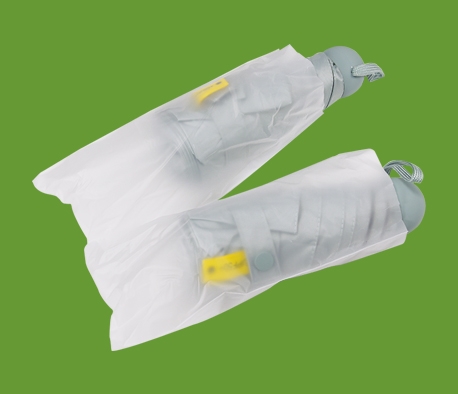
Transparent biodegradable bags have quickly become a favorite packaging option for modern apparel brands, clothing boutiques, and online fashion stores. Unlike matte or opaque packaging, clear biodegradable bags highlight garment texture, fabric details, and product styling while delivering full eco-friendly compostable performance. They are widely used for garment display, customer takeaway packing, e-commerce clothing shipping, and seasonal apparel gift packaging. However, many fashion buyers encounter practical procurement issues: unclear custom parameters leading to mismatched packaging presentation, improper printing ruining the transparent high-end look, unprofessional suppliers providing foggy or low-degradability bags, and poor lead time control delaying new apparel launches. This article breaks down the full custom sourcing process from apparel buyers’ perspective.
Custom Details Apparel Buyers Need to Prepare in Advance
Transparent biodegradable bags for clothing have unique customization logic compared with regular packaging. Clear material features zero visual shielding, which means every size, printing detail and functional design directly affects brand display effects. Vague requirements will cause finished products to look unprofessional and inconsistent with brand positioning.
Before sending custom inquiries, apparel buyers need to confirm four key items. First, targeted size specifications based on garment categories: customize different width, length and thickness standards for thin T-shirts, knitted fabrics, formal dresses and thick winter outfits to avoid overstretching or loose fitting. Second, define usage scenarios, including in-store retail display, customer carry packaging, online parcel shipping and wholesale inner packaging, to decide anti-scratch, dust-proof and tensile requirements. Third, prepare minimalist brand design files, including vector logos, subtle brand slogans and official color codes. Since transparent bags focus on clarity, all patterns must be refined and low-key to avoid messy visual effects. Fourth, confirm order quantity and batch delivery rhythm matching seasonal new product release plans. Complete pre-order information ensures one-time accurate customization for transparent biodegradable packaging.
Critical Customization Notes for Apparel-Grade Transparent Biodegradable Bags
Most clothing buyers make customization mistakes by applying ordinary bag design rules to transparent biodegradable materials. Excessive printing, improper position layout and unreasonable thickness setting will destroy the clear texture and even weaken the biodegradable performance, causing poor customer unboxing experience.
There are exclusive customization principles for fashion transparent packaging. First, keep printing minimal and delicate. Avoid large-area solid printing and heavy ink layers, which block transparency, cover fabric display and slow down biodegradation. Second, reserve clean blank areas on the bag surface to fully present garment colors and textures, which is the core advantage of transparent packaging. Third, match material thickness reasonably. Too thin transparent bags are prone to wrinkles and scratches, affecting high-end apparel display; overly thick materials will cause stiff appearance and reduce packaging delicacy. Fourth, avoid hard-edged sealing processes that may scratch delicate fabrics such as silk, linen and lace. Reasonable customization maintains both the eco-friendly property and premium visual effect of transparent biodegradable bags.
How to Choose Reliable Transparent Biodegradable Bag Manufacturers
Transparent degradable packaging has higher production thresholds than ordinary matte bags. Many manufacturers can only produce hazy, low-clarity products or add excessive fillers to reduce costs, resulting in poor transparency, unstable toughness and incomplete degradation. For apparel brands, unqualified transparent bags will directly downgrade product display quality.
Apparel buyers can screen ideal suppliers through four key standards. First, check transparent film production capability: professional manufacturers adopt high-transparency PLA+PBAT formulas with no foggy texture, ensuring clear and pure visual effects for garment display. Second, verify eco-friendly certification authenticity, including EN13432 and ASTM D6400 certificates, to ensure full compostability and meet global brand green packaging standards. Third, evaluate fine printing technology: qualified factories support ultra-fine pattern printing without ink overflow, color deviation or surface speckles, suitable for high-end fashion brand customization. Fourth, inspect batch stability: reliable suppliers lock fixed raw material ratios and production parameters to ensure consistent transparency, toughness and clarity across all batches, avoiding inconsistent retail display effects.
Lead Time Control & Batch Supply Solutions for Apparel Seasonal Orders
The fashion industry features fast seasonal updates and frequent new arrivals. Transparent biodegradable bags require precise film blowing, printing and drying processes, with stricter quality control steps than ordinary plastic bags. Poor lead time arrangement easily leads to packaging shortages and delays in new clothing launches and promotional sales.
Buyers need to formulate seasonal lead time plans for custom transparent biodegradable bags. Standard custom printed orders take 8–13 working days for full production and inspection. It is necessary to place orders in advance according to spring, summer, autumn and winter new collection schedules, and reserve 3–5 days of buffer time for slight visual adjustment and quality recheck. For frequent small-batch updates of fashion styles, negotiate flexible batch delivery and supplementary order policies with manufacturers. During peak holiday shopping seasons, confirm supplier priority production mechanisms to ensure stable packaging supply. Scientific lead time management keeps apparel brand packaging updates synchronized with product iteration rhythms.
Conclusion
Transparent biodegradable bags are ideal high-end eco-packaging choices for modern apparel brands, balancing clear product display, green sustainability and delicate brand presentation. By preparing apparel-matched custom parameters, following transparent material customization rules, selecting professional high-clarity manufacturers, and arranging reasonable seasonal lead time plans, fashion buyers can effectively avoid customization defects and supply risks. Stable and premium transparent biodegradable packaging helps brands enhance customer unboxing experience and build a sustainable, high-end brand image.
BUYER QUESTIONS