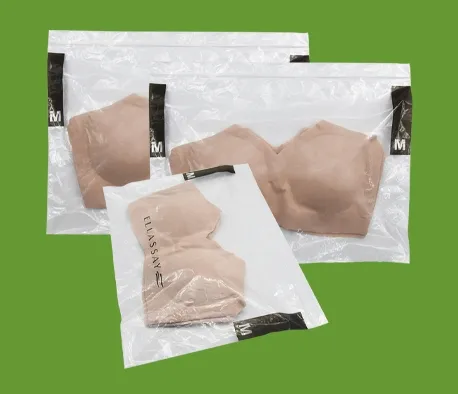
Packaging plastic bags remain the most practical, cost-efficient, and widely used packaging solution for manufacturing, retail, e-commerce, and wholesale industries. They offer excellent flexibility, durability, and protection for daily product storage, handling, and shipping. While many buyers purchase standard plastic bags in bulk, most brand-level clients require fully customized sizes, printing, thickness, and functions to match their product positioning and packing lines. However, improper customization, unclear technical requirements, unqualified manufacturers, and unstable lead times often lead to defective goods, wasted budgets, and delayed shipments. This guide summarizes key purchasing tips from real B2B sourcing perspectives to help buyers place stable, high-quality custom packaging plastic bag orders.
Key Information You Must Prepare for Custom Packaging Plastic Bags
Successful customization starts with clear and complete technical details. Many production errors and repeated sample adjustments occur simply because buyers provide vague requirements, leaving manufacturers unable to match the right materials and craftsmanship.
Before sending inquiries, buyers should finalize four core sets of information. First, confirm exact physical specifications, including bag style, width, length, gusset size, and film thickness. These parameters directly determine load-bearing capacity and packing compatibility. Second, define usage scenarios, such as inner product packaging, retail display, or logistics shipping, which helps suppliers recommend suitable hardness, toughness, and surface finish. Third, prepare finished design resources, including vector logos, brand color codes, text content, warning symbols, and precise print positions. Fourth, clarify order volume, packaging standards for finished goods, and required delivery timeline. Providing standardized information allows manufacturers to deliver accurate samples and mass-produce qualified products in one cycle.
Critical Customization Rules to Avoid Common Defects
Customizing packaging plastic bags is not only about adding brand logos. Unreasonable design and parameter settings often cause hidden functional defects that affect daily packing efficiency and customer experience.
Practical Standards to Qualify Reliable Plastic Bag Manufacturers
Many buyers prioritize low unit prices when selecting suppliers, which easily leads to cooperation with unstable small factories with inconsistent raw materials and poor quality control. Choosing the right manufacturer is the key to stable long-term bulk procurement.
There are four practical judging criteria for qualified manufacturers. First, verified production capacity: reliable factories own complete film blowing, printing, sealing, and slitting equipment, supporting large-volume continuous production without outsourcing. Second, standardized quality control: suppliers must conduct batch inspections for thickness tolerance, sealing strength, printing clarity, and tensile performance before shipment. Third, mature customization capability: professional manufacturers can handle diverse custom demands, including special anti-slip, anti-static, waterproof, and easy-tear designs. Fourth, stable raw material supply: fixed raw material suppliers ensure consistent bag transparency, hardness, and texture across all batches, avoiding obvious batch differences.
Lead Time Management & Stable Supply Strategies for Bulk Orders
For ongoing business operations, delivery stability is as important as product quality. Many buyers face packaging shortages and shipment delays due to underestimated production cycles and inflexible supplier scheduling, especially during peak sales seasons.
Buyers should clarify the full custom production cycle in advance. Custom printed packaging plastic bags require plate making, printing, aging treatment, and quality inspection, with a standard cycle of 7 to 12 working days. Always reserve buffer time for unexpected equipment adjustments or minor design revisions. For long-term cooperation, negotiate flexible supply policies, including priority production for urgent orders and phased delivery to reduce warehouse pressure. Reliable manufacturers will arrange reserved production capacity for regular clients, ensuring continuous and stable packaging supply throughout seasonal peaks and promotional periods.
Conclusion
Custom packaging plastic bags are fundamental consumables that support daily business packaging and product branding. By preparing complete custom specifications, avoiding impractical design flaws, screening manufacturers based on production and quality strength, and arranging scientific lead time plans, buyers can effectively reduce sourcing risks and achieve stable, cost-effective, and high-quality packaging procurement for long-term business growth.