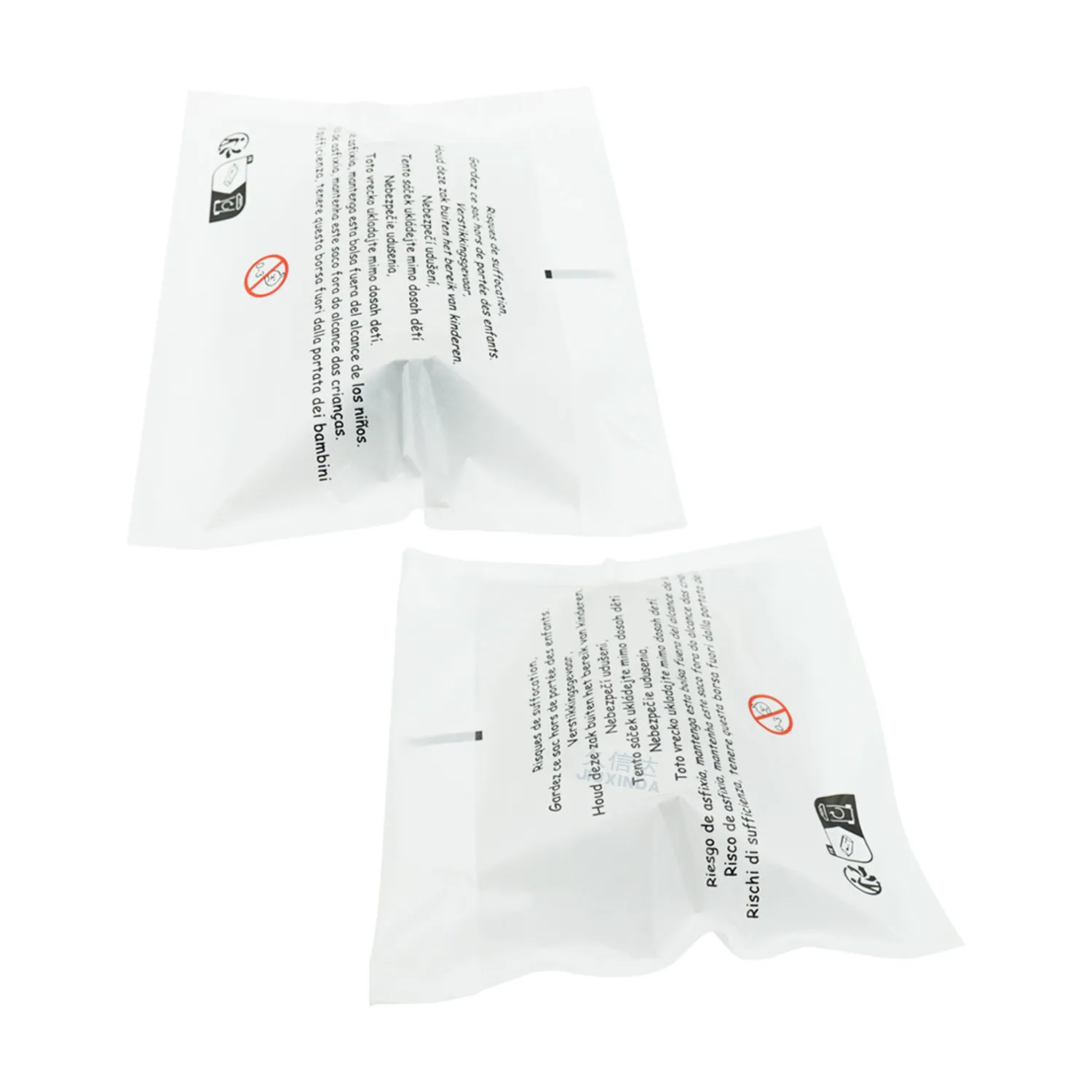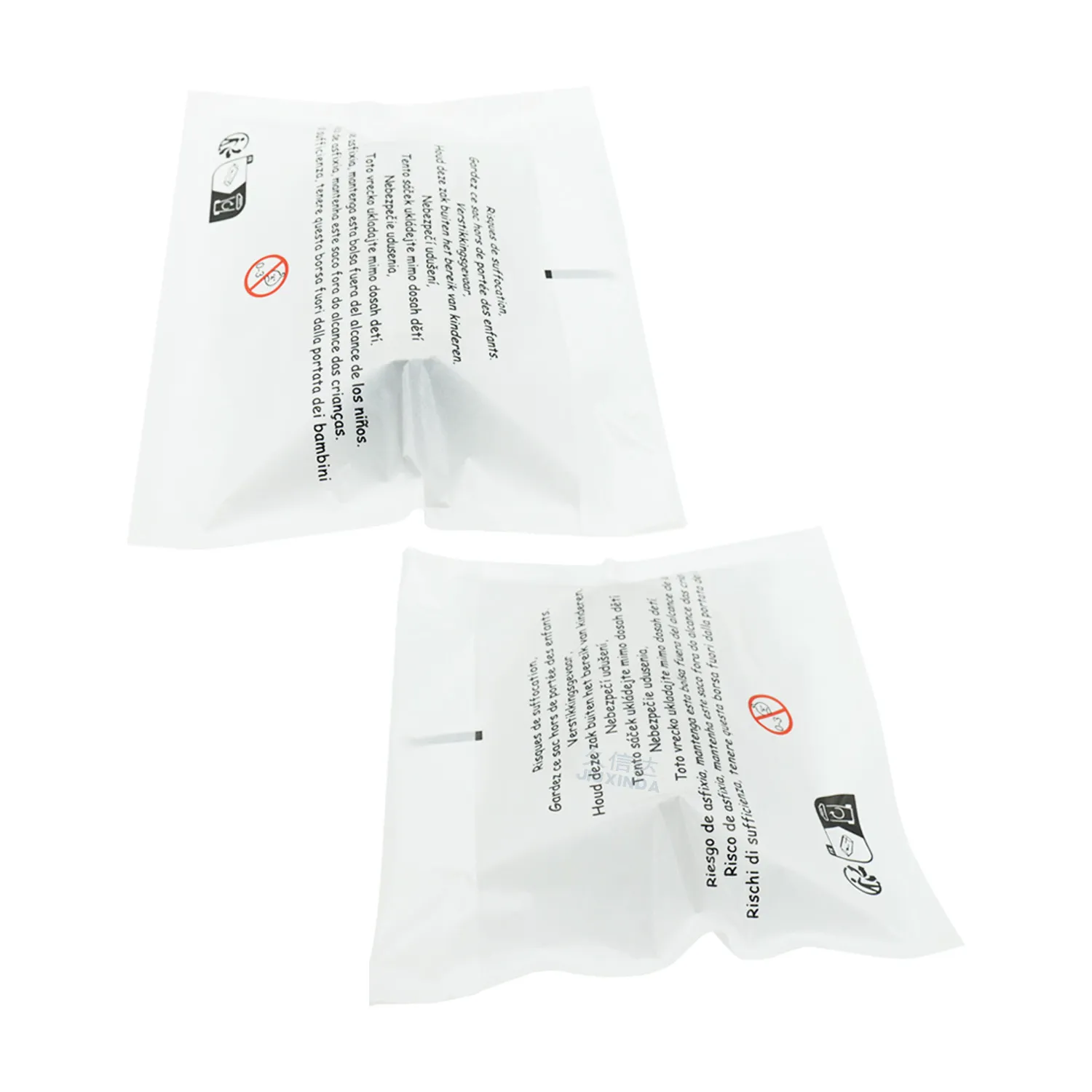
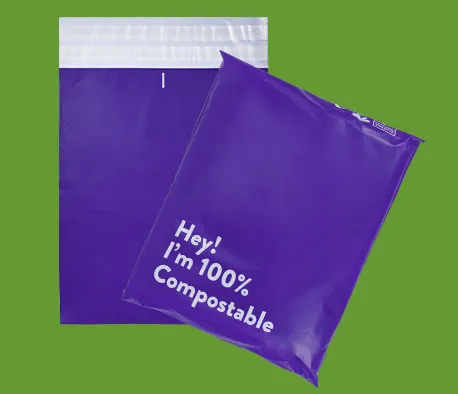
As global courier companies and e-commerce brands phase out traditional plastic shipping packaging, biodegradable mailing bags have become the mainstream green solution for parcel delivery, retail shipping and brand logistics. Made from premium PLA and PBAT blended materials, these eco mailers deliver strong tear resistance, waterproof performance and full compostability, solving both logistics packaging demands and environmental compliance issues. However, many bulk buyers encounter practical sourcing challenges due to improper customization parameters, unclear design requirements, unprofessional manufacturers, and unstable delivery cycles. This article shares a buyer-oriented guide to help you customize correctly, select reliable suppliers, and arrange orders reasonably.
Required Details to Customize Biodegradable Mailing Bags
Biodegradable mailing bags are professional logistics packaging, so their customization parameters are more targeted than ordinary packaging bags. Incomplete information at the inquiry stage often leads to unusable finished products and repeated sample modifications.
Before launching custom orders, buyers need to confirm and submit four key details. Firstly, logistics-based specifications: provide exact bag length, width, gusset size and film thickness based on your common parcel sizes and product weights to avoid bag tearing or over-sizing during shipping. Secondly, functional requirements for courier use: clarify whether you need permanent self-adhesive strips, easy-tear lines, anti-pressure performance and weather resistance for long-distance transportation. Thirdly, brand and compliance printing materials, including vector logos, brand color codes, shipping marks, eco-compostable labels and disclaimer texts required for cross-border logistics. Fourthly, order volume and stocking cycles, so manufacturers can arrange suitable production lines and raw material allocation. Clear and standardized requirements ensure one-time successful customization.
Critical Customization Precautions for Eco-Friendly Mailing Bags
Many buyers treat biodegradable mailing bags the same as ordinary plastic courier bags, which easily damages their compostable properties and causes potential greenwashing risks. Degradable logistics mailers have exclusive customization limits that buyers must follow.
First, avoid full-coverage heavy printing. Thick ink layers block air and moisture penetration, slowing down the degradation process and leaving residual fragments. Second, never place printed content on the adhesive sealing area, as repeated friction during sorting and delivery will cause ink peeling and messy parcel surfaces. Third, do not pursue ultra-thin material to reduce costs. Mailing bags face violent extrusion, friction and stretching during courier sorting; unreasonably thin materials lead to high breakage rates and parcel damage claims. Fourth, reject non-degradable accessories such as plastic reinforcing stickers, which turn fully compostable bags into non-compliant packaging. Scientific customization balances logistics durability and environmental performance.
How to Choose Trusted Biodegradable Mailing Bag Manufacturers
The rapid market growth of eco shipping bags has led to mixed-quality suppliers. Many factories mix cheap fillers into PLA/PBAT materials, resulting in pseudo-degradable mailing bags that fail international compliance tests. Selecting the right manufacturer is critical for stable long-term logistics packaging supply.
Buyers can screen qualified manufacturers through four practical standards. First, independent degradable production lines: reliable factories use dedicated film blowing and printing equipment for biodegradable materials, without mixing ordinary plastic production. Second, complete international certifications, including EN13432, ASTM D6400 and OK Compost, to meet EU and US cross-border logistics standards. Third, stable material formula: formal suppliers insist on pure PLA+PBAT formulas with fixed blending ratios, providing material test reports for each batch. Fourth, logistics packaging experience: professional manufacturers are familiar with courier industry standards, capable of optimizing bag toughness, viscosity and sealing performance for high-frequency sorting scenarios. Experienced factories effectively avoid batch quality fluctuations and shipping adaptability problems.
Lead Time Planning & Stable Supply Strategies for Bulk Shipping Orders
E-commerce and logistics industries have obvious peak seasons, requiring continuous packaging stocking. Biodegradable mailing bags have more complex production processes than traditional plastic bags, making lead time management a key factor in smooth daily parcel delivery.
Buyers need to master standard production cycles for custom biodegradable mailing bags. Custom printed styles usually take 8–14 working days for plate making, mass production and quality inspection, while blank conventional styles take only 5–7 working days. It is necessary to reserve 3–5 days of buffer time to cope with raw material debugging and seasonal production adjustments. For long-term logistics cooperation, buyers can negotiate flexible supply policies, including seasonal capacity reservation, batch phased delivery and emergency rush-order services. Reasonable lead time arrangement prevents packaging shortages during shopping festivals and peak shipping seasons, ensuring zero interruption to daily parcel delivery.
Conclusion
Biodegradable mailing bags are essential compliant packaging for modern green logistics and cross-border e-commerce. By preparing complete custom specifications, following professional eco-customization rules, screening certified and experienced manufacturers, and scientifically arranging production lead times, buyers can avoid most procurement and quality risks. Stable supply of high-quality biodegradable mailing bags helps brands achieve sustainable packaging upgrades, meet global environmental regulations, and improve overall logistics service quality.
BUYER QUESTIONS