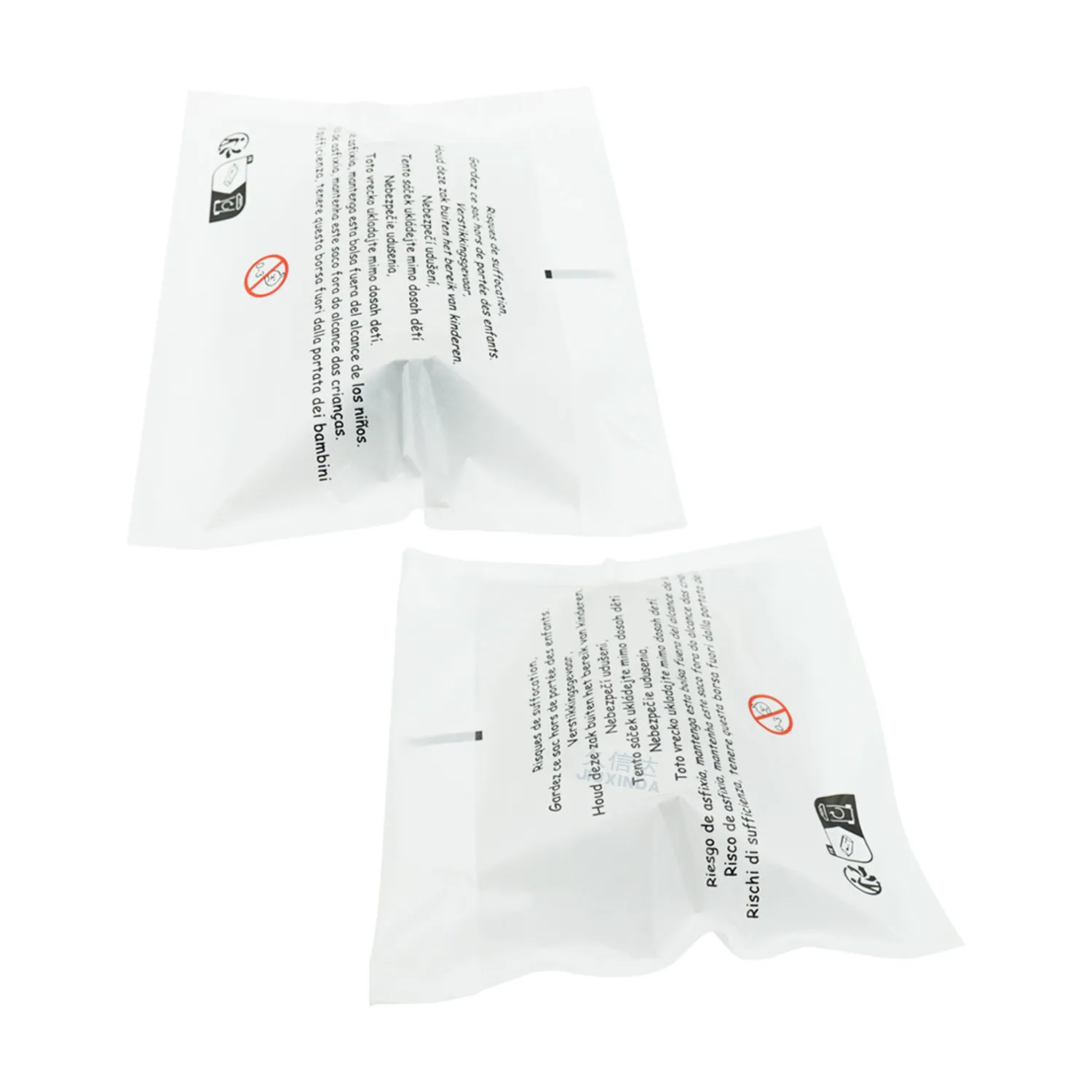
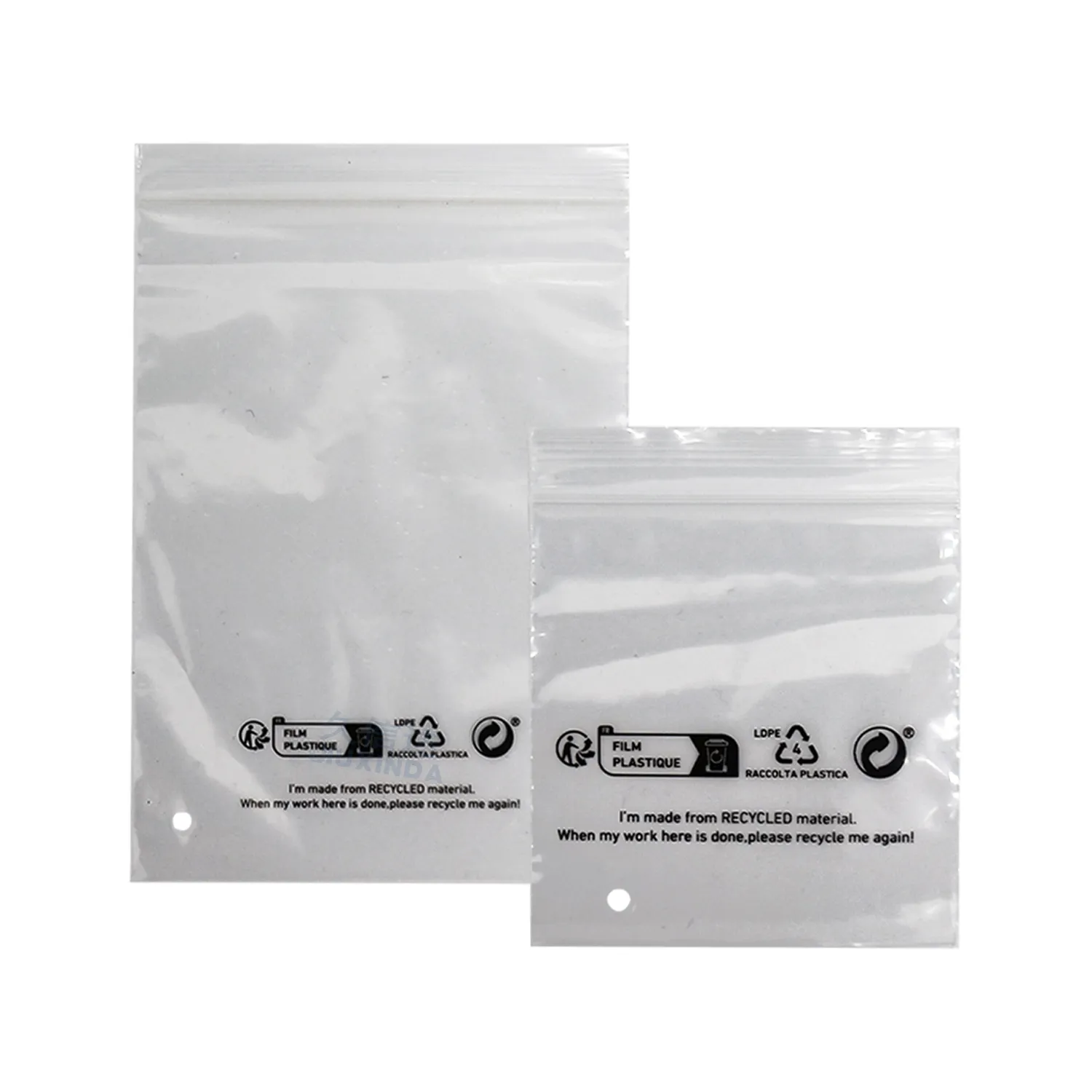
Recycled poly mailers have become a mainstream sustainable shipping solution for e-commerce stores, retail brands and fulfillment centers. Made from post-consumer recycled plastic, these lightweight shipping mailers reduce plastic waste, lower carbon footprints and offer cost-effective logistics packaging compared to virgin plastic and fully compostable alternatives. More brand buyers are switching to custom recycled poly mailers to align with corporate green goals while keeping shipping costs stable. However, many buyers face common sourcing challenges including unclear custom parameters, improper printing designs affecting durability, unqualified manufacturers with unstable recycled material purity, and tight lead times disrupting order fulfillment. This guide shares practical buyer-focused tips for customizing, vetting suppliers and managing bulk orders of recycled poly mailers.
Customization Information to Prepare Before Ordering Recycled Poly Mailers
Custom recycled poly mailers require precise parameter confirmation, as recycled material properties differ from standard virgin poly mailers. Incomplete requirement details often lead to mismatched bag toughness, unsatisfactory printing results and unnecessary sample redo.
Before submitting inquiries, buyers should prepare four key sets of information. First, define exact physical specifications including mailer size, film thickness, side gusset capacity and stretch tolerance based on your regular product dimensions and parcel weight. Second, clarify recycled material grade, such as 50%, 80% or 100% recycled poly content, to match your brand’s sustainability claims and market standards. Third, organize complete brand assets including vector logos, custom color codes, brand slogans and required warning text for exterior shipping printing. Fourth, confirm order volume, packaging standards for finished cartons and expected delivery deadline. Clear and standardized pre-order information allows manufacturers to produce accurate samples and achieve one-time mass production success.
Critical Customization Notes for Durable Recycled Poly Mailers
Many buyers customize recycled poly mailers using the same design logic as ordinary virgin plastic mailers, ignoring the subtle texture and tension differences of recycled materials, which easily causes printing defects and reduced tear resistance.
There are essential customization rules buyers must follow. Avoid overly dense multi-layer printing, as recycled poly film has slightly rougher surface texture, which may lead to uneven ink adhesion with complex designs. Keep printed patterns away from edge sealing and self-adhesive zones to prevent peeling during repeated extrusion and courier sorting. Do not pursue ultra-thin thickness to cut costs; recycled materials have lower tensile strength than virgin plastic, and ultra-thin designs will cause high parcel breakage rates. In addition, maintain reasonable color matching contrast to avoid dull printing presentation caused by the natural frosted tone of recycled poly. Proper customization balances brand appearance, shipping durability and material characteristics of recycled poly mailers.
How to Screen Professional Recycled Poly Mailer Manufacturers
The recycled packaging market has uneven factory quality. Some suppliers mix excessive fillers or low-purity recycled materials to lower prices, resulting in mailers with poor toughness, easy aging and false environmental protection labels. Choosing a professional manufacturer determines long-term order stability and brand credibility.
Buyers can evaluate suppliers through four core dimensions. First, material transparency: reliable manufacturers can provide clear recycled material proportion data, recycling source certificates and batch test reports to prove genuine recycled content. Second, targeted production equipment: qualified factories have dedicated film blowing and printing lines for recycled poly materials, adjusting production parameters to adapt to recycled film characteristics. Third, quality control system: formal suppliers conduct strict testing on mailer tensile strength, sealing tightness, adhesive stability and aging resistance for every batch. Fourth, industry experience: professional manufacturers are familiar with e-commerce shipping standards, capable of optimizing mailer flexibility and compression resistance for long-distance transportation and automatic sorting systems.
Lead Time & Inventory Strategies for Bulk Recycled Poly Mailer Orders
Unlike ordinary plastic mailers, recycled poly mailers require dedicated material blending and stabilized film production, leading to slightly longer but more stable production cycles. Unreasonable time planning often causes packaging stockouts during promotional peaks and seasonal restocks.
Buyers need to clarify the complete production cycle in advance. Custom printed recycled poly mailers normally take 7–12 working days for plate making, mass production and quality inspection, while blank standard mailers support faster delivery within 4–6 working days. It is recommended to reserve 3–4 days of buffer time to cope with material adjustment and batch quality inspection. For long-term bulk demand, buyers can negotiate flexible cooperation terms including seasonal capacity reservation, phased delivery and regular stock replenishment plans. Stable lead time management ensures continuous packaging supply and avoids delayed parcel fulfillment caused by recycled mailer shortages.
Conclusion
Custom recycled poly mailers are the ideal middle-ground sustainable packaging solution that balances eco-friendly value, shipping durability and cost control. By preparing complete custom specifications, following material-adaptive design rules, screening trustworthy recycled packaging manufacturers and arranging scientific lead time plans, B2B buyers can effectively avoid quality defects and supply risks. Stable bulk sourcing of recycled poly mailers helps brands build credible green images while maintaining efficient and cost-effective daily logistics operations.
BUYER QUESTIONS