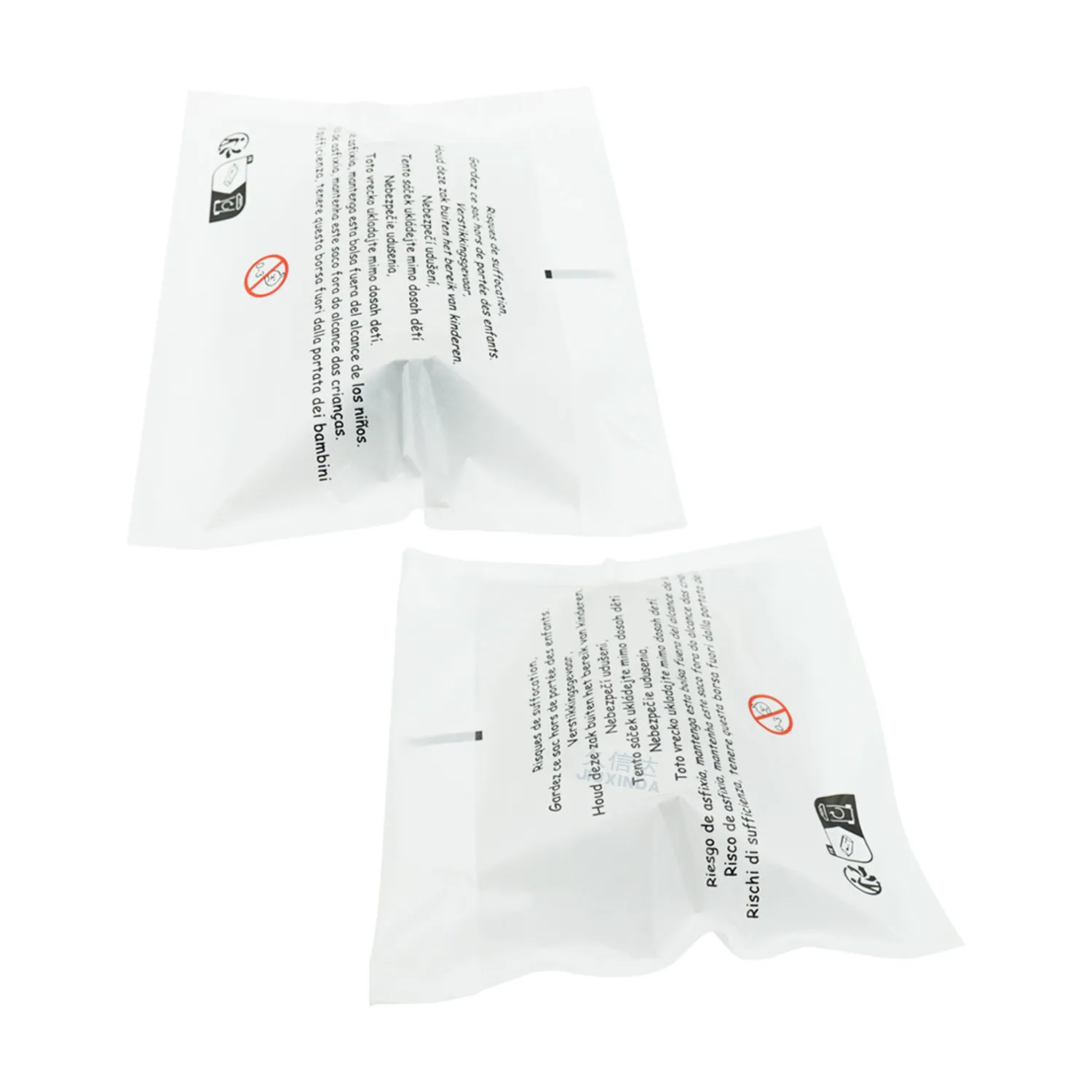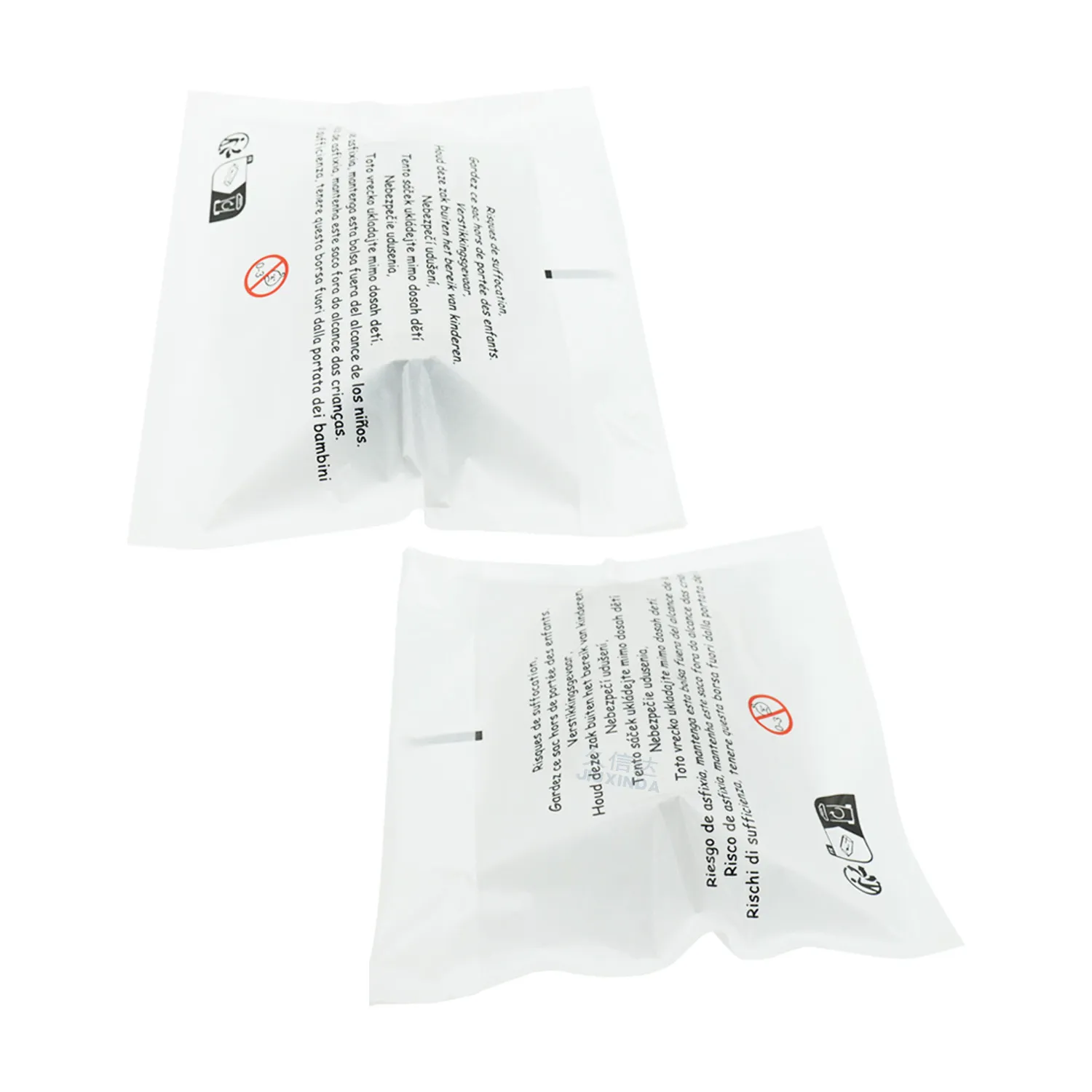
Custom biodegradable self-seal bags are used for apparel, textiles, consumer electronics accessories, cosmetics, personal care products and small components. An adhesive strip at the opening allows packers to close each bag without applying separate tape. JXD Eco-packaging develops the material, dimensions, thickness and print specification around the product, packing method and destination market.
For buyers selling into Europe, North America or Australia, the material name alone is not enough. The complete bag construction, including the adhesive, release liner, ink and any coating, should be checked against the intended environmental claim and the documents required in the destination market.
What Biodegradable and Compostable Mean in Packaging
A biodegradable material breaks down through biological activity under defined conditions and over a measurable period. The result depends on the formulation, product thickness, temperature, moisture and treatment facility. A bag described as biodegradable should not be assumed to disappear quickly when discarded in soil, water or the open environment.
Compostable packaging is assessed against specific standards and test conditions. Industrial composting, home composting, soil and marine environments are different end-of-life routes. Evidence for one route does not automatically support a claim for another.
This distinction matters when a buyer selects a packaging material or approves environmental wording for print. The safest approach is to define the target market and claim before finalizing the bag structure.
PLA+PBAT and Plant Fiber Material Options
PLA+PBAT Compostable Film
PLA+PBAT is a common material combination for compostable flexible packaging. PLA contributes stiffness, while PBAT helps improve flexibility and tear resistance. The formulation can be adjusted to suit the bag size, product weight and handling requirements.
PLA+PBAT can be suitable for clear or semi-transparent self-seal bags used to pack garments, accessories and other lightweight products. If a compostability logo or claim will appear on the bag, the selected material and finished construction must fall within the scope of the relevant certification or test documentation.
Plant Fiber Packaging
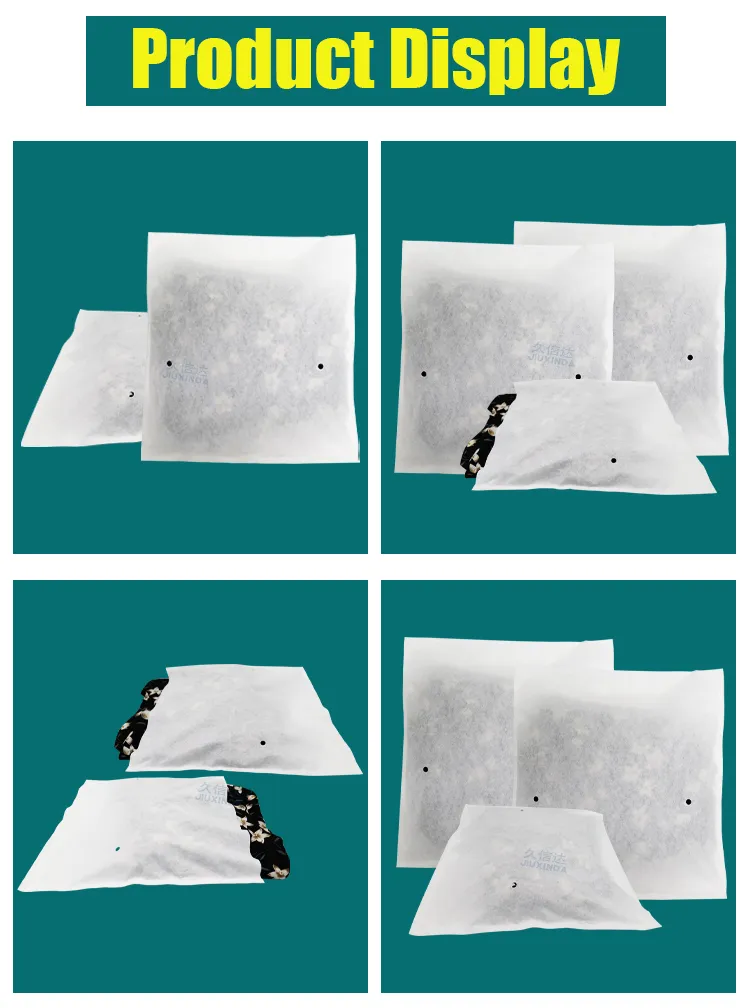
Plant fiber packaging may use wood-pulp fiber, cellulose or other fiber-based materials. Depending on the construction, it can provide a soft feel, low weight and a semi-transparent or frosted appearance. This option is often chosen when the packaging texture and visual presentation are as important as product protection.
A plant-based feedstock does not by itself prove that the finished bag is biodegradable or compostable. Adhesives, inks, coatings and liners all affect the final construction. JXD Eco-packaging can provide available material information and supporting supplier documents for review before production.
Suitable Products and Applications
Apparel and Textiles
Garments and textile products generally require larger bags with enough flexibility for efficient packing. Sample evaluation should cover seam strength, bag opening, adhesive-strip position and the amount of space needed to fold and insert the product.
Consumer Electronics Accessories
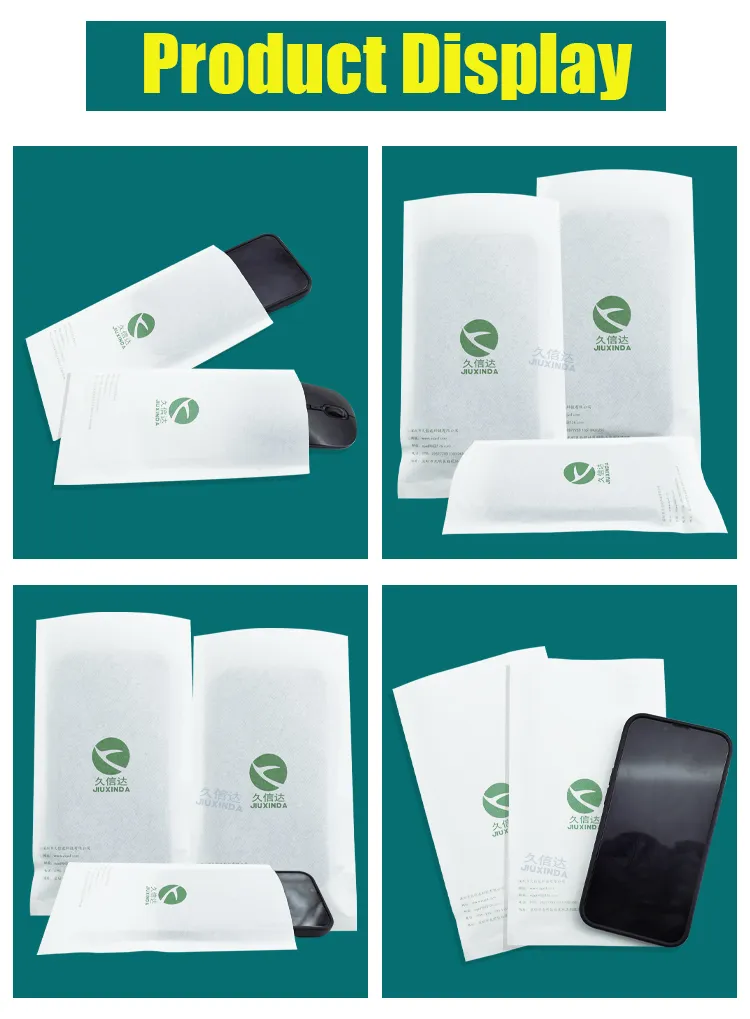
Earphones, charging cables and other 3C accessories need enough room for connectors, bundled cables and shaped components. Products with sharp corners may require a thicker material or a revised bag size to reduce puncture risk.
Cosmetics and Personal Care
The bag specification should account for the weight and shape of bottles, caps, tubes or boxed items. Any requirement for chemical resistance, leakage control or direct product contact must be discussed separately.
Small Parts and Hardware
Small components can create concentrated pressure at corners or edges. Product weight, surface shape and transport conditions should be reviewed before the thickness is confirmed.
Standard biodegradable bags are not an automatic substitute for antistatic, food-contact or high-barrier packaging. These performance requirements need a separate material and testing review.
Customization Options
JXD Eco-packaging can develop the following specifications around the packed product and the customer's artwork.
- Bag width, length and opening direction
- Material and thickness based on product weight and handling conditions
- Clear, semi-transparent, frosted or custom-color appearance
- Adhesive-strip position, release-liner width and flap allowance
- Printing for logos, product information, handling instructions and eligible environmental marks
- Packaging, barcode and carton-label requirements for export orders
Accurate dimensions are best confirmed with a physical product or a complete drawing. Space should be allowed for loading, the adhesive area and any bulky or pointed section of the product.
Sampling, MOQ and Production Lead Time
The standard minimum order quantity starts at 1,000 pieces. The final MOQ depends on the dimensions, material, print colors and production setup.
In-stock samples can normally be dispatched within 24 hours. A non-stock custom sample typically requires about seven business days. Once the sample, material and artwork are approved, standard mass production generally takes 7 to 14 business days. Timing should be reconfirmed against material availability and the current production schedule before the purchase order is placed.
How JXD Eco-packaging Manages a Custom Order
JXD Eco-packaging has manufactured custom packaging since 2010 and operates production facilities in Shenzhen and Dongguan. A typical project follows a practical approval process.
1. The buyer provides the product, dimensions, target market, order quantity and artwork requirements.
2. The team reviews the material, bag style, size, thickness and adhesive-strip configuration.
3. A stock sample or custom sample is prepared for fit and appearance checks.
4. The buyer confirms the sample, artwork and relevant documentation.
5. Mass production is scheduled, followed by the agreed inspection and packing requirements.
6. The finished order is prepared for shipment with the confirmed carton marks and export information.
This process gives procurement teams a defined approval point before volume production. It also helps identify problems with fit, transparency, print placement or sealing at the sample stage.
Compostability Certifications and Supporting Documents
JXD Eco-packaging can submit available documentation related to EN 13432 industrial composting, TÜV home composting, BPI certification in the United States and AS 4736 industrial composting in Australia for eligible PLA+PBAT materials or product structures.
Certification scope must be checked for each order. Buyers should review the certificate holder, certificate number, validity, material grade, product category, thickness range and test conditions. A certificate for one resin, film or bag construction may not cover a different size, adhesive system, ink or finished product.
For plant fiber projects, available material composition statements, supplier documents and relevant test reports can be provided for review. BSCI factory-audit documentation can also be discussed during the quotation stage. A factory social-compliance audit and a product compostability certificate serve different purposes, so one cannot replace the other.
If a certification mark will be printed on the bag, the buyer should also confirm authorization to use the mark and follow the applicable artwork rules.
Information to Include in Your RFQ
Providing the following information helps shorten the quotation and sampling process.
- Product dimensions and unit weight
- Preferred bag size or a physical product for trial packing
- Material preference, such as PLA+PBAT or plant fiber
- Required thickness or performance expectation
- Desired clarity, color and surface appearance
- Adhesive-strip and flap requirements
- Print-ready artwork and the number of print colors
- Order quantity
- Country or region of sale
- Required environmental claim or compliance document
- Target delivery date and shipping destination
When the bag size is uncertain, the product can be sent for trial packing and sample development.
BUYER QUESTIONS
Questions before requesting a quotation
Will a PLA+PBAT self-seal bag break down quickly in the natural environment?
That cannot be determined from the material name alone. Compostable materials need the conditions defined by the relevant standard and an appropriate treatment route. Industrial composting, home composting, soil and marine environments are not interchangeable.
Does the adhesive strip affect a compostability claim?
Yes. The adhesive, release liner, ink and coatings are part of the finished package. They should be included in the scope review before a claim or certification mark is approved for printing.
Which certification documents can JXD Eco-packaging provide?
Available documents may include EN 13432 industrial composting, TÜV home composting, BPI and AS 4736 certificates for eligible materials or structures. The documents supplied for an order depend on their current validity, the selected material grade and the construction of the finished bag.
Can PLA+PBAT and plant fiber bags use the same certificate?
Usually not. Their material composition, converting method and auxiliary components differ. Each option should be checked against its own material grade, bag construction and supporting documents. Finished-product testing may be required in some cases.
Request a Custom Self-Seal Bag Quote?
Send your product specifications, artwork and destination market to JXD Eco-packaging. Our team will review the bag construction, material option, sampling route and documentation requirements before confirming the quotation and production schedule.
What do I need to request a quotation?
Send the product dimensions, unit weight, preferred material, bag size, thickness, artwork, quantity, destination market and required delivery date. If exact dimensions are not available, send a product sample so the bag can be trial fitted.