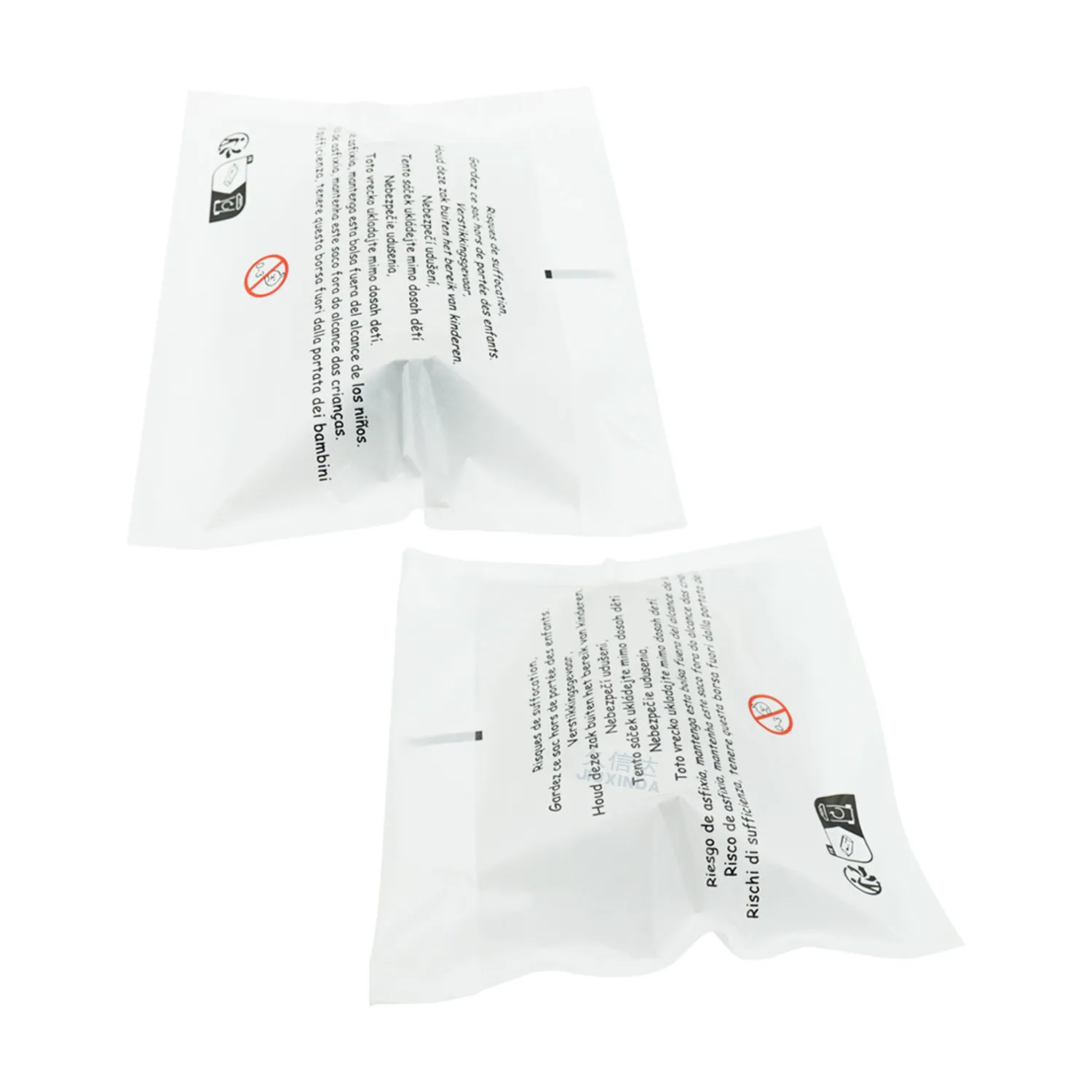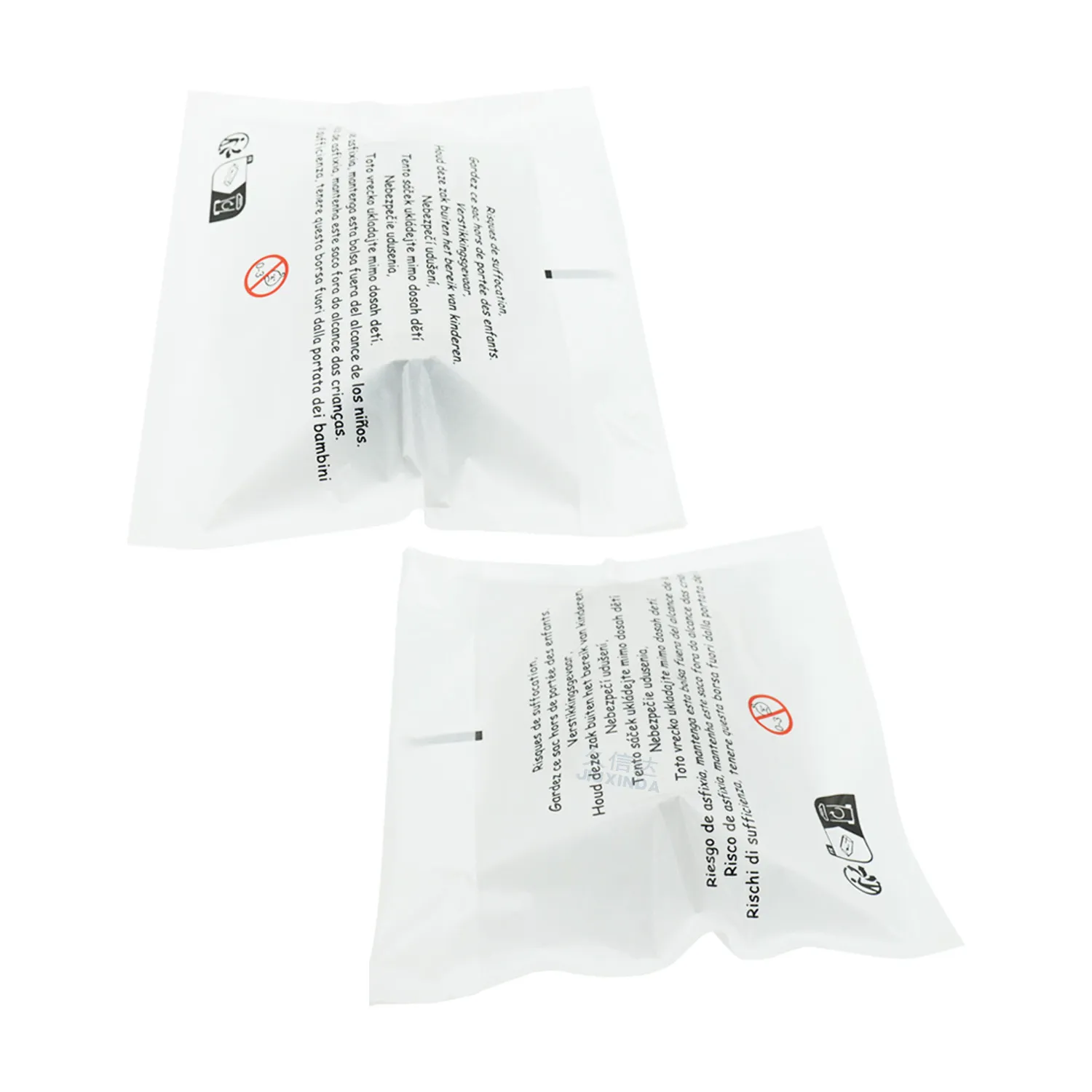
Searching for biodegradable bags suppliers often begins with a simple request for an environmentally responsible bag. The purchasing decision becomes more detailed once material performance, certification, printing, packing speed and destination market are considered.
A bag still has to protect the product, run smoothly on the packing line and arrive with clear supporting documents. The environmental claim also has to match the material and the conditions in which the bag is designed to break down.
JXD Eco-packaging works with brands, manufacturers and export businesses that need custom biodegradable and recyclable packaging. Since 2010, we have focused on flexible packaging development and production, including film making, printing, slitting and bag converting.

Biodegradable and Compostable Do Not Mean the Same Thing
Biodegradable is a broad description. It does not, by itself, tell a buyer how long a material will take to break down, what conditions are required or whether the finished package has been independently certified.
Compostable packaging is assessed against defined conditions and test criteria. Those conditions may involve industrial composting or another specified treatment route. Buyers should therefore ask which standard applies, whether the certificate covers the finished product and what disposal wording may be printed on the bag.
JXD Eco-packaging develops compostable bag options using material systems such as PLA and PBAT. Available certification and testing documents are reviewed against the material, bag construction and order specification before an environmental claim is confirmed.
How to Compare Biodegradable Bags Suppliers
Start with the Intended Use
The packed product determines the first part of the specification. A lightweight garment bag has different strength and sealing requirements from a mailing bag, electronics accessory bag or industrial inner liner.
Useful project information includes the product dimensions, packed weight, sharp edges, storage period, shipping conditions and method of filling. These details guide film thickness, bag size, closure and sealing design.
Ask What the Certification Covers
A certificate should be connected to a defined material or product scope. Buyers should check the certificate holder, standard, validity, covered product and any conditions attached to logo use.
Depending on the selected product, JXD Eco-packaging can provide applicable documentation associated with standards or certification systems such as EN 13432, BPI, TÜV and AS 4736. Document availability and relevance are confirmed for each project rather than assumed for every bag.

Test Performance Before Production
Environmental properties do not remove the need for practical testing. A custom bag should still be checked for size, seal strength, puncture resistance, closure performance and print quality.
Samples should be tested with the actual product whenever possible. This quickly shows whether the opening is wide enough, the bag is too tight, a metal component may puncture the film or the closure can withstand transport.
Review Printing and Environmental Claims Together
Custom printing may include a logo, product information, barcode, QR code, safety warning and disposal instructions. The artwork needs to suit the bag material and printing process.
Environmental wording should be reviewed before plates or cylinders are prepared. Claims such as compostable, biodegradable or certified should match the supporting documents and the market where the product will be sold. This reduces the risk of costly artwork changes after sampling.
Look Beyond the Sample
A good sample proves that a design can be made. It does not automatically prove that every production batch will match it. Buyers comparing biodegradable bags suppliers should also ask how specifications are passed from sampling to production and which checks take place during manufacturing.
At JXD Eco-packaging, the approved material, dimensions, thickness, artwork, colour and functional details become the reference for production. Checks can cover film condition, bag dimensions, sealing, print position, closures, holes and other custom features according to the order.
Custom Biodegradable Bag Options
JXD Eco-packaging can develop several formats for different products and packing processes.
Self Seal and Flat Bags
Suitable for garments, accessories, manuals and lightweight products. Options may include adhesive closures, ventilation holes, hanging holes and printed warnings.
Zip and Press Seal Bags
Useful when a package needs to be opened and closed more than once. Size, closure position and film strength can be adjusted around the packed product.
Drawstring and Handle Bags
These formats can be developed for retail, gift packaging and reusable storage applications. The handle or drawstring arrangement should be tested against the expected load.
Mailing Bags
Designed for e-commerce and delivery, with attention to seal strength, water resistance, puncture risk and optional return closures.
Each format can be customised by length, width, thickness, opening direction, gusset, closure and printing. Customers may provide product dimensions, an existing bag or a physical sample for evaluation.
Why Buyers Work with JXD Eco-packaging
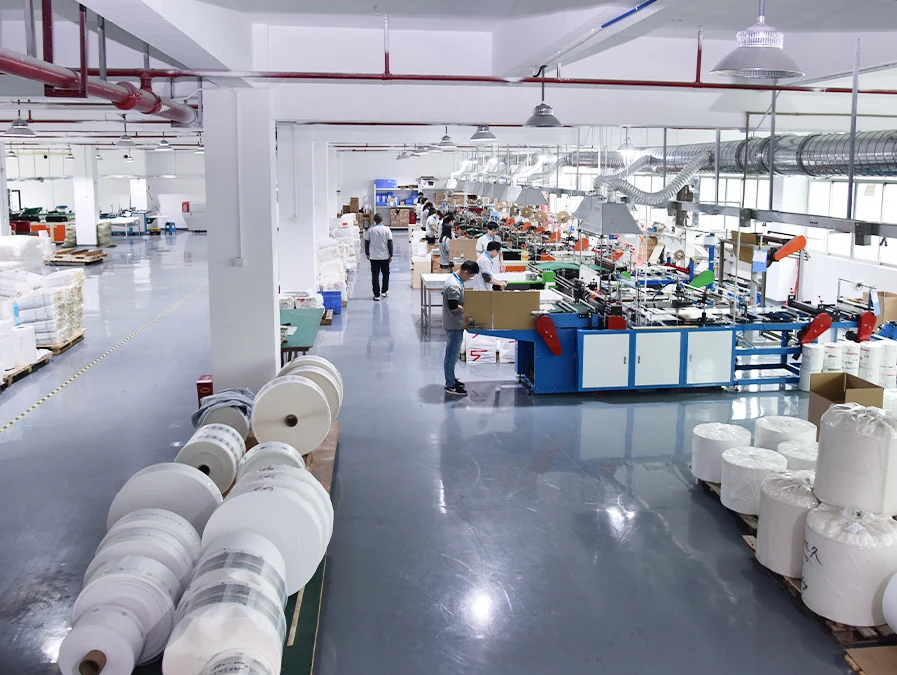
JXD Eco-packaging has production bases in Shenzhen and Dongguan. Our equipment covers film blowing, cast film, printing, slitting and bag making, allowing the main manufacturing stages to be coordinated within the factory operation.
This matters when a project moves from an approved sample to a commercial order. Material, dimensions, sealing and print position can be discussed with the project and production teams under one specification. It also gives customers a direct route for technical questions and order updates.
Our packaging range includes compostable bags, recyclable PE bags, recycled content PE bags, CPE frosted bags, fibre nonwoven bags, paper bags and glassine bags. This allows us to discuss more than one environmental route when a compostable material is not the best match for the customer’s use or local waste system.
From Enquiry to Shipment
The process begins with the product, bag style, dimensions, material preference, artwork, estimated quantity and destination market. Our team reviews the information and recommends a starting specification.
After the material and structure are agreed, a sample is prepared for checking. The customer can review fit, feel, transparency, sealing, print position and barcode readability with the actual product. Any changes are recorded before the production specification is approved.
During manufacturing, the order is checked against the confirmed details. Finished bags are reviewed before packing, and the export team prepares the order and shipping documents required for delivery.
Questions to Ask Before Requesting a Quote
Before contacting biodegradable bags suppliers, prepare the following information.
The product type, dimensions and packed weight
The bag style and closure required
The intended sales countries
The required compostability standard or customer specification
The desired bag dimensions and thickness
The number of printing colours and final artwork
The estimated order quantity
The required delivery location and schedule
If the specification is still being developed, send JXD Eco-packaging an existing bag or product sample. Our team can use it to discuss material, size, structure and testing before a quotation is finalised.
Speak with JXD Eco-packaging
Choosing among biodegradable bags suppliers requires more than comparing a unit price. The material claim, product performance, documentation and production specification all affect whether the packaging will work after delivery.
Send us your product details, target market and packaging requirements. JXD Eco-packaging will review the application and prepare a suitable route for material selection, customisation and sampling.
BUYER QUESTIONS