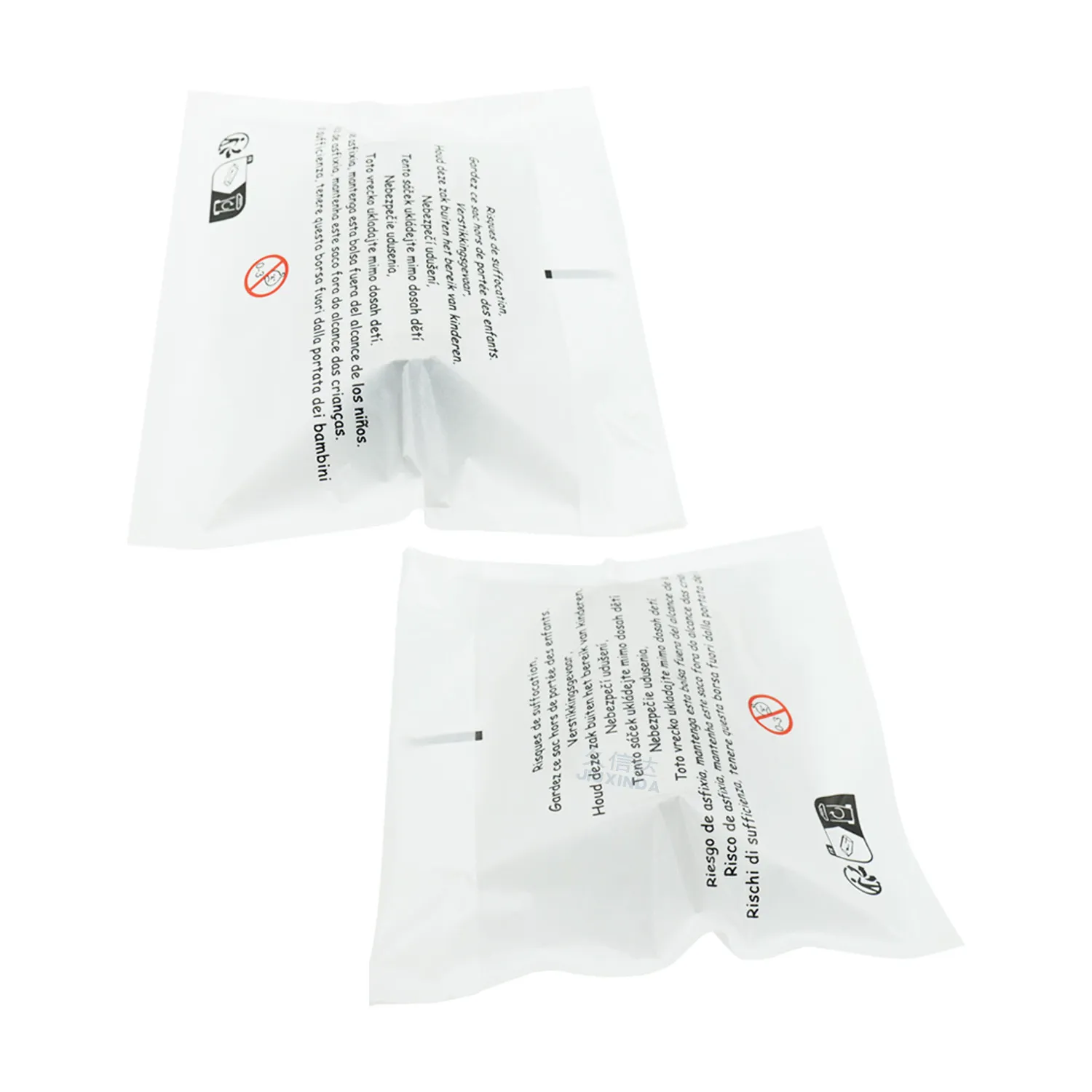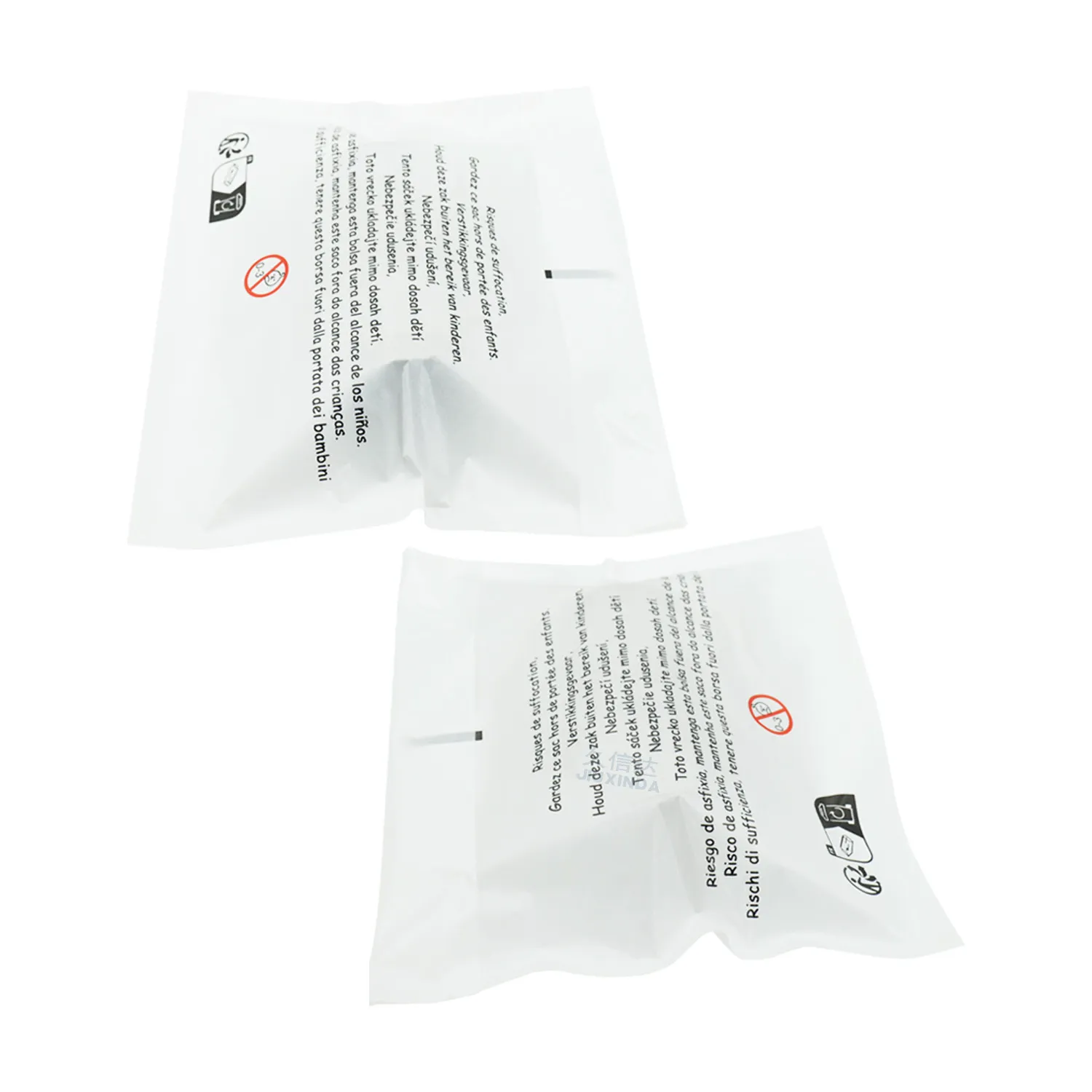
Custom fiber bags material selection and compliance support for EU packaging buyers
JXD Eco-packaging is a biodegradable fiber bag factory that supports packaging projects subject to the EU Packaging and Packaging Waste Regulation. We manufacture custom fiber and nonwoven packaging for brands, importers and cross-border sellers. Buyers often use biodegradable, compostable and nonwoven as if they mean the same thing. They do not. The material, finished-packaging construction, certification scope and local waste-treatment route all affect which environmental claims are appropriate.
Fiber Bags and Nonwoven Bags Are Different Materials
A wood-fiber bag may be suitable for industrial composting when the complete product meets the relevant standard. That assessment must cover the finished bag, including inks, adhesives, coatings and other additives. Wood fiber by itself does not prove that the finished package is compostable.
Nonwoven bags are made from different polymers and therefore require different end-of-life claims. PLA is bio-based, but most PLA nonwoven packaging requires controlled industrial-composting conditions. PP and PET nonwoven bags are not biodegradable and normally belong in material-recycling streams where suitable collection and recycling systems exist.
Material | Typical basis | End-of-life position | Claim and selection notes |
Wood fiber | Cellulose-based fiber | May be industrially compostable if the finished package passes the applicable assessment | Confirm the standard, certificate scope and local collection route. |
PLA nonwoven | Polylactic acid | Usually requires industrial-composting conditions | Do not describe it as home compostable or fully degradable without product-specific evidence. |
PP nonwoven | Polypropylene | Not biodegradable; recycling depends on local infrastructure | Often selected for strength, reuse and cost. |
PET nonwoven | Polyester | Not biodegradable; suited to material recycling where accepted | Common in filtration, technical textiles and durable liners. |
How the EU PPWR Treats Compostable Packaging
Regulation (EU) 2025/40, known as the Packaging and Packaging Waste Regulation or PPWR, does not make composting the default route for all packaging. Article 9 applies compostability requirements to specific packaging formats and allows Member States to require compostability for certain additional formats when suitable collection and treatment infrastructure is available. For other packaging, including packaging made from biodegradable materials, the regulation generally moves toward design for material recycling by 12 February 2028.
Environmental claims must be precise. Article 14 requires claims about regulated packaging properties to state whether they apply to the whole packaging unit or only part of it, and the claim must be supported by the technical documentation described in Annex VII. A raw-material certificate alone may not establish compliance for the finished bag.
Confirm whether the destination market has an industrial-composting route that accepts the packaging format.
Verify that the finished bag, including printing and adhesives, falls within the relevant test or certificate scope.
Use disposal instructions and environmental claims that match the destination market and the final product configuration.
Choosing the Right Bag for the Application
Compostable fiber bags can suit projects with a defined bio-waste collection route, such as selected fresh-produce, organic-product, cosmetic-sample, horticultural or nursery applications. Food-contact use requires separate product-specific compliance and supporting test documentation.
PP nonwoven bags are often chosen for reusable shopping bags, promotional totes and dust covers because they offer good tensile strength at a relatively low cost. PLA nonwoven may suit projects that have reliable access to industrial composting, while PET nonwoven is generally used for durable, water-resistant or technical applications rather than compostable packaging.
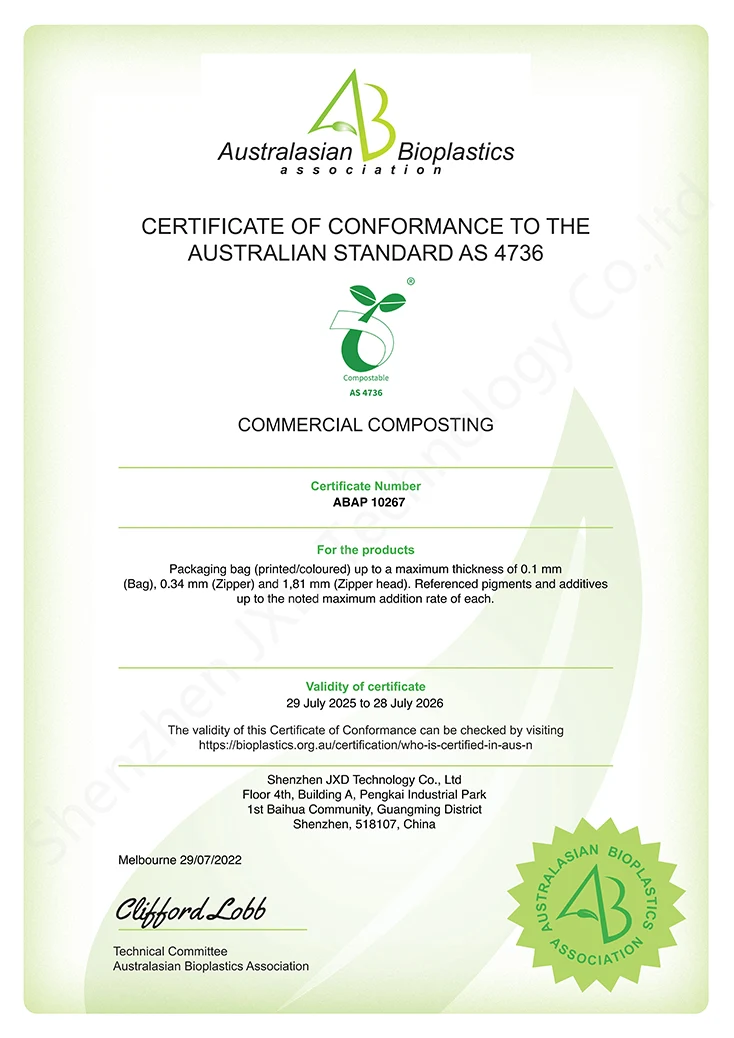
For EU or Australian projects, the selection should be checked against the applicable local rules, waste infrastructure and product-specific certification. EN 13432 and AS 4736 may be relevant to industrial-composting claims, but the applicable standard and certificate scope must be confirmed for each order and market.

PPWR Biodegradable Fiber Bag Factory Support
As a PPWR biodegradable fiber bag factory serving export buyers, JXD Eco-packaging has worked in sustainable packaging for 16 years and operates production sites in Shenzhen and Dongguan. The company has 30 automated production lines and 11 related intellectual-property registrations. Its manufacturing scope includes custom fiber bags, compostable bag formats and PP or PLA nonwoven bags.
Available audit, sourcing and certification documents may include GRS, FSC, EN 13432, TÜV OK compost, BPI, AS 4736 and BSCI, depending on the material, product, manufacturing site, order and current certificate scope. Buyers should confirm document validity and product coverage during quotation.
For regulated markets, JXD Eco-packaging can prepare product-side records such as material specifications, available test reports and a declaration of conformity where applicable. The exact documentation package is agreed for each product and destination market.
Custom Orders Samples and Lead Times
Material selection starts with the destination market and the intended disposal route. For products exposed to moisture, the required wet strength and contact time should be confirmed before sampling. Dry, short-use applications may use a simpler fiber construction.
Indicative minimum order quantity for custom compostable fiber bags is 5,000 pieces.
Sample development typically takes three to five working days.
An unprinted standard construction typically requires about seven days after order confirmation.
Custom printing and die-cutting typically require 10 to 15 days.
These quantities and lead times are planning estimates. Final timing depends on dimensions, material, printing, testing requirements and production capacity at the time of order. Split deliveries and batch production can be discussed for phased launches.
Service for Export Customers
The Shenzhen and Dongguan production sites support customers across Guangdong, including Guangzhou, Foshan, Huizhou, Zhongshan, Zhuhai and Shantou. Standard substrates may be held for faster sampling and production, subject to current inventory. Local customers can arrange factory visits and on-site sample reviews.
For export orders, JXD Eco-packaging can coordinate product documentation with the buyer's customs broker or freight forwarder. Importers remain responsible for confirming destination-market requirements and completing any registrations or filings assigned to them by law.
PPWR Documentation and EPR Responsibilities
PPWR compliance depends on the finished packaging, its intended use and the market in which it is placed on the market. JXD Eco-packaging can support the product file with agreed material information, available test reports and conformity documents.
Extended producer responsibility registration is normally the responsibility of the economic operator identified under the applicable Member State rules. JXD Eco-packaging can provide product-side technical information, but it does not replace the importer, brand owner or authorised representative in completing Member State registrations.
Request a Material and Compliance Review
Send us the bag dimensions, product weight, target market, printing file, expected order quantity and preferred disposal claim. JXD Eco-packaging will review the material options and confirm the documentation available for the proposed specification. This review helps buyers compare a PPWR biodegradable fiber bag factory proposal with the actual end-of-life and documentation requirements of the destination market.
BUYER QUESTIONS