As global carbon reduction policies and consumer eco-consciousness continue to rise, sustainable packaging is no longer an optional upgrade but a must-have for B2B brands, exporters, and wholesale businesses. Traditional plastic packaging brings long-term environmental burdens, policy restrictions, and brand reputation risks. Among all green packaging solutions, degradable packaging bags stand out as the most balanced option for product protection, cost efficiency, and environmental friendliness. For B2B buyers who need customized packaging for mass production and long-term cooperation, understanding eco-design logic, core customization rules, key certifications, material differences, and supplier audit standards is critical. This B2B guide consolidates all essential sourcing knowledge to help businesses select and customize the best degradable packaging bags.
What Makes Product Packaging Environmentally Friendly & Why Degradable Bags Stand Out
To build sustainable packaging solutions, brands must first clarify what features make packaging eco-friendly. Environmentally responsible packaging minimizes plastic waste, reduces long-term soil and water pollution, and avoids microplastic residues after disposal. Key green attributes include the adoption of plant-based raw materials, zero harmful chemical additives, complete natural decomposition capability, and low carbon emissions during production. In addition, eco-friendly packaging should support circular business models, including recyclability, compostability, and non-toxic degradation results.
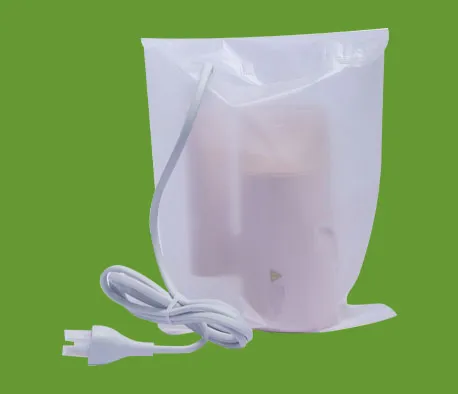
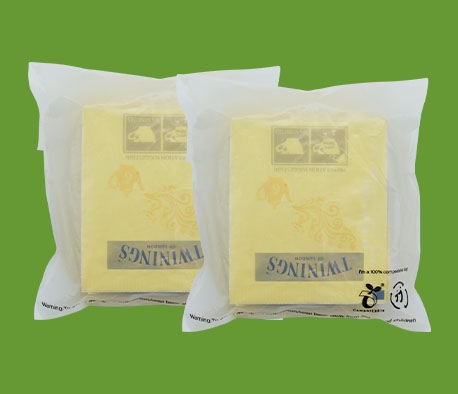
Among all green packaging alternatives, degradable packaging bags are the most practical and business-friendly choice for B2B procurement. Unlike recyclable plastic bags that rely on manual recycling systems or paper bags that lack waterproof and tensile performance, high-quality degradable bags combine traditional plastic’s durability with eco-friendly properties. They can fully decompose under industrial or home compost conditions without leaving microplastics. Meanwhile, they maintain excellent protection for daily goods, apparel, cosmetics, and electronic products during logistics and storage. For B2B brands pursuing policy compliance, brand green upgrading, and stable packaging performance, customized degradable packaging bags represent the optimal long-term packaging solution.
Core B2B Customization Considerations for Degradable Packaging Bags
Customizing degradable packaging bags for commercial use differs greatly from ordinary plastic customization. B2B buyers must evaluate market adaptability, supplier capability, and standardized compliance before confirming formal orders. Blind customization often leads to unqualified degradation effects, non-compliant printed content, batch inconsistency, and unsalable packaging that cannot match target market regulations.
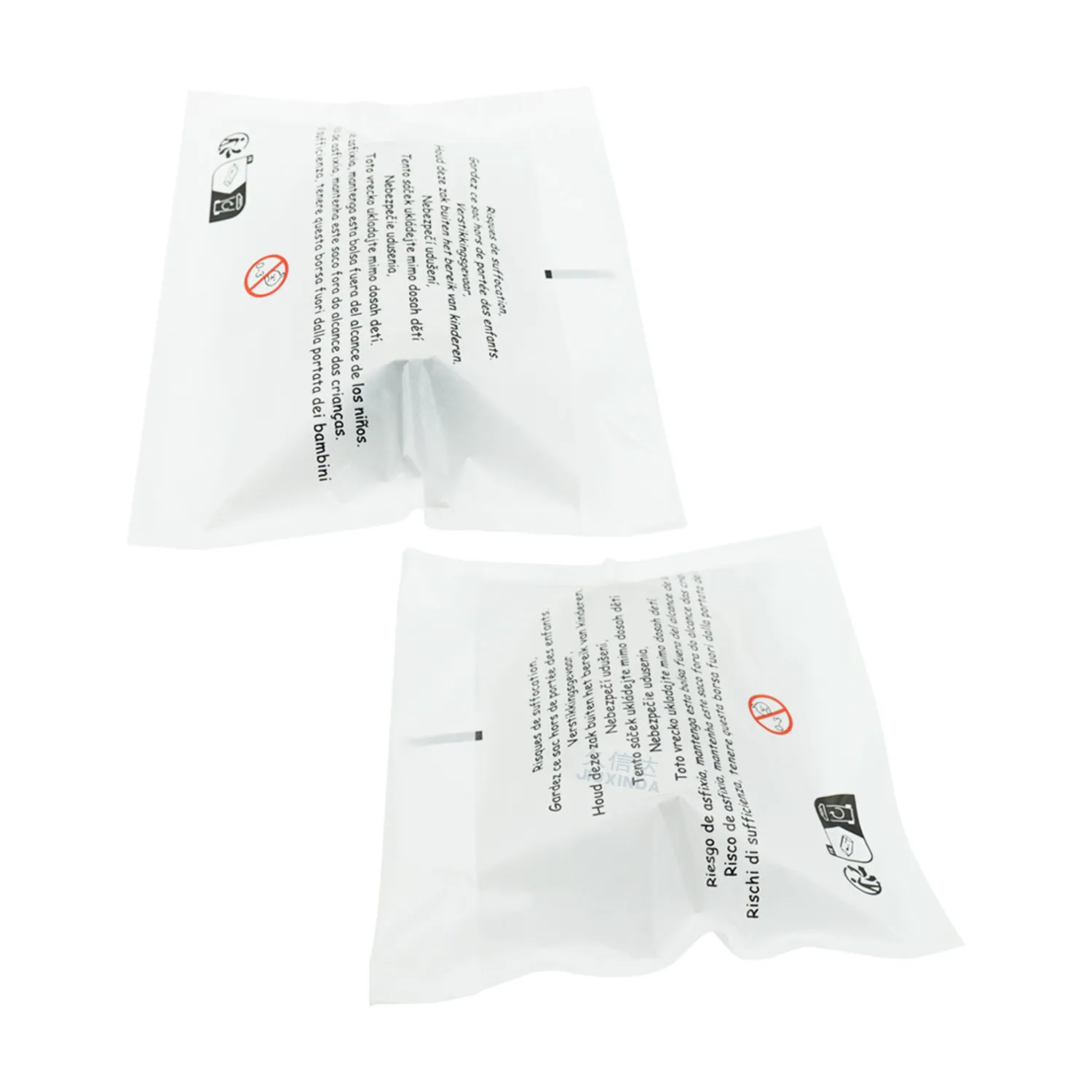
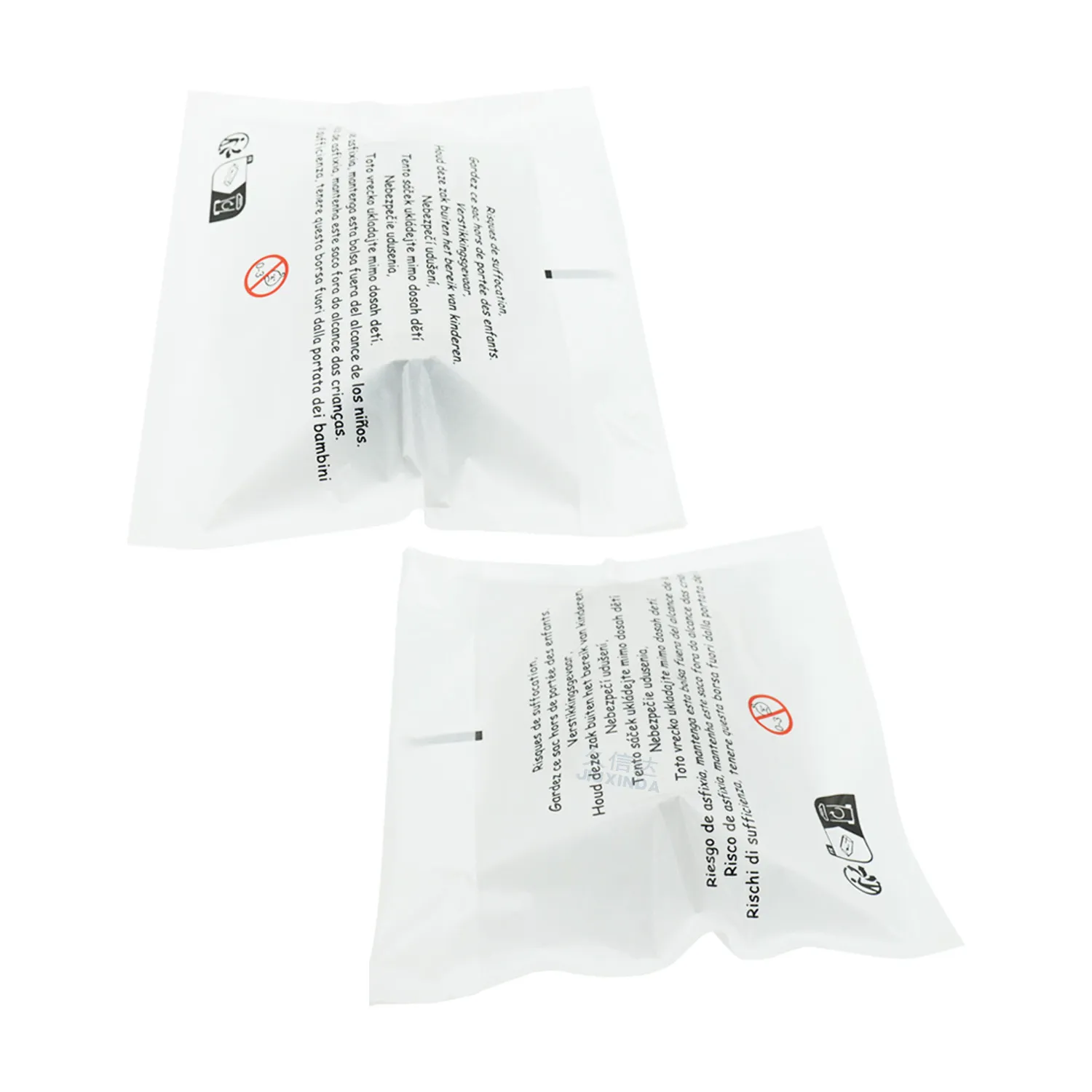
First, buyers must verify industry and market matching. Different countries and regions have distinct plastic restriction and composting standards. Export-focused brands need to customize packaging that meets local market access rules to avoid customs detention and product removal. Second, check supplier professional customization capabilities. Reliable manufacturers must adjust material formulas, bag thickness, and structural design according to product weight, usage scenarios, and storage environments, instead of providing fixed universal styles. Third, control printing and labeling standards. All brand logos, product descriptions, eco-labels, and warning texts must be printed with degradable ink to avoid affecting overall decomposition performance. Fourth, confirm OEM and scalable production capacity to support small-batch trial orders and large-scale bulk repeat orders, meeting brands’ phased market expansion needs.
Key Certifications & Material Comparison for B2B Sourcing
Certifications are the most direct criterion to verify whether degradable packaging bags are truly eco-friendly and market-compliant. For B2B cross-border and wholesale procurement, three certifications are indispensable. EN13432 is the EU’s authoritative compostable packaging standard, mandatory for European market access. ASTM D6400 is the U.S. standard for biodegradable and compostable plastic products, widely recognized in North American markets. OK Compost certification further classifies industrial and home compost grades, helping brands match different consumer disposal scenarios. Buyers must verify original valid certificates and batch test reports instead of superficial qualification displays to avoid pseudo-degradable products.
In terms of material selection, B2B buyers need to choose formulas based on actual usage. Pure PLA materials feature high transparency and eco-friendliness but require industrial composting environments. PBAT materials offer excellent toughness, stretch resistance, and home compostable performance, suitable for daily shipping packaging. PLA and PBAT blended materials balance durability, low cost, and full degradation, becoming the most mainstream option for commercial customized packaging. Compared with single recycled plastic and ordinary degradable materials, composite biodegradable materials deliver more stable physical performance and credible environmental effects, making them the best choice for long-term B2B bulk procurement.
Pre-Procurement Checklist & Common B2B Customization FAQs
Before placing bulk customized orders, B2B buyers need to complete a full supplier and product inspection checklist. First, confirm valid degradation certifications and third-party test reports. Second, verify genuine biodegradable material usage to eliminate mixed non-degradable impurities. Third, confirm whether the factory supports flexible customization scales, covering trial orders, medium batches, and large-scale wholesale production. Fourth, audit factory strength, including production equipment, quality control systems, raw material reserves, and delivery stability. Fifth, confirm printable content accuracy, eco-friendly ink application, and standardized label layout. Sixth, evaluate independent OEM design and personalized modification capabilities to support exclusive brand packaging upgrading.
Frequently Asked Questions for B2B Custom Degradable Packaging Bags
Q1: Are all biodegradable bags suitable for global export?
A1: No. Buyers must match certifications with target markets. European markets require EN13432, while American markets demand ASTM D6400 and BPI certification. Non-matching qualifications will cause market access failure.
Q2: Can customized printed patterns affect degradation performance?
A2: Yes. Excessive ink layers and non-degradable printing materials will block material decomposition. Professional manufacturers adopt low-carbon degradable ink and minimalist printing to retain both brand display and degradation performance.
Q3: What order scale is suitable for customized degradable bags?
A3: Reliable B2B manufacturers support flexible MOQ, covering small-batch trial customization for new brands and mass bulk orders for mature enterprises, adapting to different business development stages.
Q4: How to distinguish genuine degradable bags from pseudo-degradable ones?
A4: Check complete certification documents, batch degradation test reports, and raw material ingredient lists. Qualified products can achieve 100% compost degradation without microplastic residues.
Q5: Is customized degradable packaging cost-effective for long-term B2B cooperation?
A5: Absolutely. Although the unit cost is slightly higher than ordinary plastic bags, it eliminates policy penalty risks, enhances brand green image, and supports sustainable long-term market operation, bringing higher comprehensive commercial value.
Q6: Can manufacturers adjust material formulas for different products? A6: Professional OEM factories provide customized formula adjustment. They thicken materials for heavy products, improve barrier performance for food packaging, and optimize softness for light retail goods to meet diverse packaging needs.
Conclusion
For modern B2B brands, customized degradable packaging bags are the most valuable eco-friendly packaging solution. By understanding environmental packaging standards, mastering core customization rules, screening authoritative certifications, selecting suitable degradable materials, and auditing supplier strength comprehensively, buyers can avoid common sourcing pitfalls. Standardized customized degradable packaging not only meets global environmental policies and market compliance requirements but also improves product protection and brand competitiveness, becoming an essential sustainable asset for long-term business development.
BUYER QUESTIONS