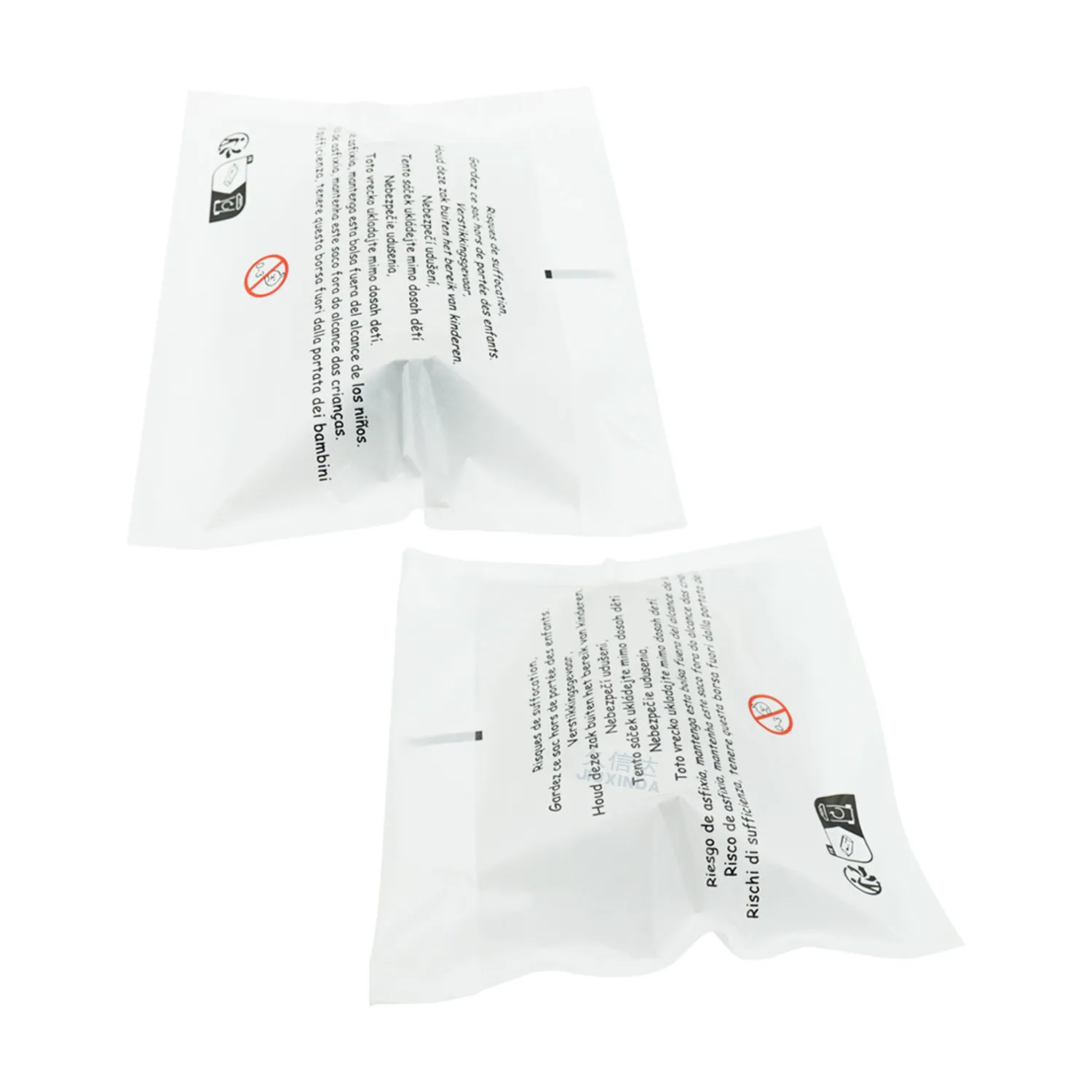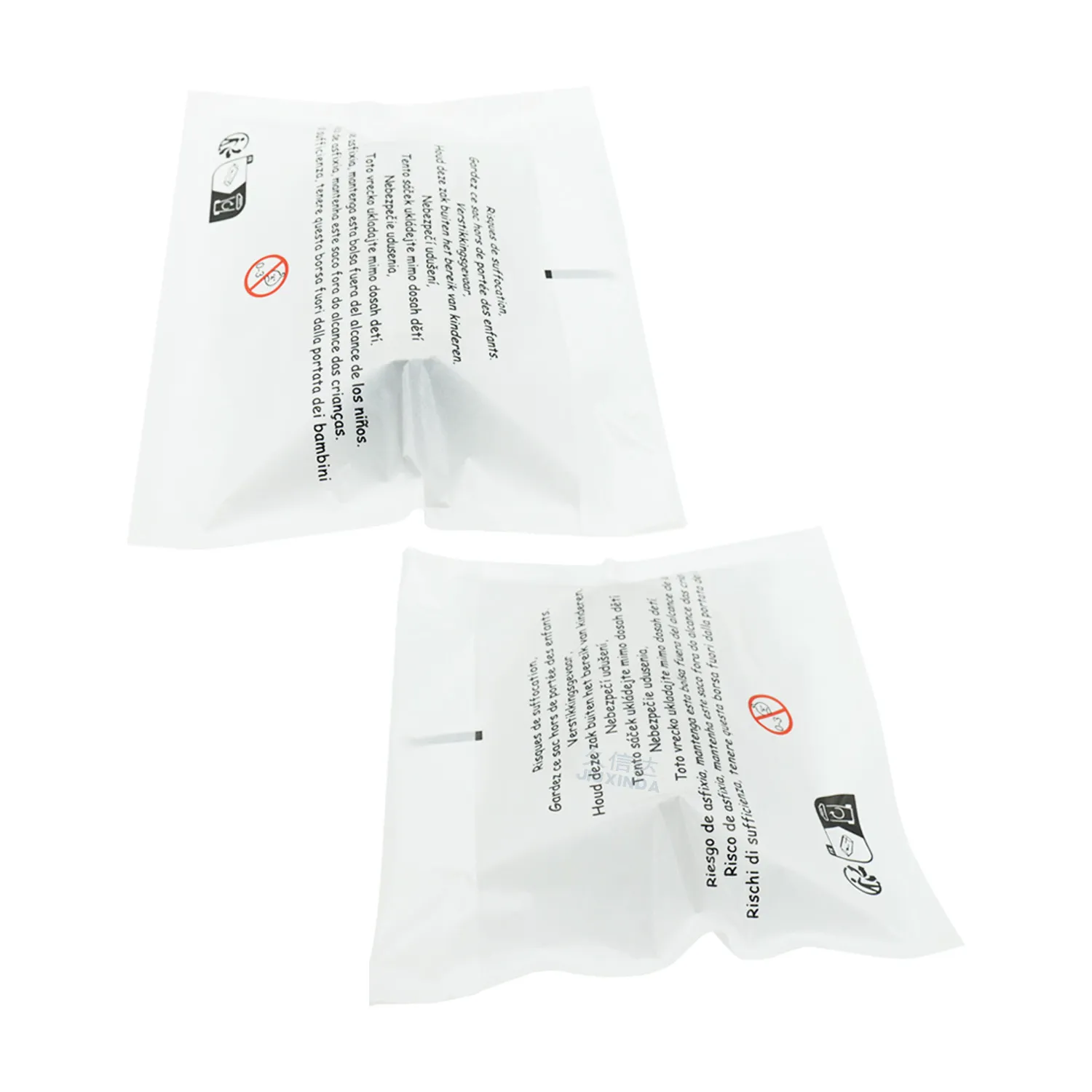
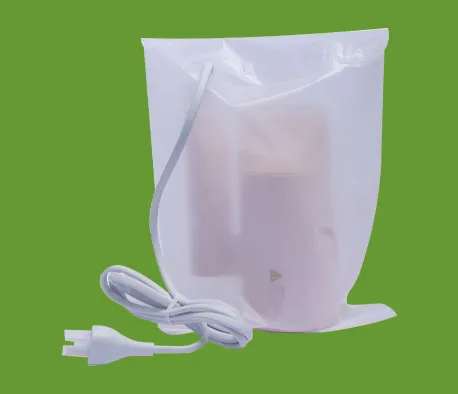
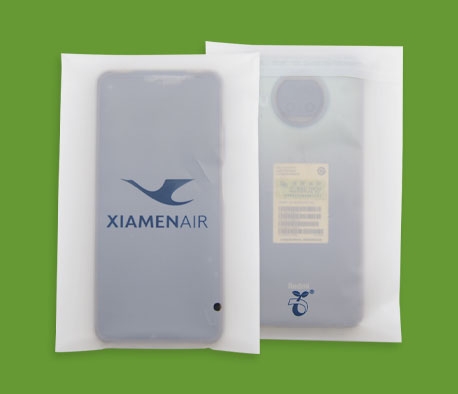
Different from conventional plastic packaging bags, custom biodegradable bags are manufactured with specialized PLA and PBAT blended materials, which rely on standardized bulk production workflows. Due to unique raw material characteristics and technical production thresholds, almost all professional biodegradable bag manufacturers set clear Minimum Order Quantity (MOQ) requirements for personalized custom orders. For B2B procurement buyers, fully understanding the practical production performance, standard MOQ ranges, MOQ root causes, quantity-based pricing rules, and common customization doubts can effectively control costs, avoid communication barriers, and achieve stable long-term packaging sourcing. This article serves as a complete practical MOQ guide for biodegradable bag customization.
Practical Production and Application Performance of Custom Biodegradable Bags
Biodegradable bags adopt eco-friendly PLA and PBAT composite formulas, balancing excellent toughness, waterproof performance, tensile strength and full compostability. In actual commercial scenarios, they fully replace traditional plastic bags for product packaging, e-commerce logistics shipping, retail display, daily product packaging and waste collection applications.
From factory production perspectives, biodegradable materials require dedicated film blowing, extrusion, heat sealing and eco-printing production lines. The entire manufacturing process demands continuous and stable machine operation to ensure uniform material melting, consistent film thickness and complete degradation performance. Frequent small-batch startup and shutdown will cause material waste, unstable product quality and inconsistent finished bag performance. Therefore, mass production and fixed MOQ standards are necessary to guarantee qualified and uniform custom biodegradable packaging for brand buyers.
Standard MOQ Ranges for Different Types of Custom Biodegradable Bags
MOQ standards vary significantly based on bag styles, sizes, functional designs and printing complexity. Mainstream formal biodegradable bag manufacturers follow unified industry MOQ ranges for different custom packaging types.
For regular flat biodegradable bags with simple designs and no complex printing, the standard MOQ is usually between 5000 and 10,000 pieces. This type of basic bag is widely used for daily retail packaging and general commodity packaging with simple processing requirements. For custom printed biodegradable bags with exclusive brand logos, personalized patterns and customized text content, the MOQ is higher, generally ranging from 10,000 to 20,000 pieces, as customized plate making and precise color printing require stable batch production.
Thickened heavy-duty biodegradable bags designed for heavy-weight products and high-toughness packaging scenarios have a standard MOQ of 15,000 to 25,000 pieces, due to adjusted material ratios and enhanced structural processing. Large-size compostable garbage bags for household and commercial waste collection require larger batch production, with MOQ typically set from 25,000 to 40,000 pieces to match roll-type continuous production and standardized packaging processes. For small-sized boutique biodegradable bags used for cosmetics, accessories and gift packaging, the MOQ is relatively lower, maintained at 8,000 to 15,000 pieces, adapting to small-specification and refined packaging demands. Long-term cooperative customers can enjoy appropriately flexible MOQ adjustments based on mutual cooperation agreements.
Core Reasons for Biodegradable Bag MOQ Requirements & How Order Volume Impacts Pricing
Many buyers wonder why biodegradable bags have stricter MOQ limits than ordinary plastic bags. The fixed minimum order quantity is not a random factory rule but determined by four unavoidable production and cost factors.
First, raw material batch restrictions. PLA and PBAT biodegradable particles are supplied in fixed tonnage batches. Factories purchase raw materials in bulk to ensure stable material purity and consistent blending ratios. Small orders cannot consume standard raw material batches, resulting in surplus material inventory and serious resource waste.
Second, film extrusion and blowing process requirements. Professional film blowing equipment needs long-term stable operation to form uniform and flat biodegradable film. Frequent small-batch production increases machine debugging times, raises defective product rates and affects overall production efficiency.
Third, customized printing plate making costs. Personalized logo and pattern printing requires exclusive customized printing cylinders. The fixed plate-making cost is one-time and cannot be reduced with small orders. Only bulk orders can effectively average out fixed plate fees. Fourth, finished product packaging and logistics norms. Standardized large-batch finished product packaging and container loading optimize warehouse management and transportation efficiency, while scattered small orders greatly increase manual sorting, packaging and logistics costs.
Order quantity directly determines the final customized unit price. When the order quantity just meets the basic MOQ standard, the unit price remains at the regular level due to the fixed costs of material startup, machine debugging and plate making. As the order volume increases to medium and large batches, fixed costs are fully diluted, and the unit procurement cost decreases significantly, bringing obvious wholesale price advantages. In contrast, orders below the standard MOQ will generate additional small-batch processing fees, resulting in much higher comprehensive costs. For long-term brand procurement, combining demand to place bulk orders is the most cost-effective solution.
Frequently Asked Questions About Biodegradable Bags Custom MOQ
Q1: Can manufacturers accept orders below the standard MOQ?
A1: Most formal manufacturers do not support ultra-small orders far below the regular MOQ. For orders with a slight quantity gap, individual suppliers can accept production with extra small-batch service fees. However, frequent tiny orders will greatly increase overall procurement costs and are not recommended.
Q2: Will long-term cooperative buyers get flexible MOQ policies?
A2: Yes. Stable repeat customers with long-term cooperation records can enjoy personalized flexible MOQ adjustments. Factories will appropriately lower the minimum order threshold for loyal partners to match their regular purchasing demands.
Q3: Does multi-color custom printing require a higher MOQ?
A3: Definitely yes. Multi-color printing requires multiple sets of printing plates and more complex production debugging procedures. Compared with single-color printing or blank bags, multi-color customized biodegradable bags have higher MOQ standards to balance production costs.
Q4: Can I combine different sizes and styles to meet the total MOQ?
A4: Most professional manufacturers do not support mixed specifications to reach MOQ. Different sizes and bag structures require independent machine debugging, material allocation and production arrangements. Buyers can confirm mixed-order flexible rules with suppliers in advance before placing orders.
Q5: Does a larger order quantity mean infinitely lower unit prices?
A5: The unit price decreases steadily with the increase of order quantity within a certain range. After the order reaches a large-scale bulk standard, material and production costs tend to be saturated, and the unit price will remain stable without further significant reduction.
Conclusion
The MOQ setting for custom biodegradable bags is determined by the unique properties of PLA and PBAT raw materials and professional production processes, rather than arbitrary threshold restrictions. For B2B buyers, fully understanding differentiated MOQ standards for different bag types, mastering the correlation between order quantity and cost, and clarifying common MOQ-related rules can help arrange procurement plans reasonably, control packaging costs efficiently, and avoid customization risks. Reasonable matching of order volume and factory MOQ rules is the key to stable, cost-effective and high-quality long-term customized biodegradable packaging cooperation.
BUYER QUESTIONS