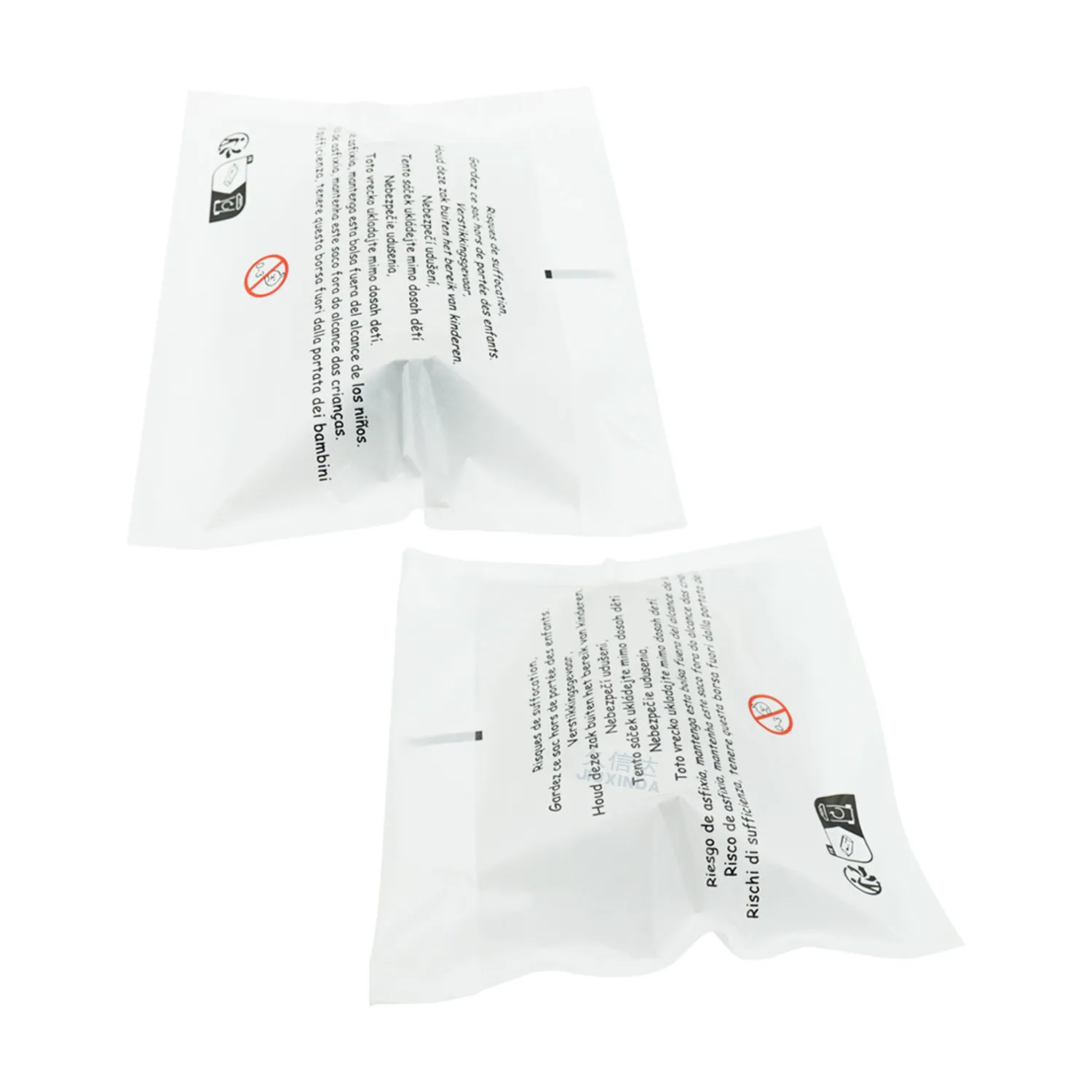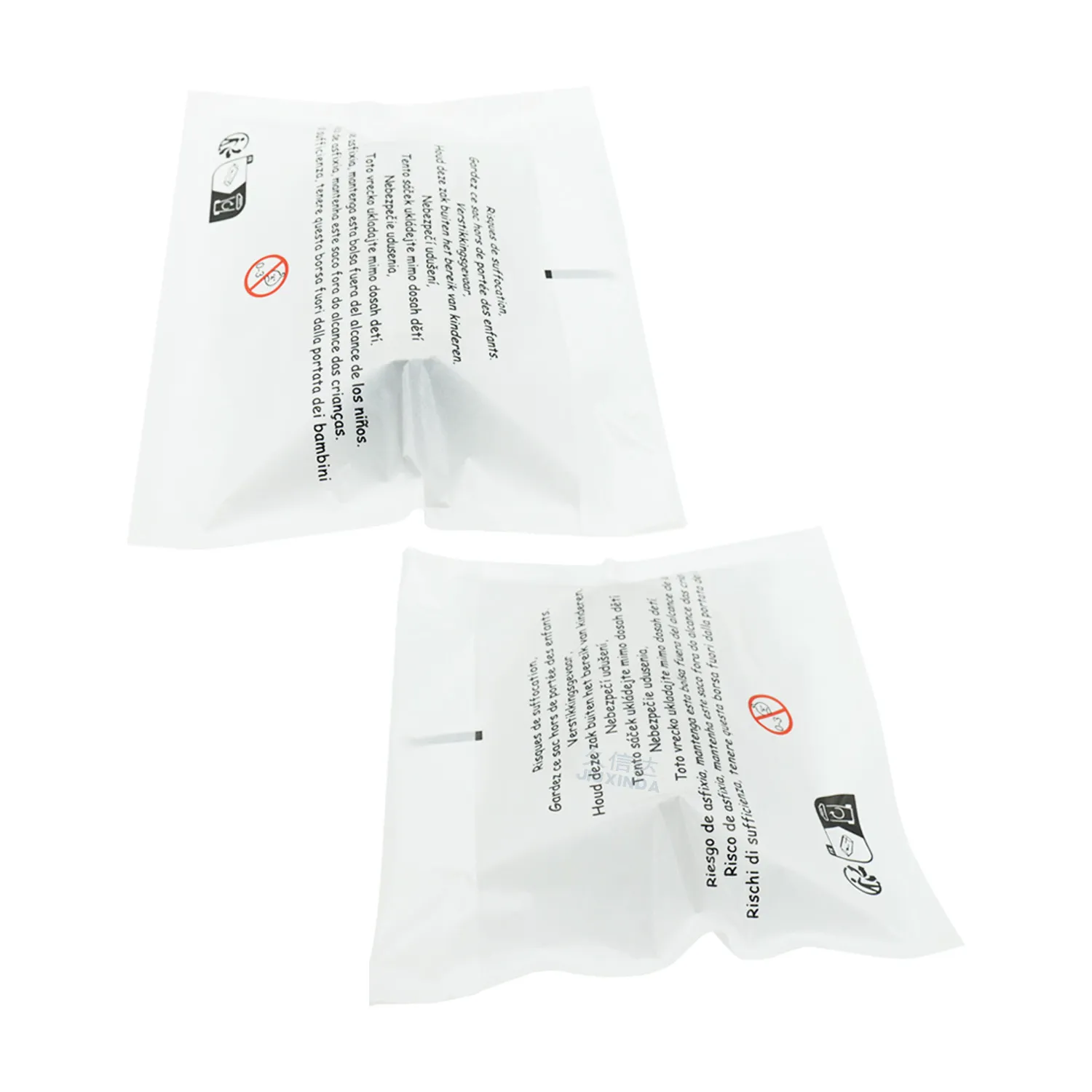
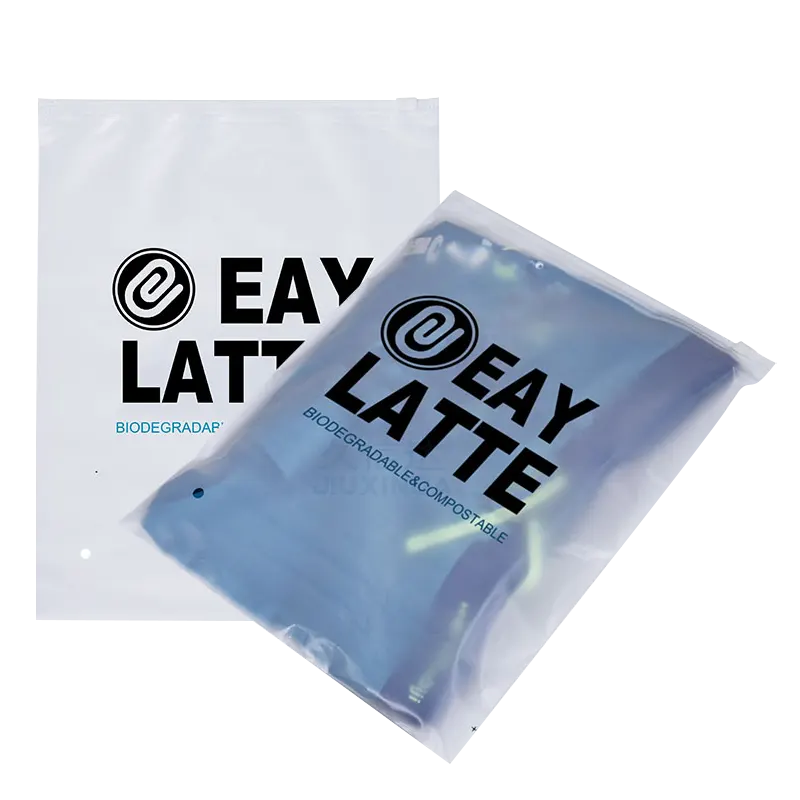
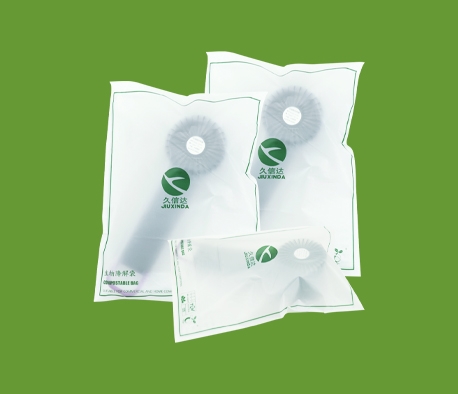
Today’s consumers and regulators hold brands to higher environmental standards than ever before. For eco-conscious businesses, custom product packaging bags are no longer just a tool for product protection and shipping—they serve as a public statement of corporate sustainability values. While sustainable custom packaging brings strong brand advantages, many procurement teams struggle with unclear customization requirements, improper material selection, unplanned production delays, and inconsistent finished quality. To help buyers streamline their sourcing workflow and adopt reliable green packaging solutions, this article breaks down practical, procurement-focused guidelines for sustainable custom packaging bag customization.
Essential Information to Prepare for Smooth Sustainable Customization
Successful custom packaging projects start with complete and standardized buyer information, especially for sustainable packaging that requires stricter material and process matching. Many communication delays and sample errors occur simply because buyers submit incomplete requirements at the initial stage. To speed up proofing and mass production, procurement teams should organize clear packaging specifications before contacting suppliers.
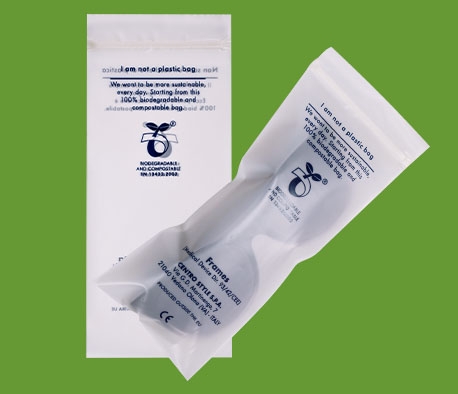
First, define core product parameters, including exact product dimensions, item weight, packaging purpose, and storage or transit conditions. This data determines the required bag thickness, structure, and barrier performance. Second, prepare finalized brand assets, including vector logos, official color codes, fixed typography, product descriptions, certification marks, and warning text. Third, clarify sustainable positioning needs, such as whether the bags need to be fully biodegradable, compostable, recycled-material, or zero-plastic. Lastly, confirm order volume and delivery batches to help suppliers allocate raw materials and production slots accurately. Well-prepared information eliminates repeated revisions and ensures the final packaging matches brand positioning perfectly.
Key Customization Considerations for Eco-Friendly Packaging Compliance
Sustainable custom packaging has unique customization boundaries that differ greatly from conventional plastic packaging. Buyers focusing only on appearance often overlook material adaptability and industry compliance, resulting in non-compliant packaging that cannot be sold or shipped legally. To avoid greenwashing risks and quality failures, brands must follow eco-friendly customization rules throughout the design process.
First, match sustainable materials with actual usage scenarios. Food-grade products require certified food-contact biodegradable or recycled materials, while daily retail goods can adopt lightweight eco-friendly structures to reduce costs. Second, control printing processes to remain environmentally friendly. Choose low-carbon, non-toxic inks and minimize excessive layered printing that increases carbon emissions. Third, avoid misleading green claims in design. All printed slogans such as “compostable” or “zero plastic” must be supported by official test reports and certifications. Finally, balance durability and sustainability. Eco-friendly materials have different physical properties; buyers should avoid over-designing ultra-thin or over-sized structures that weaken packaging stability and cause product damage during logistics.
Quality Control Details That Affect Long-Term Brand Consistency
For eco-conscious brands, packaging consistency is critical to building a unified green brand image. Many buyers face batch difference issues after long-term cooperation, including uneven bag thickness, color deviation, weak sealing strength, and unstable degradation effects. These problems damage brand professionalism and cause unnecessary procurement losses.
Professional sustainable customization requires strict batch quality control standards. Buyers should confirm whether suppliers implement unified raw material sourcing, fixed printing parameter settings, and standardized post-processing procedures for every order. It is necessary to require pre-production samples for color verification, tensile testing, and leak testing before large-batch production. In addition, brands with long-term ordering plans can lock fixed production parameters, including material ratios, printing templates, and bag structures, to ensure every subsequent batch maintains the same texture, color, and performance. Stable packaging quality helps brands form a unified and high-end green market image.
Reasonable Schedule Planning to Ensure On-Time Delivery of Green Orders
Sustainable custom packaging involves special eco-friendly raw materials and unique production processes, leading to longer preparation cycles than ordinary packaging. Many procurement delays happen due to insufficient schedule planning rather than supplier capacity problems. For brands with fixed launch seasons, promotional cycles, and restocking plans, delivery certainty is as important as packaging sustainability.
Buyers should confirm the full-cycle timeline with suppliers in advance, covering design confirmation, raw material preparation, sample making, mass production, and quality inspection. It is wise to reserve extra buffer time for possible adjustments in eco-material formulas or certification verification. Avoid last-minute design changes after production starts, as sustainable material batches are more sensitive to parameter adjustments and will cause production restart and delivery delays. Reliable suppliers provide real-time order tracking and flexible scheduling for repeat orders, ensuring sustainable custom packaging always supports your brand’s marketing and shipment rhythm without delays.
Final Takeaway
Custom product packaging bags have become a core asset for eco-conscious brands to achieve sustainable development. By preparing complete customization information, following eco-friendly compliance rules, stabilizing batch quality standards, and optimizing delivery schedule management, procurement teams can obtain high-quality, brand-matched sustainable packaging. Well-designed green packaging not only reduces environmental impact but also enhances consumer trust, differentiates brand positioning, and creates long-term market value for sustainable brands.
BUYER QUESTIONS