Sourcing biodegradable plastic bags has shifted from a niche environmental initiative to a mainstream business necessity. With tightening global plastic regulations and rising consumer demand for eco-friendly products, partnering with a reliable biodegradable plastic bags manufacturer is critical for businesses of all sizes. However, many buyers struggle with inconsistent custom results, undisclosed production limitations, unplanned delivery delays, and non-compliant degradable packaging. To help business buyers make data-driven, risk-free sourcing decisions, this guide breaks down four practical, procurement-focused factors for selecting a qualified manufacturer.
Clear Customization Information You Must Provide Before Production
One of the top causes of miscommunication, sample rejection, and project delays is incomplete buyer customization information. Biodegradable packaging has unique material characteristics, meaning vague requirements will directly lead to mismatched finished products. Before sending an inquiry, professional buyers should organize a complete set of specifications to help manufacturers deliver accurate one-stop solutions.
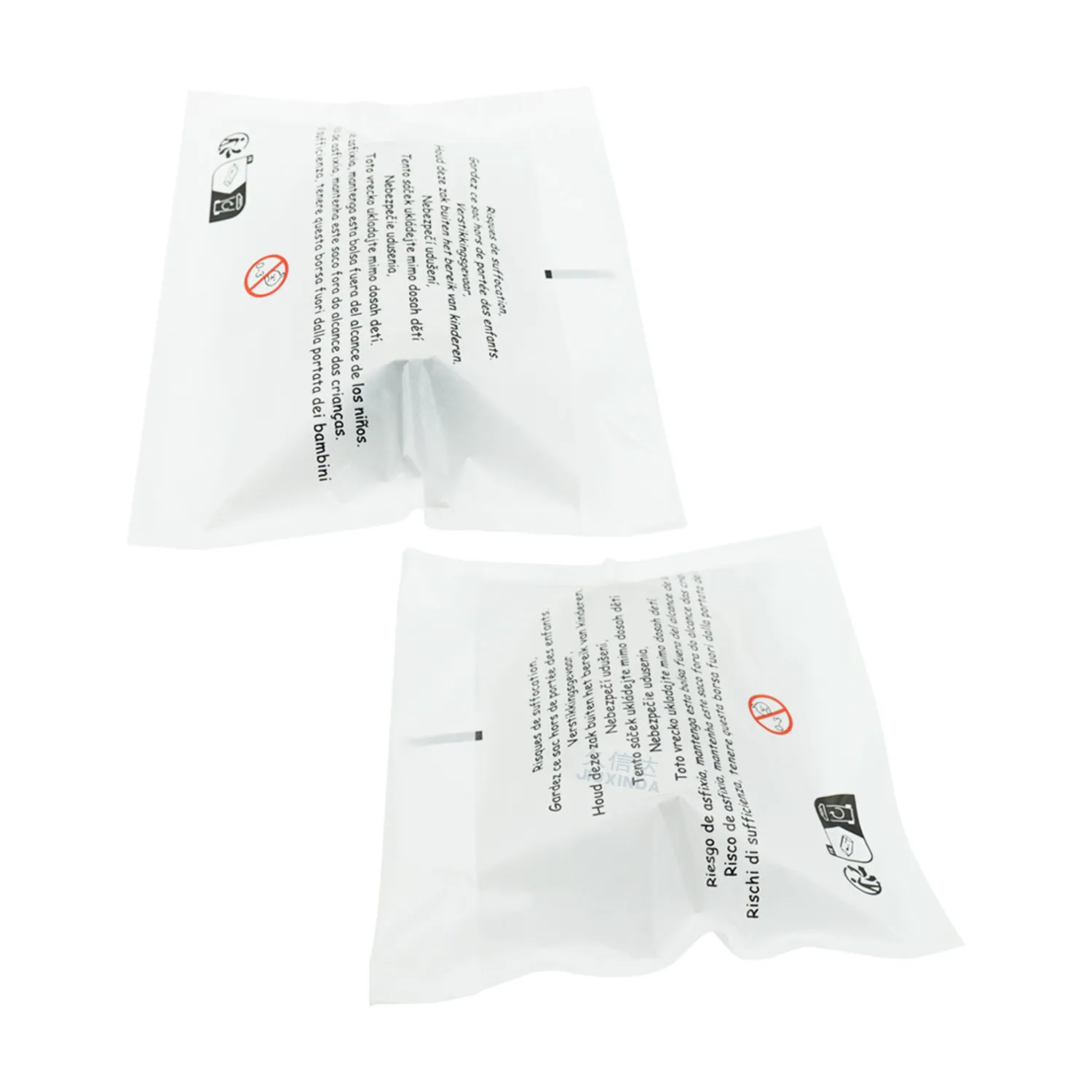
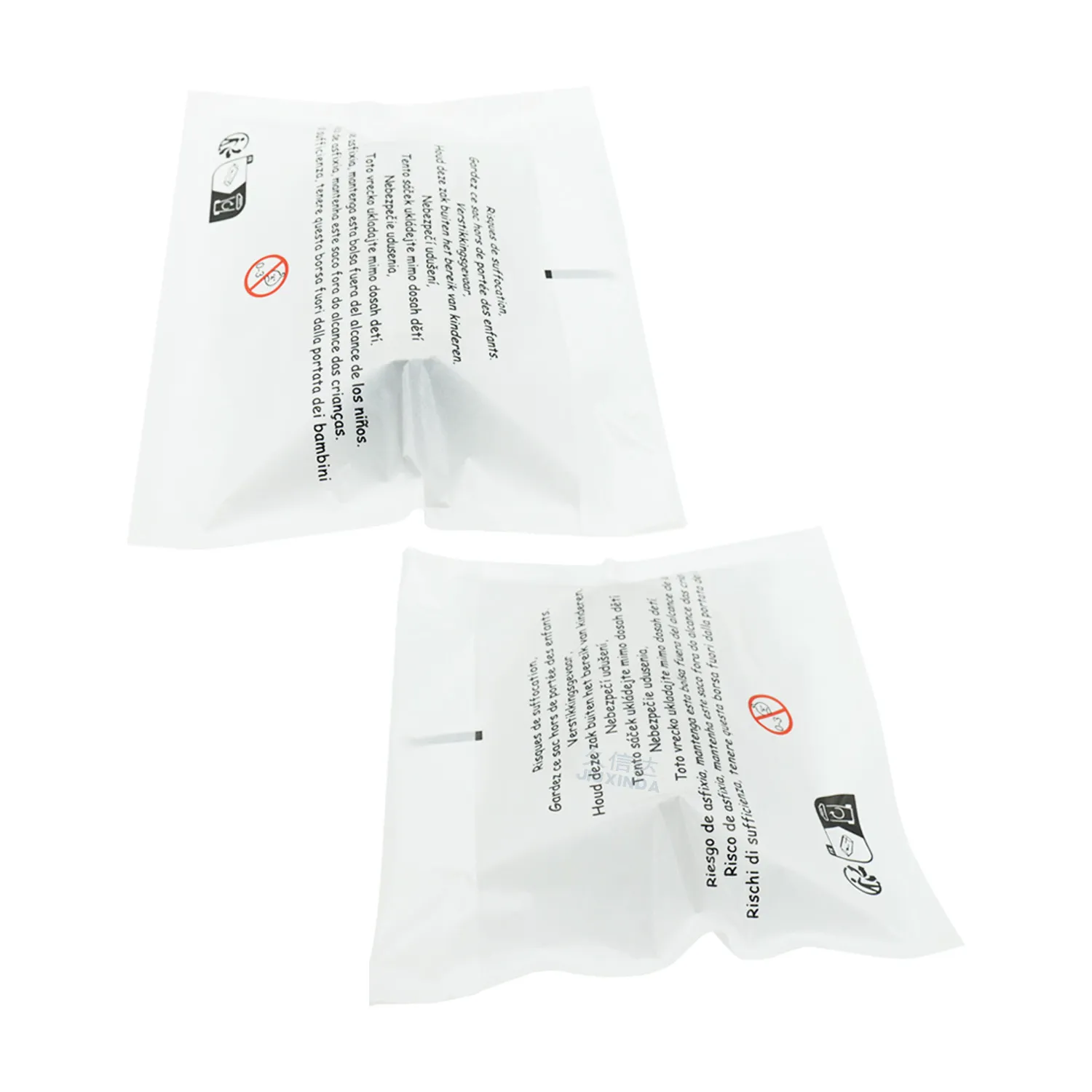
First, define your core packaging application details, including the type of goods to be packed, product weight, required bag dimensions, thickness, and functional needs such as waterproofing, airtightness, and load capacity. Second, prepare standardized brand files, including vector logos, official color codes, printed text content, product labels, and warning information to avoid color deviation and layout errors. Third, confirm your degradation standard requirements, such as home compostable or industrial compostable grades, to match the correct PLA and PBAT material formulas. Finally, clarify order quantity and batch demands to support the factory’s raw material allocation and production scheduling. Comprehensive upfront information eliminates repeated proofing and rework, greatly improving overall procurement efficiency.
Critical Customization Rules to Avoid Defective and Unqualified Products
Unlike conventional plastic bags, biodegradable plastic bags have strict technical limitations in printing, sealing, and stretching. Many buyers blindly pursue complex craftsmanship based on traditional packaging experience, resulting in fragile bags, cracked printing, poor sealing, and failed degradation tests. Understanding customizable boundaries is essential to avoid unnecessary customization risks and product defects.
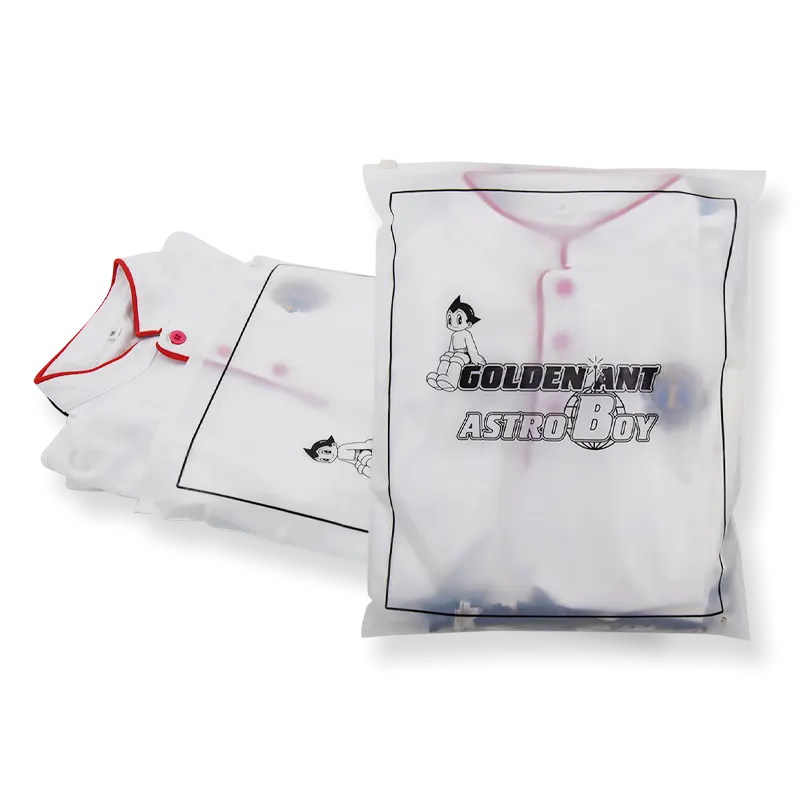
When designing custom biodegradable bags, buyers must avoid over-customization that exceeds material tolerance. For ultra-thin degradable bags, overly complicated multi-color overprinting and embossing processes are not recommended, as they may damage the film structure and affect degradation performance. For heavy-duty packaging, prioritize structural reinforcement such as thickened bottom sealing and reinforced edge design instead of simply increasing printing layers. In addition, all customized ink and auxiliary materials must be eco-friendly and harmless to ensure full degradation. Buyers should also confirm whether customized content complies with local advertising and environmental laws to avoid greenwashing disputes and market removal risks. Working within material technical limits ensures both beautiful appearance and stable product quality.
Verify Batch Consistency and Quality Control Capabilities
For long-term business operations, stable batch quality is far more important than low unit prices. Many small manufacturers offer competitive quotes but fail to control production standards, leading to obvious differences between batches—including color difference, uneven thickness, inconsistent toughness, and unstable degradation effects. These issues will seriously affect your brand image and cause after-sales losses.
A trustworthy biodegradable plastic bags manufacturer implements a complete full-process quality control system. They conduct raw material inspection for biodegradable particles, monitor real-time parameters during film blowing and printing, and perform finished product tests on tensile strength, sealing tightness and degradation performance. Buyers should verify whether the supplier can provide batch test reports and fixed production parameter locking services for long-term orders. Manufacturers with standardized quality control systems can ensure every batch of customized bags maintains consistent performance and appearance, supporting your stable long-term product sales and market layout.
Confirm Production Scheduling and Delivery Ability to Avoid Supply Disruption
Biodegradable raw materials require dedicated procurement and targeted production lines, making the production cycle different from ordinary plastic products. Many buyers face order delays not due to poor factory attitude, but due to insufficient raw material reserves, unreasonable scheduling, and lack of emergency production plans. For businesses with fixed sales cycles, inventory replenishment plans and cross-border shipping arrangements, stable delivery is indispensable.
During supplier selection, buyers need to confirm three key delivery capabilities. First, check the factory’s daily production capacity and whether it can support your bulk order and peak-season demand. Second, confirm raw material inventory reserves to avoid production suspension caused by material shortages and market price fluctuations. Third, clarify the complete cycle of proofing, mass production, quality inspection and delivery, and confirm whether the supplier can provide flexible scheduling and emergency delivery solutions for urgent orders. Reliable manufacturers will provide real-time order progress updates and reserve buffer time for unexpected problems, effectively avoiding supply chain interruptions caused by delayed packaging delivery.
Conclusion
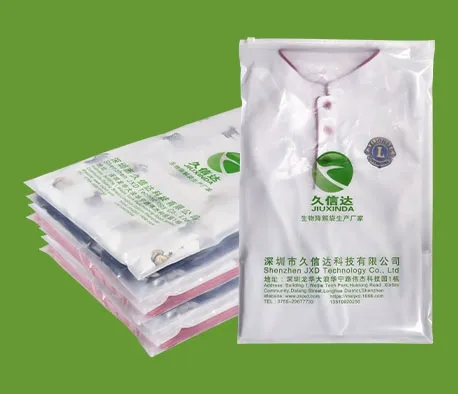
Choosing the right biodegradable plastic bags manufacturer is a comprehensive evaluation of customization matching, technical rationality, quality stability and delivery reliability. By providing complete customization information, abiding by degradable packaging technical rules, verifying standardized quality control systems, and confirming stable delivery capabilities, businesses can avoid common procurement pitfalls. A professional and reliable manufacturer can not only provide high-quality customized biodegradable packaging that meets environmental standards, but also stabilize your supply chain and help your business build a responsible, eco-friendly brand image in the competitive market.
BUYER QUESTIONS