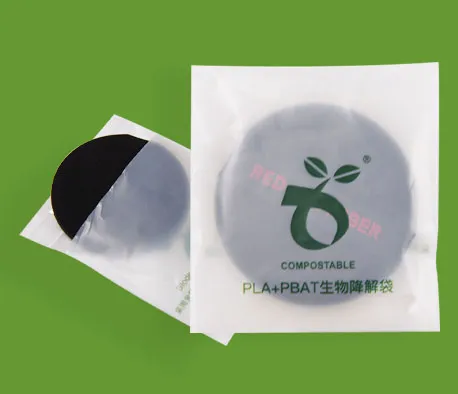
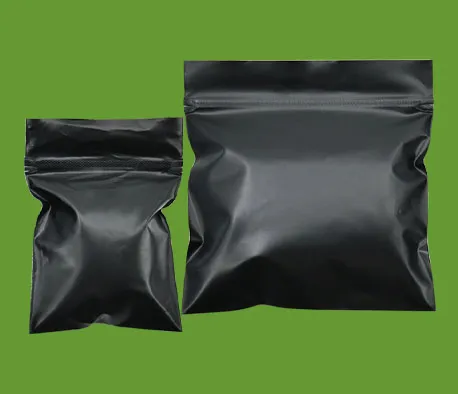
As green consumption and global plastic restriction policies continue to reshape the packaging industry, partnering with a qualified biodegradable bags manufacturer has become a core part of brand procurement strategies. For brand buyers, biodegradable packaging is no longer a simple environmental upgrade—it affects market compliance, product shipment stability, brand reputation, and long-term cost control. Many brands encounter common sourcing troubles: manufacturers fail to deliver on time, customized products do not match actual usage, unqualified degradation quality leads to market penalties, or communication gaps cause repeated revisions. Unlike ordinary plastic packaging procurement, biodegradable bag sourcing requires stricter verification on qualification, customization logic, production management and delivery capability. This article shares practical, buyer-oriented selection tips to help brands lock in reliable long-term manufacturers.
Confirm Required Customization Information to Match Brand and Product Needs
Smooth customization cooperation starts with complete and standardized demand information. Many inefficient communications and defective finished products stem from buyers’ unclear demand briefing in the early stage. When cooperating with biodegradable bag manufacturers, buyers must sort out standardized customization information in advance to ensure the manufacturer delivers targeted solutions rather than generic products.
First, clarify product application parameters, including the specific packaged goods, product weight, required bag size, thickness, waterproof and bearing standards, as well as sales scenarios (retail packaging, shipping packaging, food contact use or daily commodity outer packaging). Second, prepare brand design materials, including vector logos, official CMYK color codes, fixed text content, warning labels and printing position requirements. Third, confirm functional customization needs, such as anti-slip surface, easy-tear design, reinforced bottom sealing, home compostable or industrial compostable attributes. Finally, clarify order quantity and batch demand to help manufacturers arrange raw material batching and production lines accurately. Complete information input avoids design deviation, sample rework and unnecessary communication costs, laying a foundation for high-quality customized biodegradable bags.
Audit Core Qualifications and Product Compliance to Avoid Market Risks
The biggest difference between biodegradable bag manufacturers and traditional packaging suppliers lies in environmental compliance credibility. Many small factories launch pseudo-degradable products without complete certifications, which will bring huge hidden risks to brands, including market removal, consumer complaints and greenwashing disputes. Therefore, qualification audit is the primary screening standard for buyers.
Reliable manufacturers must hold globally recognized valid certifications, including EU EN13432, US ASTM D6400 & BPI, and TÜV OK Compost certifications, covering both industrial and home composting scenarios to adapt to different regional market access rules. Buyers need to verify that the certification scope covers the actual ordered bag models and materials, instead of only checking certificate screenshots. Meanwhile, confirm that manufacturers adopt genuine PLA and PBAT biodegradable raw materials, and provide third-party test reports for degradation performance, food-grade safety and physical resistance. Strict compliance auditing ensures that your brand’s green packaging claims are credible, legal and market-validated.
Clarify Customization Rules and Technical Limits to Prevent Rework and Defects
Biodegradable materials have unique physical characteristics different from ordinary plastics, which means not all traditional plastic packaging processes are applicable. Many buyers blindly put forward over-customization requirements, resulting in unstable finished product quality, such as easy film breaking, unclear printing and poor sealing. Professional buyers need to understand the customization boundaries of biodegradable materials and cooperate with manufacturers for reasonable solution optimization.
In actual cooperation, buyers should communicate with manufacturers in advance about process feasibility. For example, ultra-thin biodegradable bags are not suitable for complex multi-color overprinting; high-load packaging needs to adjust material formula and thicken the structure instead of relying solely on process improvement; food-grade degradable packaging cannot use partial special matte processes that may cause residue. In addition, confirm the manufacturer’s pre-production proofing mechanism: formal suppliers will provide physical samples for tensile test, leakage test and degradation effect verification before mass production. This step effectively avoids batch defective products caused by unreasonable customization schemes and ensures the packaging balances beauty, functionality and stability.
Evaluate Production Capacity and Delivery Mechanism to Guarantee Shipment Stability
For brand procurement, stable delivery efficiency determines the smooth progress of product stocking, seasonal promotion and cross-border shipment. Many biodegradable bag orders are delayed not due to insufficient capacity, but due to manufacturers’ unreasonable production scheduling, raw material shortage and imperfect delivery management systems.
When selecting a manufacturer, buyers need to evaluate three core delivery indicators. First, check automated production equipment and daily output capacity to confirm whether it can support your batch order demand and peak order expansion. Second, verify the raw material reserve system: mature manufacturers maintain stable stock of biodegradable raw materials to avoid production suspension caused by material price fluctuations or supply shortages. Third, confirm the complete delivery process, including proofing cycle, mass production cycle, quality inspection waiting time and logistics arrangement. Reliable manufacturers will formulate exclusive production schedules, reserve buffer time for unexpected adjustments, and provide real-time order progress updates. Strict delivery capability evaluation helps brands eliminate the risk of delayed shipments and maintain stable market supply chains.
Conclusion
Choosing the right biodegradable bags manufacturer is a comprehensive assessment of demand matching, compliance credibility, technical capability and delivery stability, rather than a simple price comparison. By sorting out complete customization information, auditing authoritative compliance qualifications, standardizing reasonable customization demands, and verifying production and delivery capabilities, brands can filter out professional and reliable long-term suppliers. A qualified biodegradable bag manufacturer is not only a packaging supplier, but also a reliable partner for brand green upgrading, helping brands achieve compliant operation, image improvement and sustainable market development.
BUYER QUESTIONS